


Regional Highlights
Journey across Japan's regions — from snowy Hokkaido to subtropical Okinawa — and discover dishes that reflect each area's unique culture and flavors.
Regional Introduction
Japan’s food culture reflects distinct geographical forces. The convergence of the Kuroshio and Oyashio ocean currents creates nutrient-rich waters that sustain high-quality seafood, while sheltered inland seas support aquaculture and citrus cultivation. Alpine snowmelt feeds rice paddies and underpins premium sake brewing, alongside traditions of harvesting wild mountain vegetables. In southern regions, mineral-rich volcanic soil strengthens crops such as sweet potatoes and tea. Across the archipelago, climate and terrain directly shape the ingredients that define each region.
Featured Stories
Please use this option if you are operating the slider with a keyboard; it limits the slider's movement to ensure smooth browsing.
-
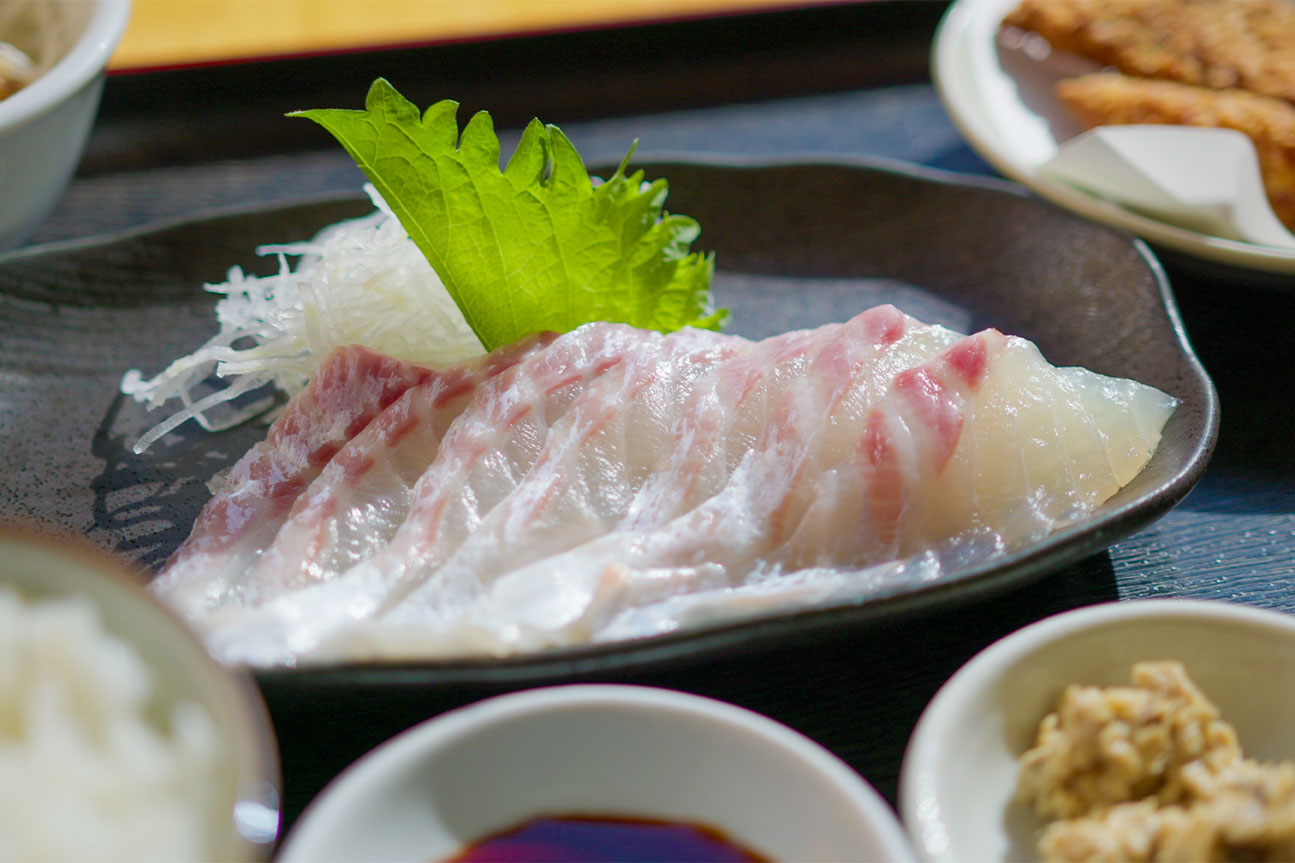
Why Ainan, Ehime, Is Ideal For Sea Bream
 Read more
 -
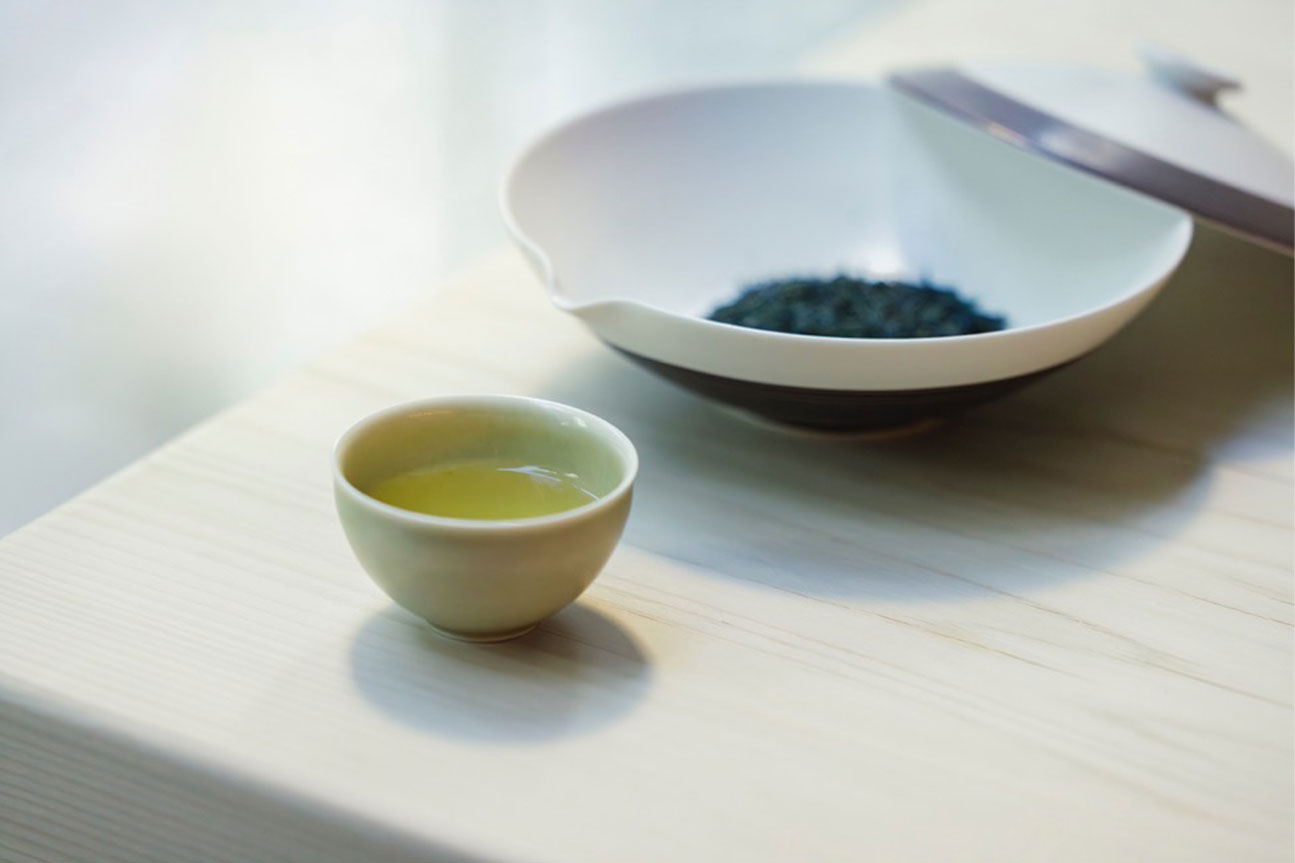
Discovering the Delights of Yamecha with Per Oscar Brekell
 Read more
 -
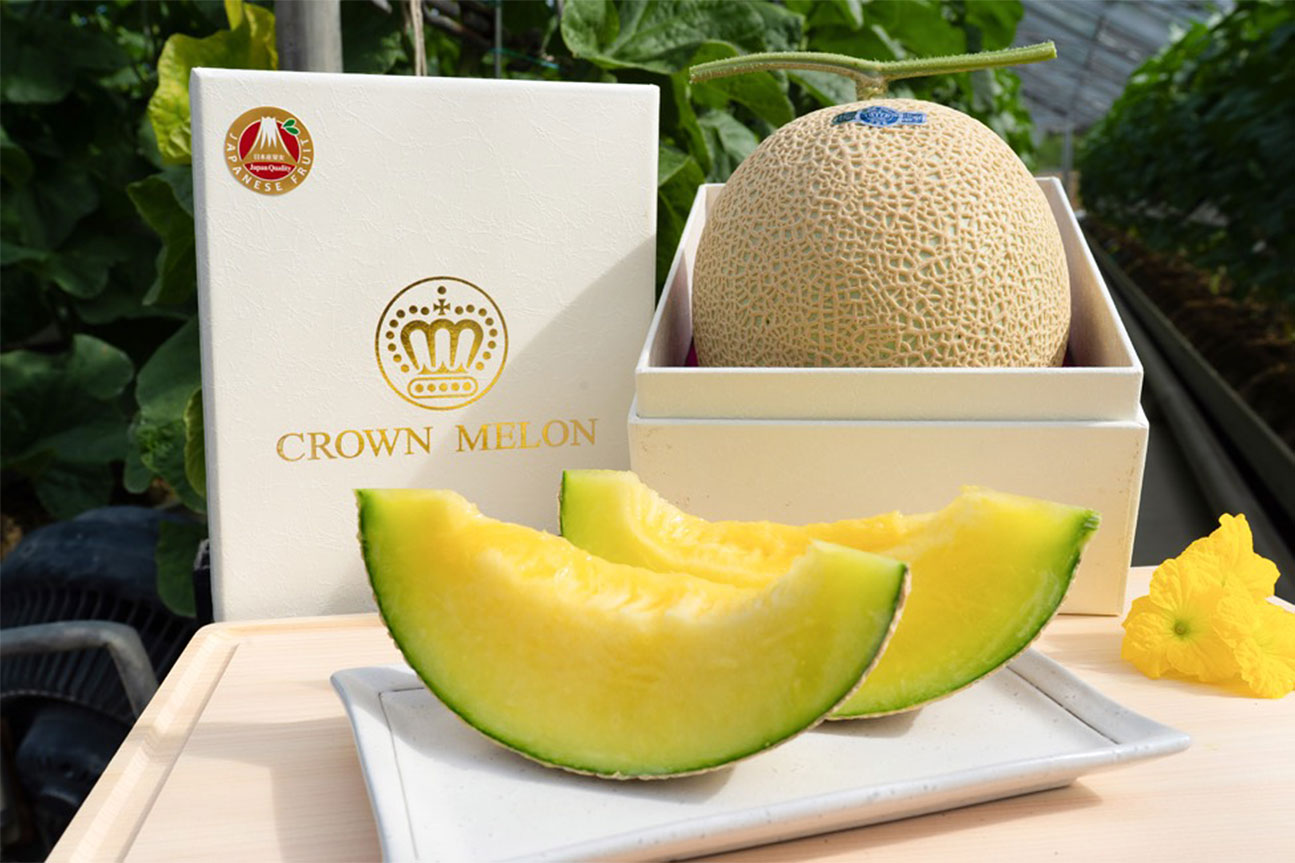
Crown Melon - The Luxury of One Vine, One Fruit
 Read more
 -
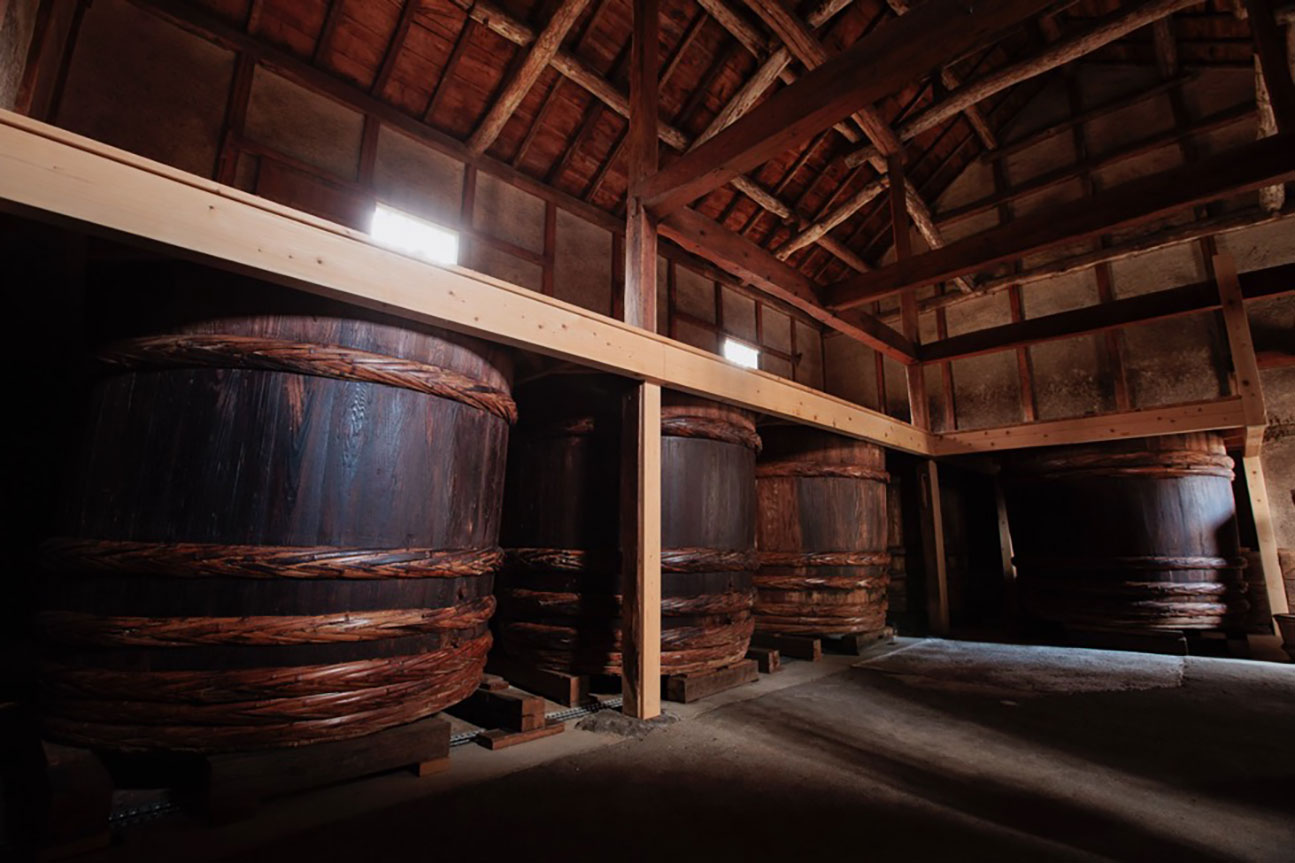
Miso and More: How Fermentation Made Nagano the Land of Longevity
 Read more
 -
Wakayama’s Sweet Season: Kaki Culture on the Slopes of Koyasan
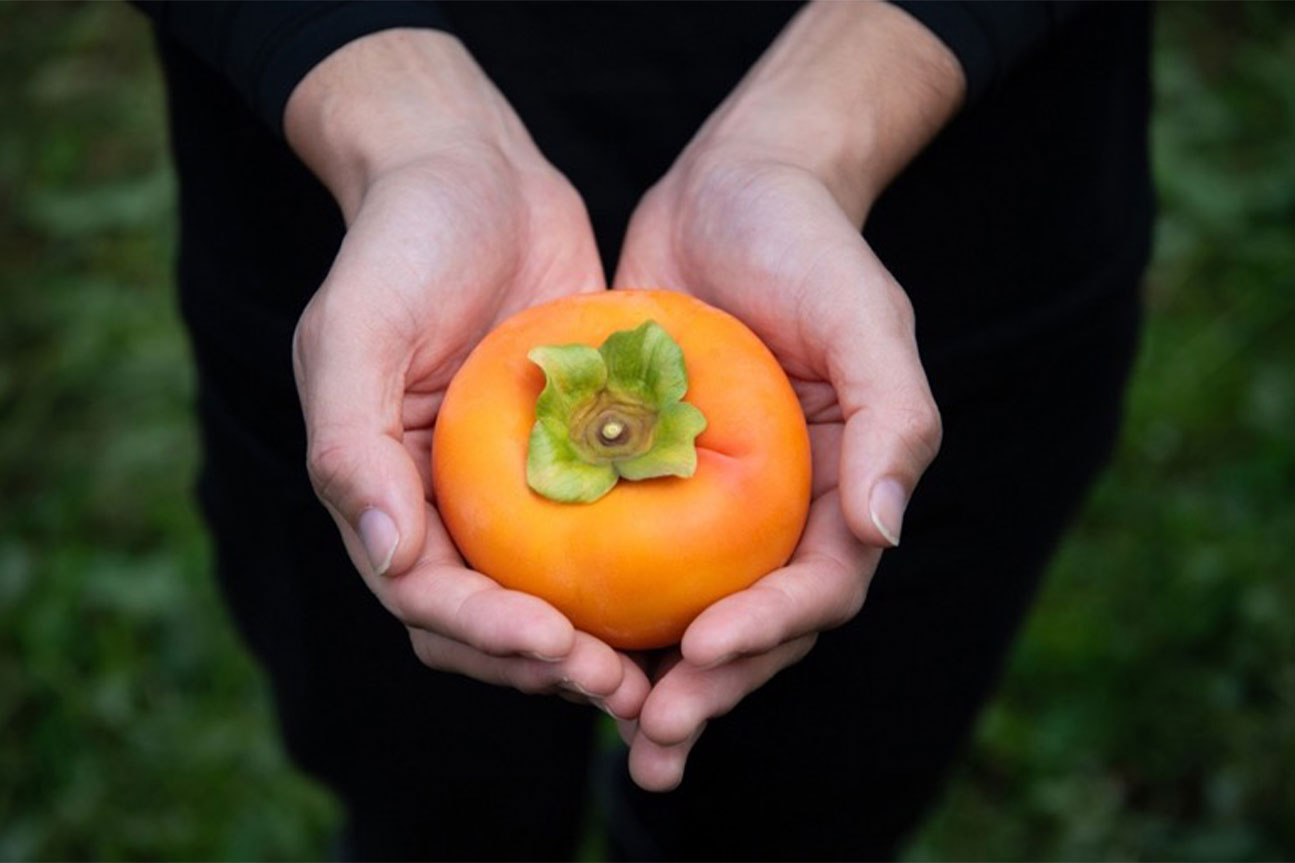 Read more
 -
Fresh, Fermented, or in a Pie: The Apples of Aomori
 Read more
 -
Shizuoka Wasabi: Discovering the Wonders of the “Real Thing”
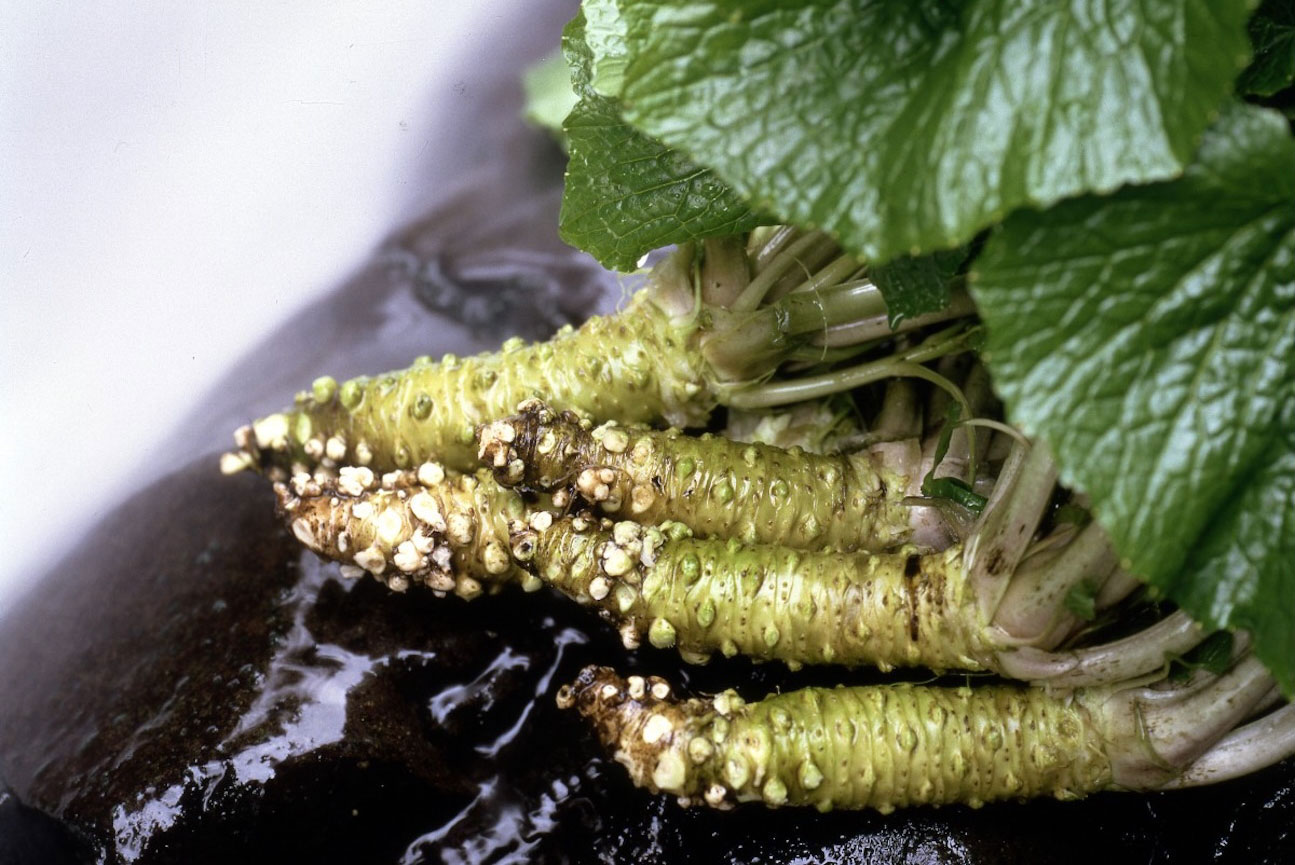 Read more
 -
Toast of the Town: Yatai Culture in Fukuoka
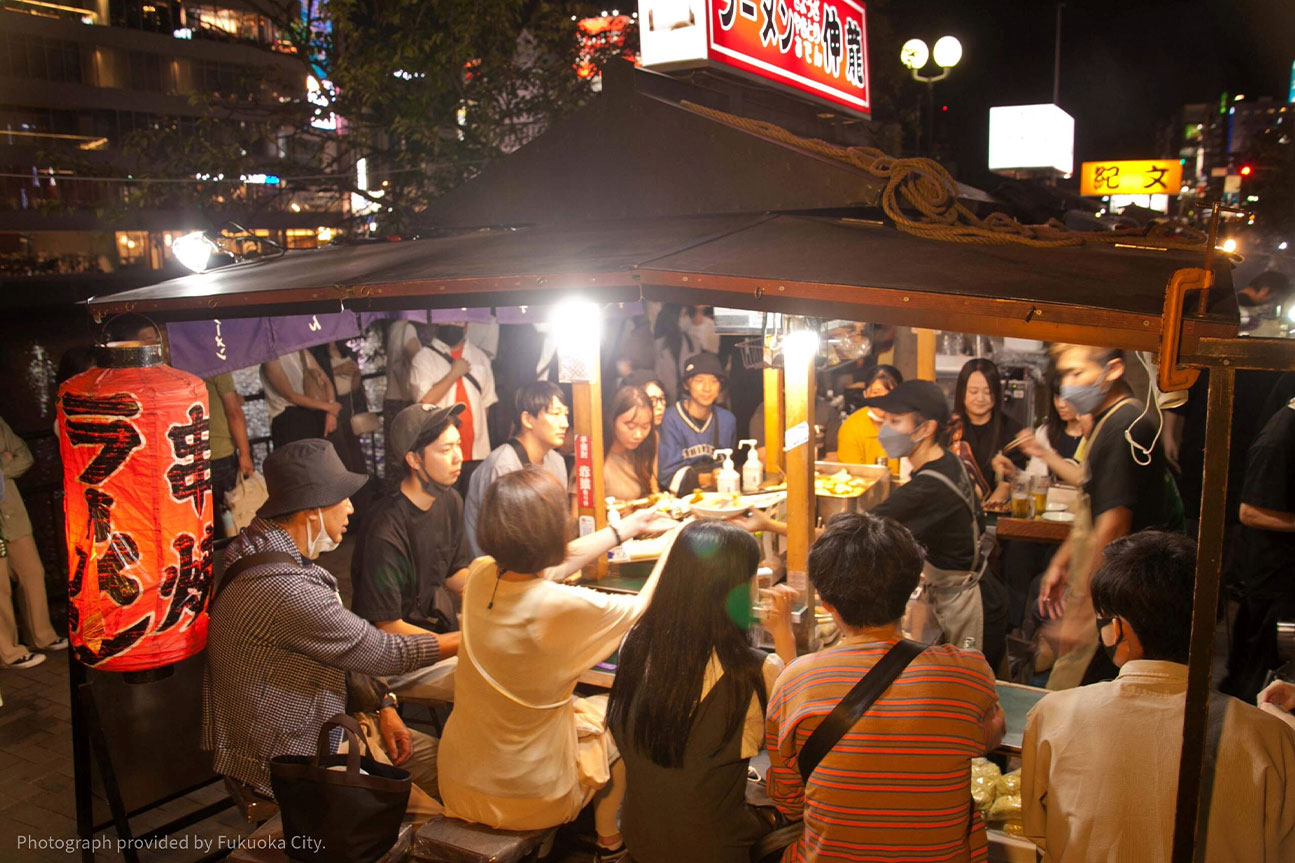 Read more

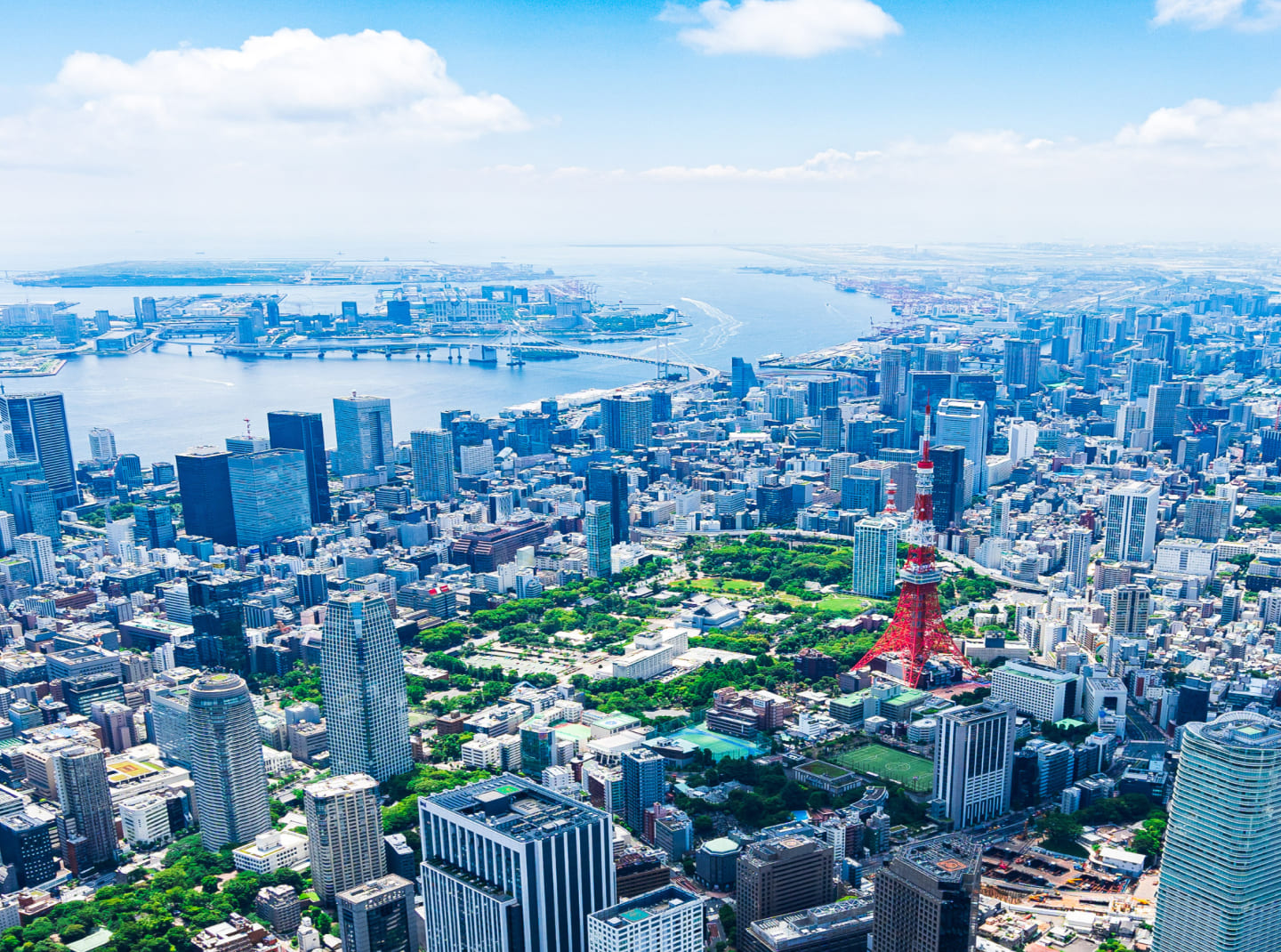
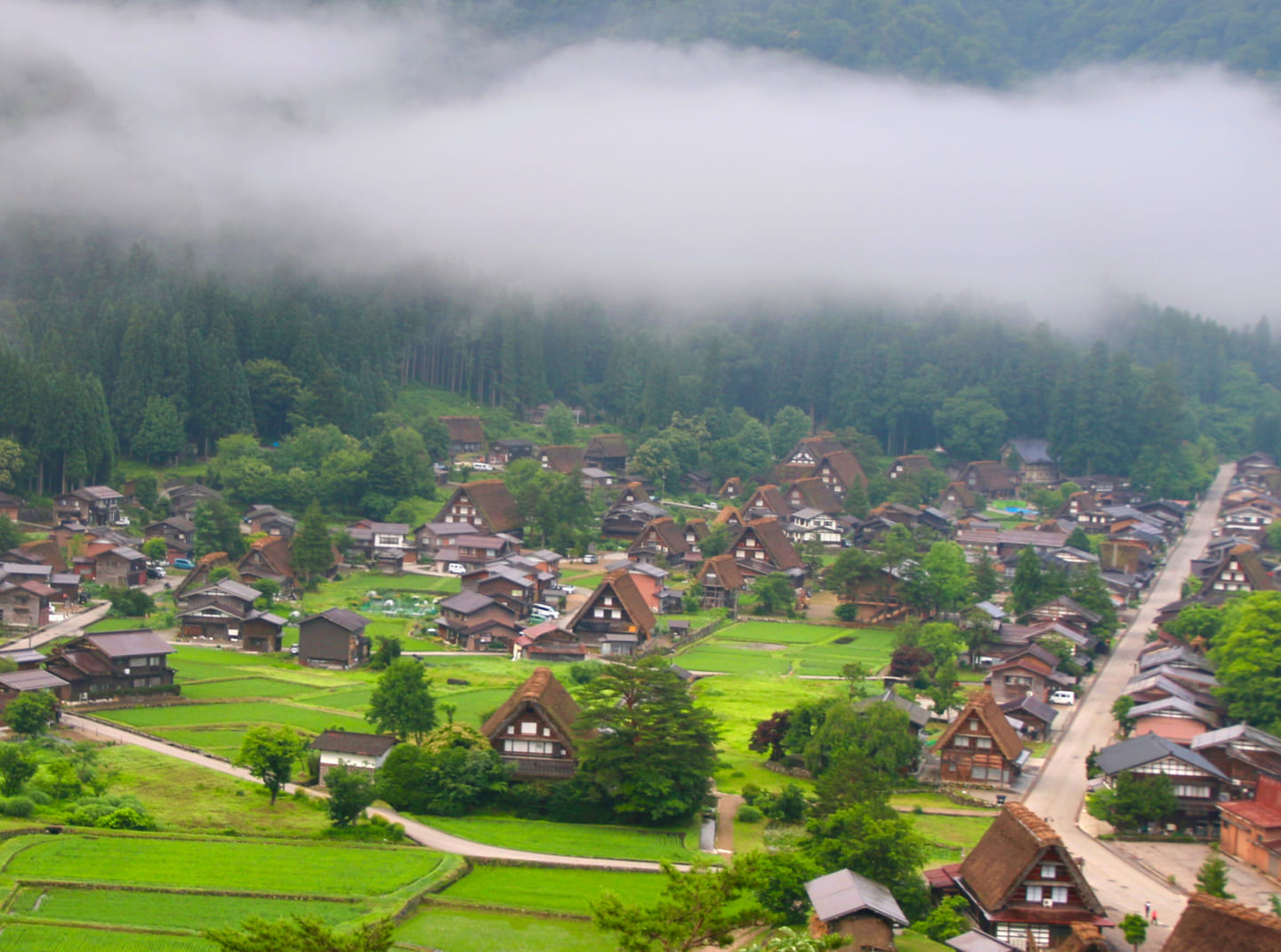
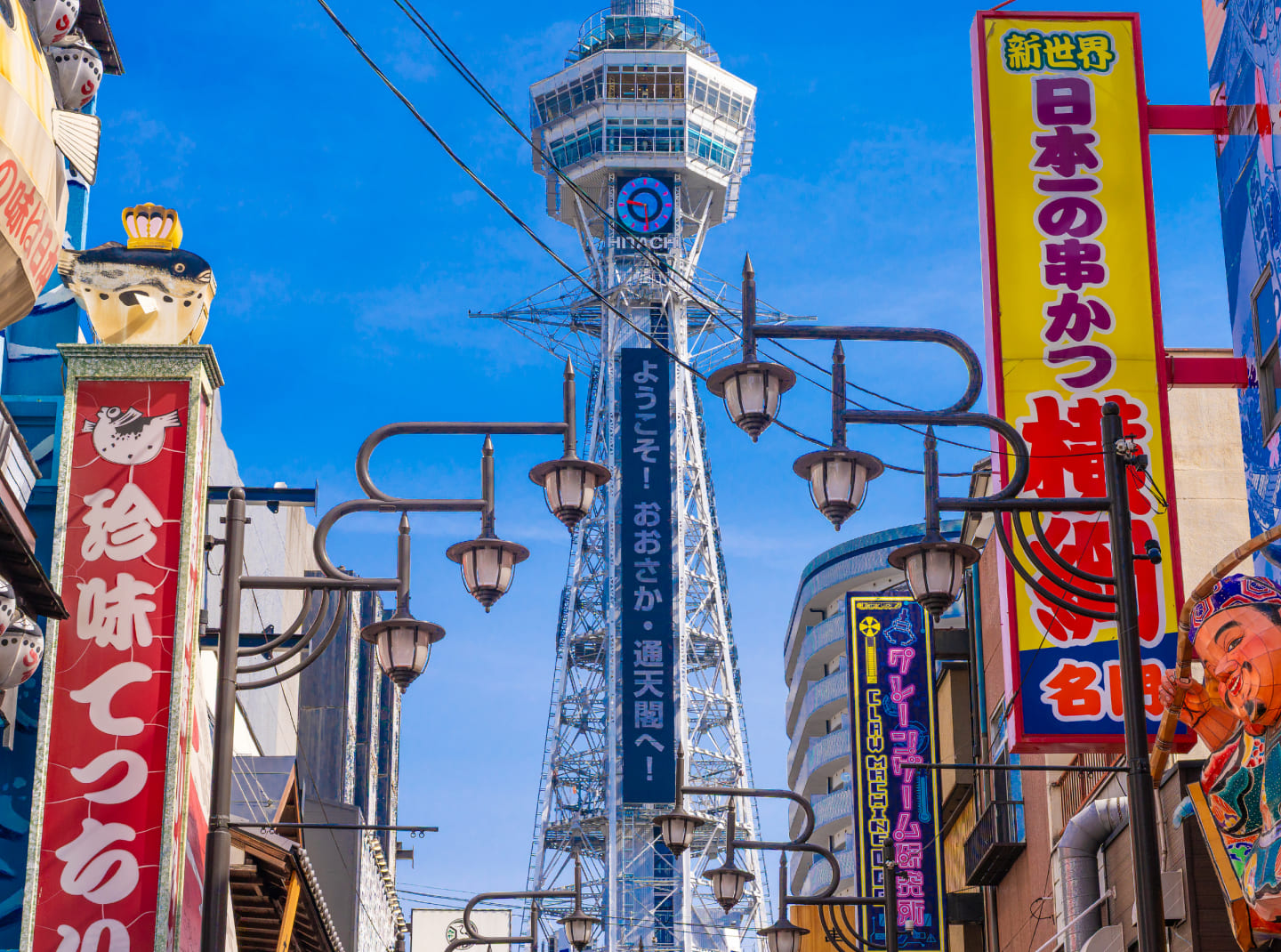
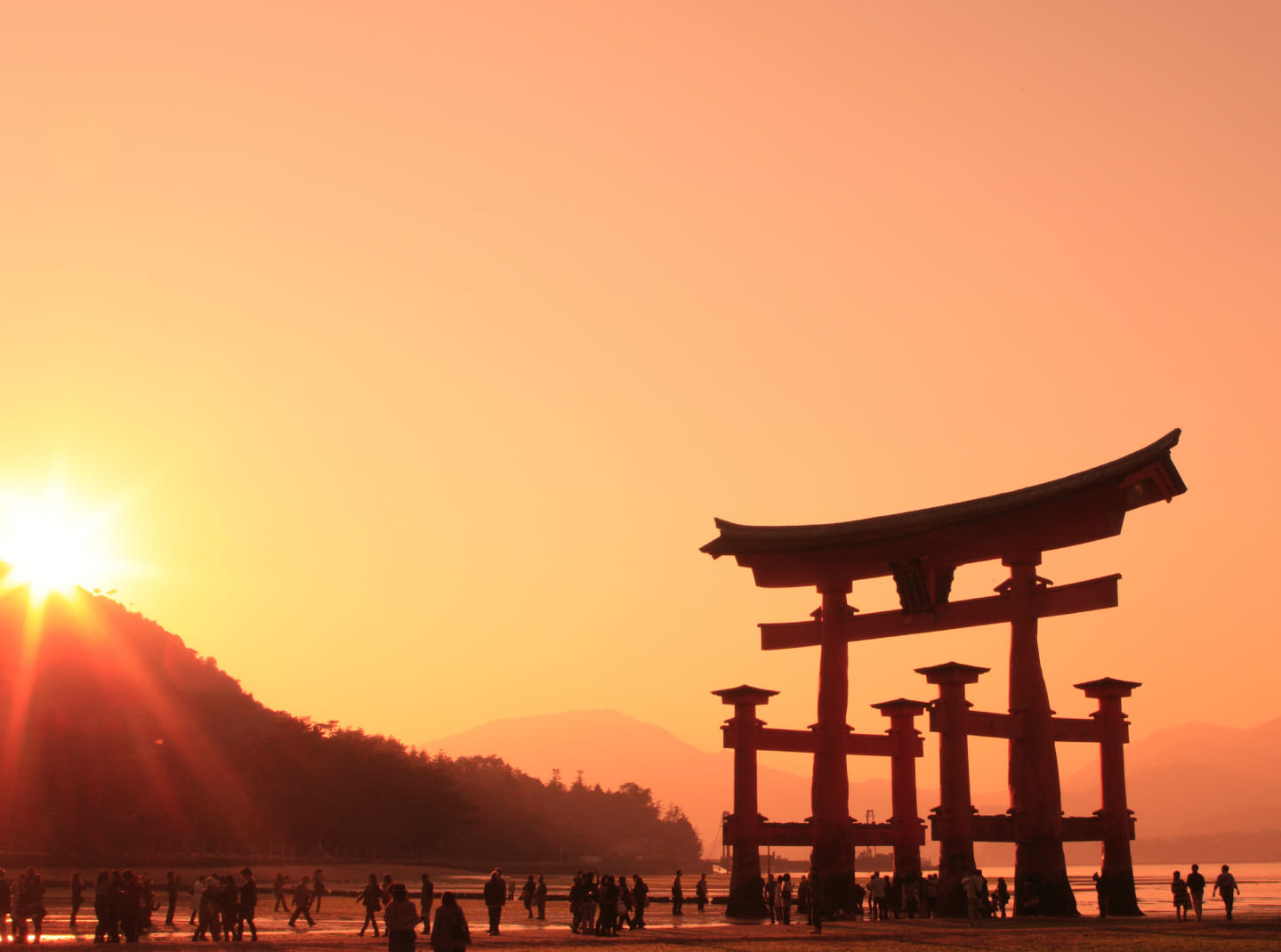
Regions
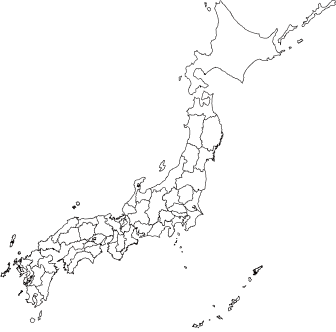
Click a region below to explore Japan’s culinary diversity, from northern seas to subtropical island climates.
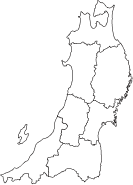
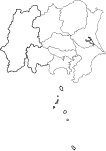
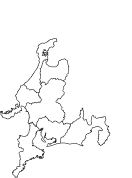

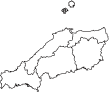




Hokkaido
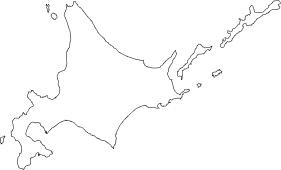
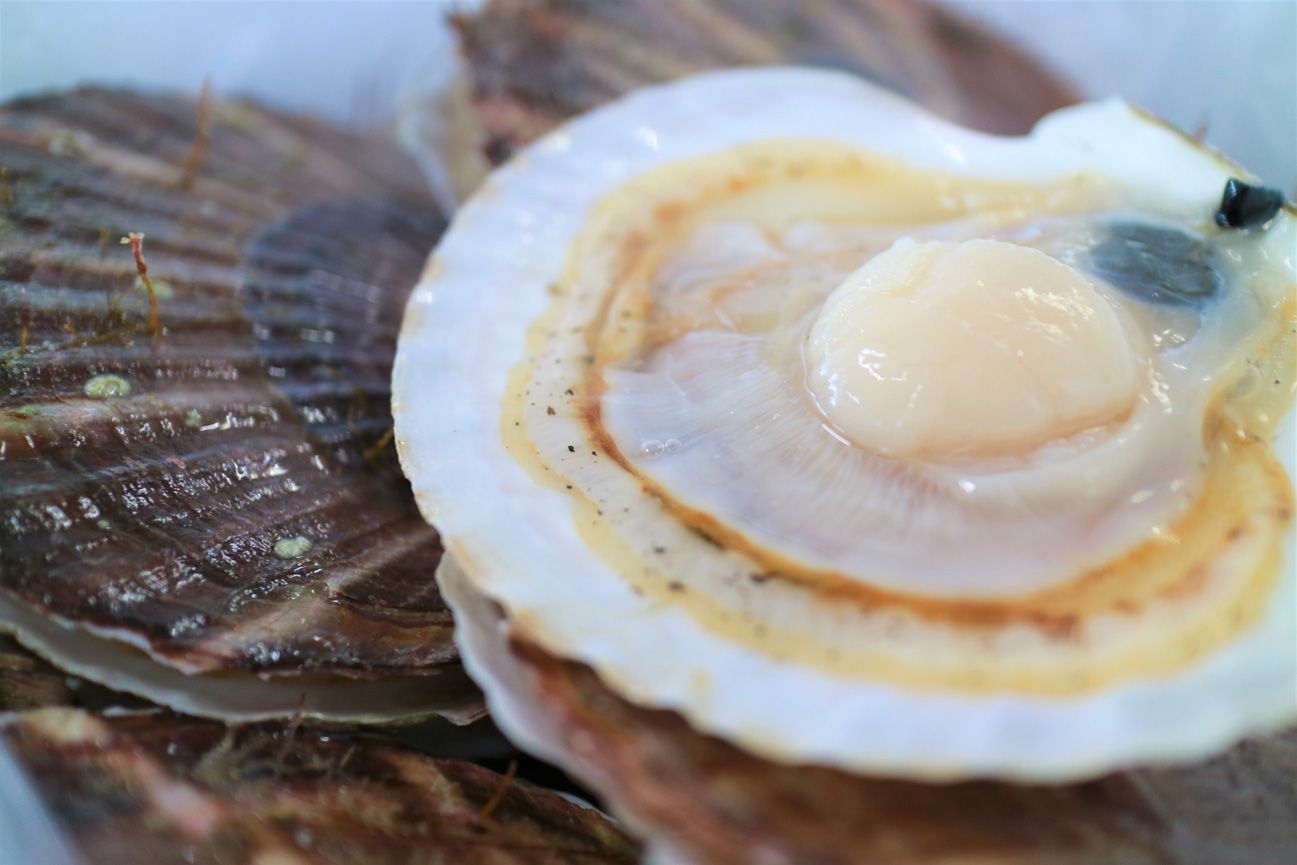
Japan's most productive agricultural region, where expansive land and cold clean air yield extraordinary food.

Tohoku
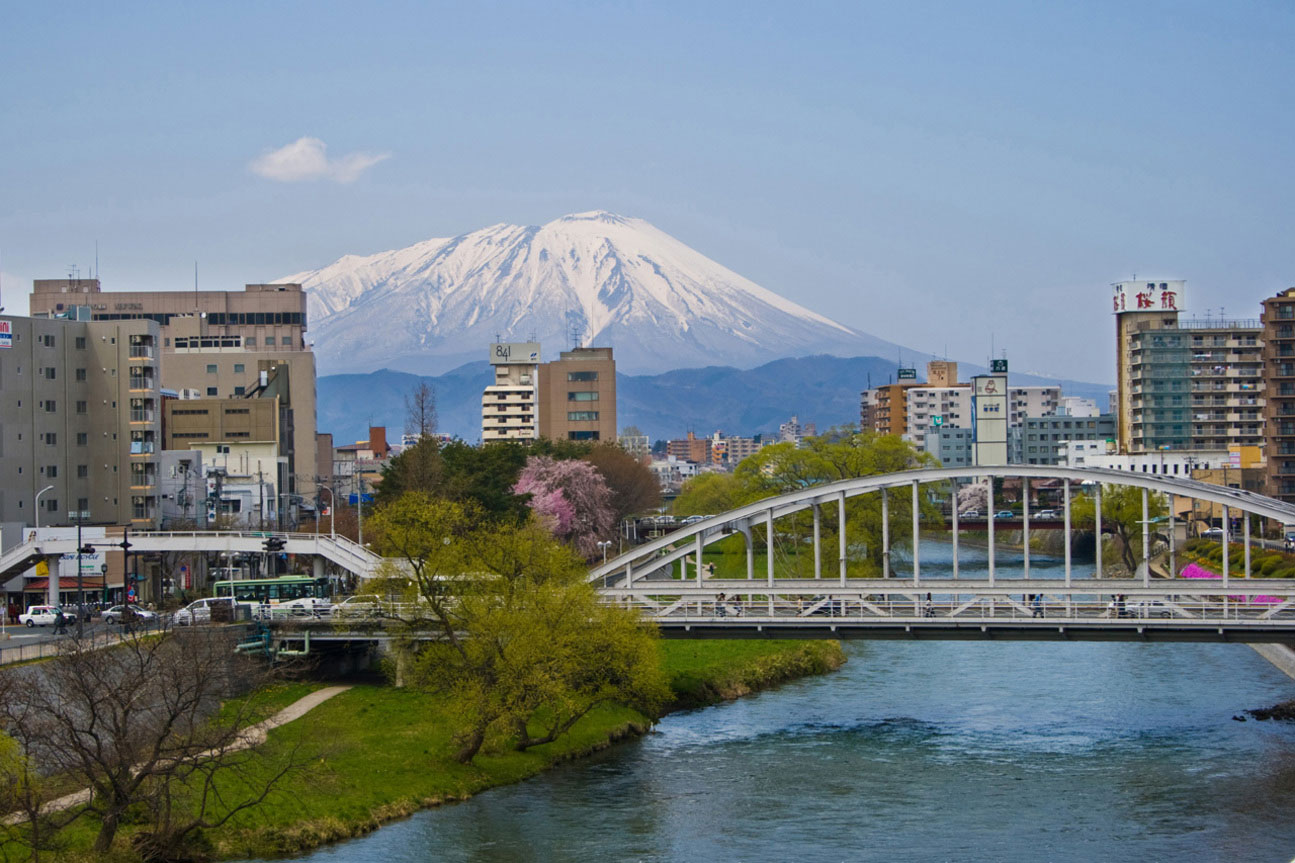
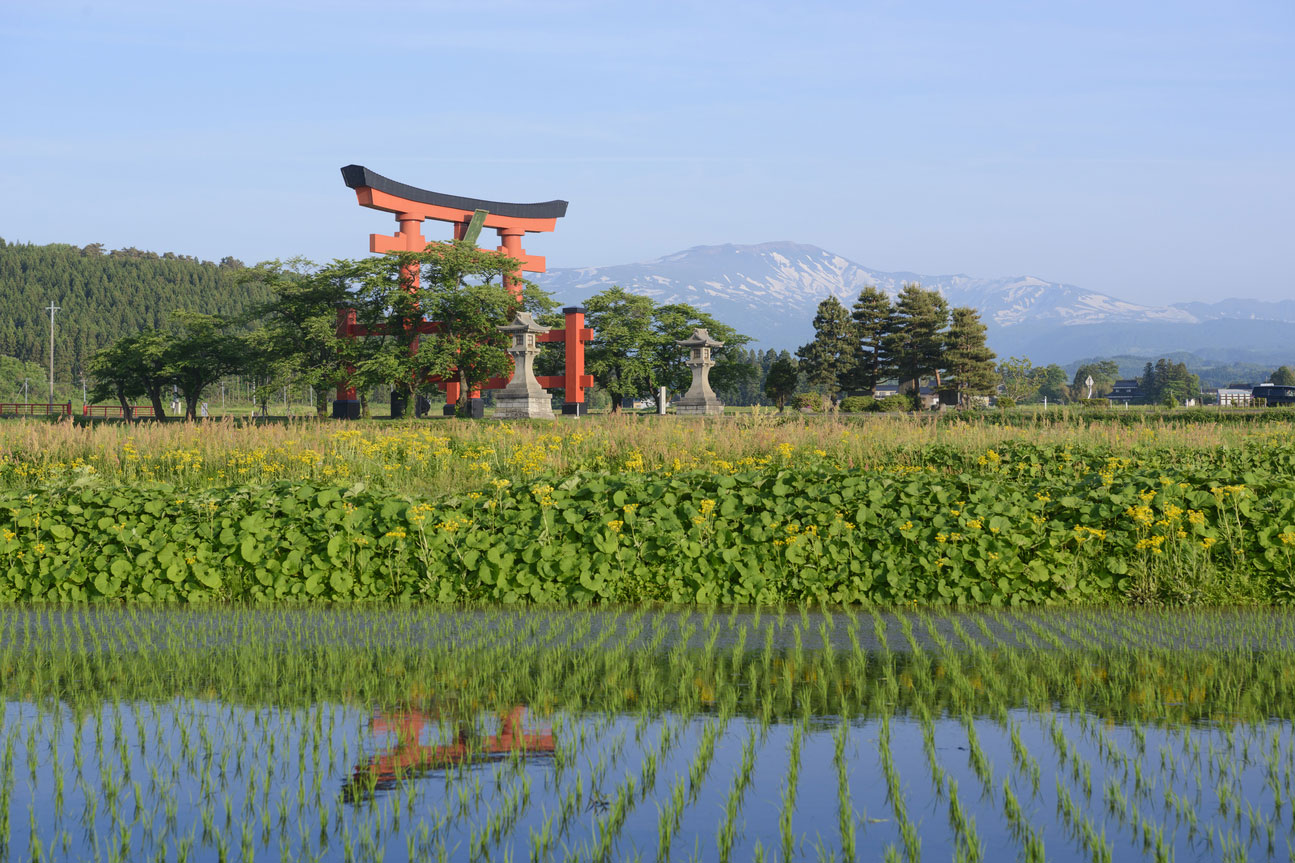
Defined by heavy snowfall and pristine meltwater, Tohoku's mountains and plains shape a rich food culture.

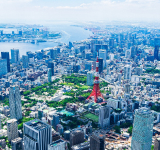
Kanto/Koshin
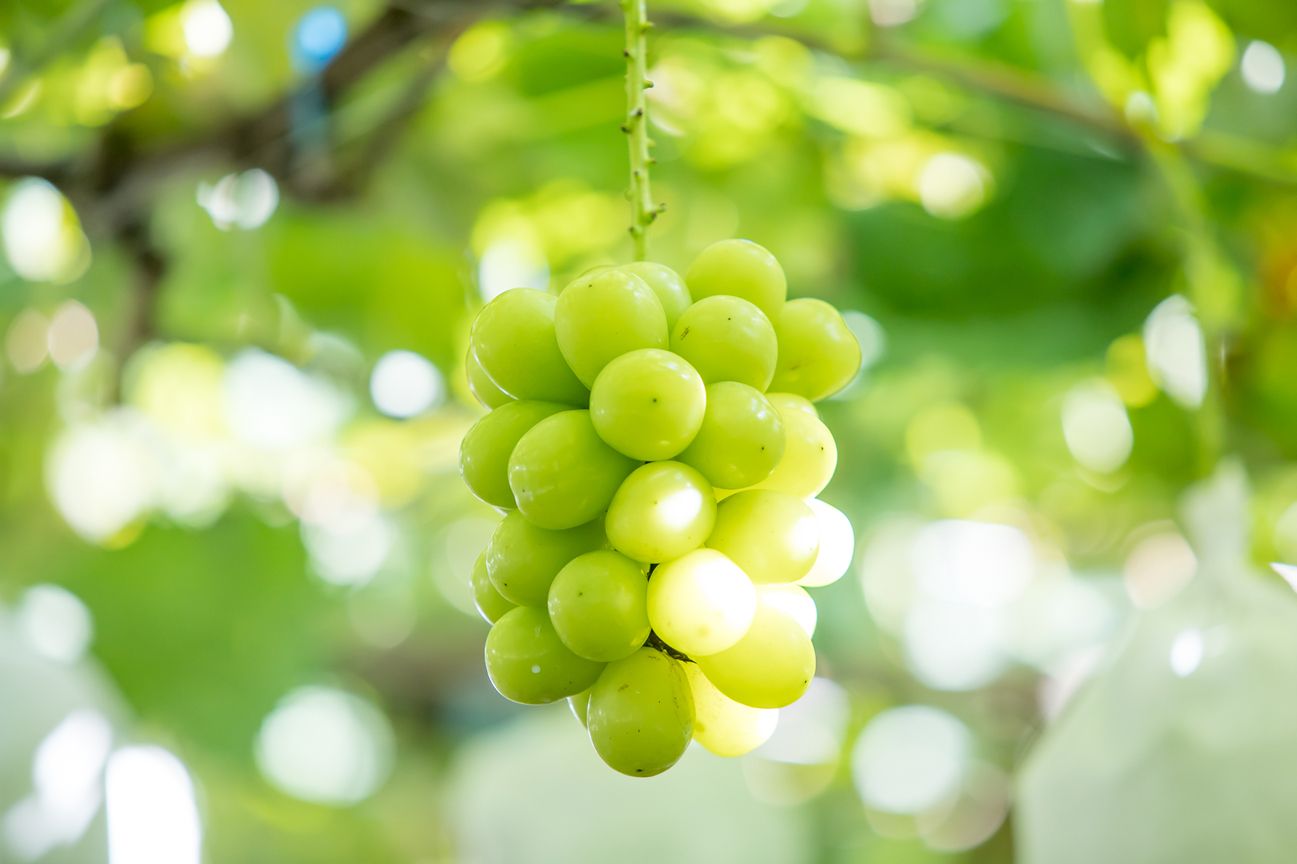
Where Edo heritage meets fertile plains and mountain agriculture, this region balances innovation with tradition.
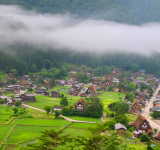
Chubu/Hokuriku
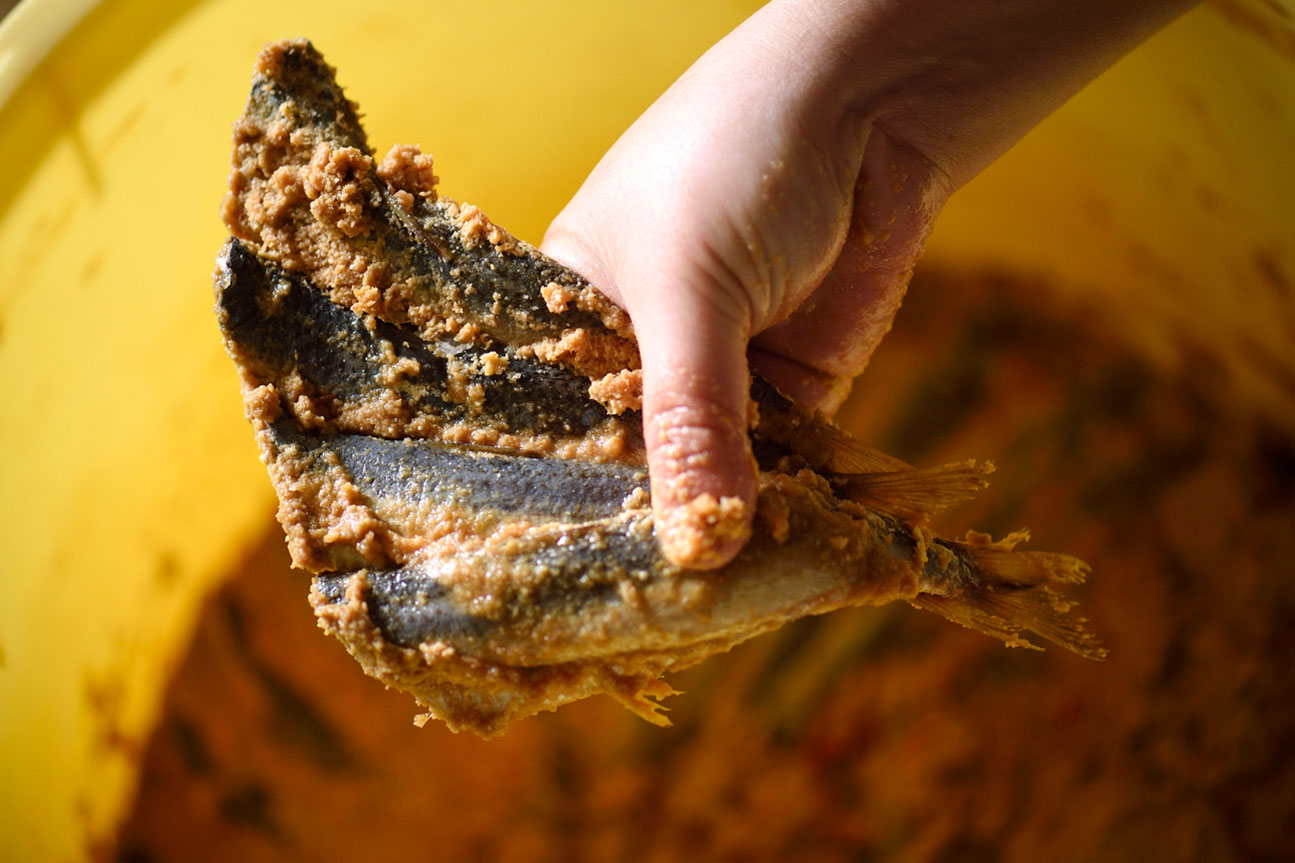
From alpine waters to the Sea of Japan, diverse environments yield prized seafood and distinctive regional produce.
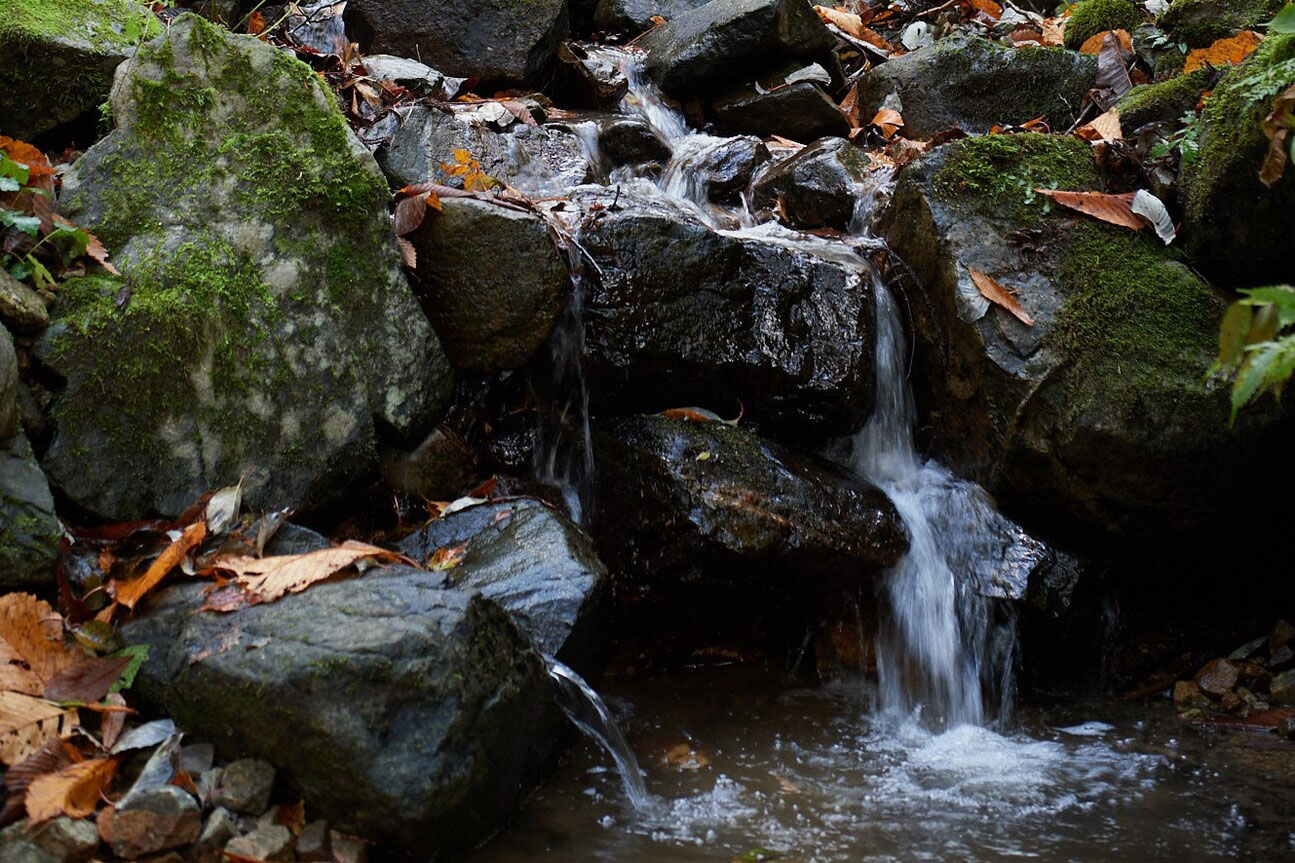
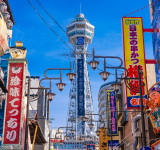
Kansai
The historic “Kitchen of Japan,” Kansai showcases refined culinary craftsmanship and a deep-rooted dashi culture.
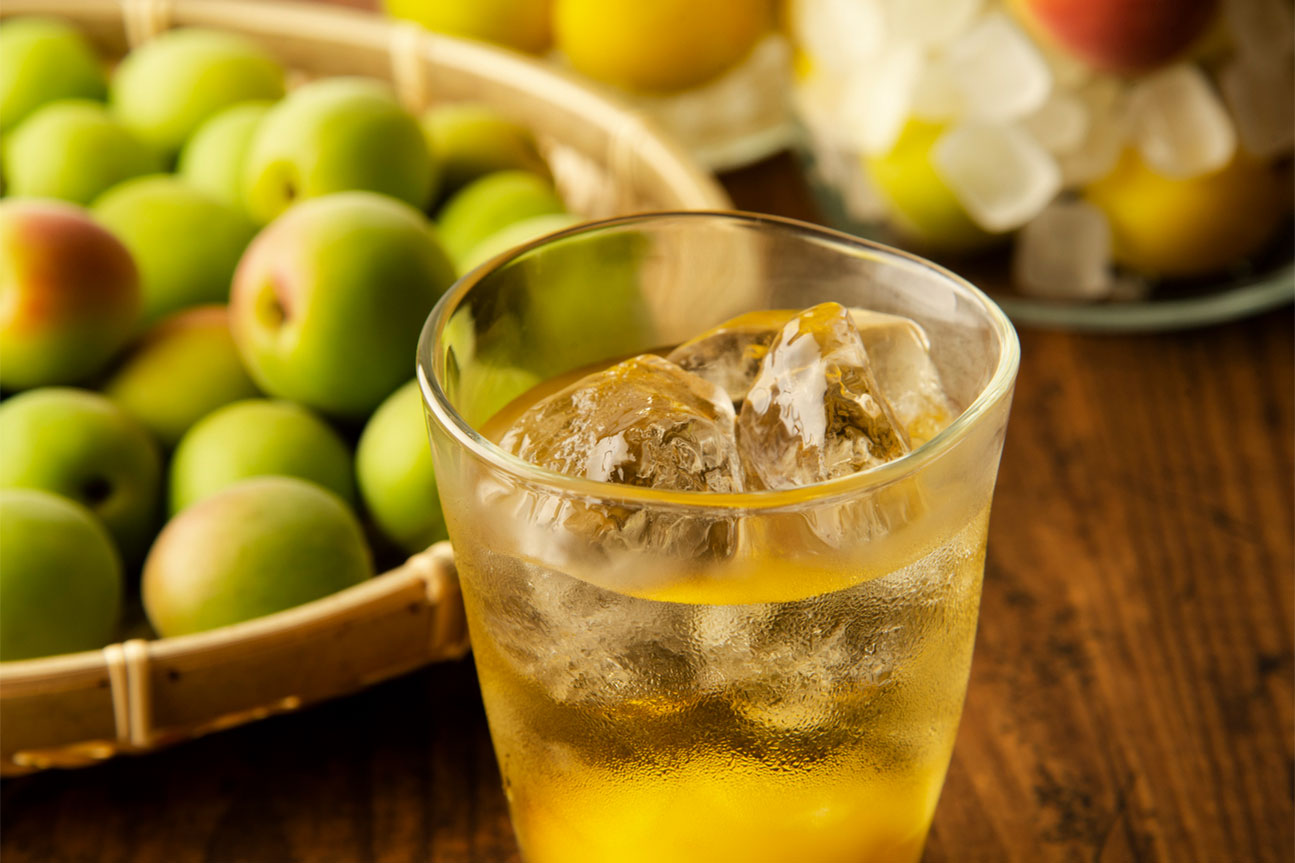

Chugoku
Bordering the Seto Inland Sea, Chugoku delivers premium oysters, quality fruit, and a balanced coastal harvest.
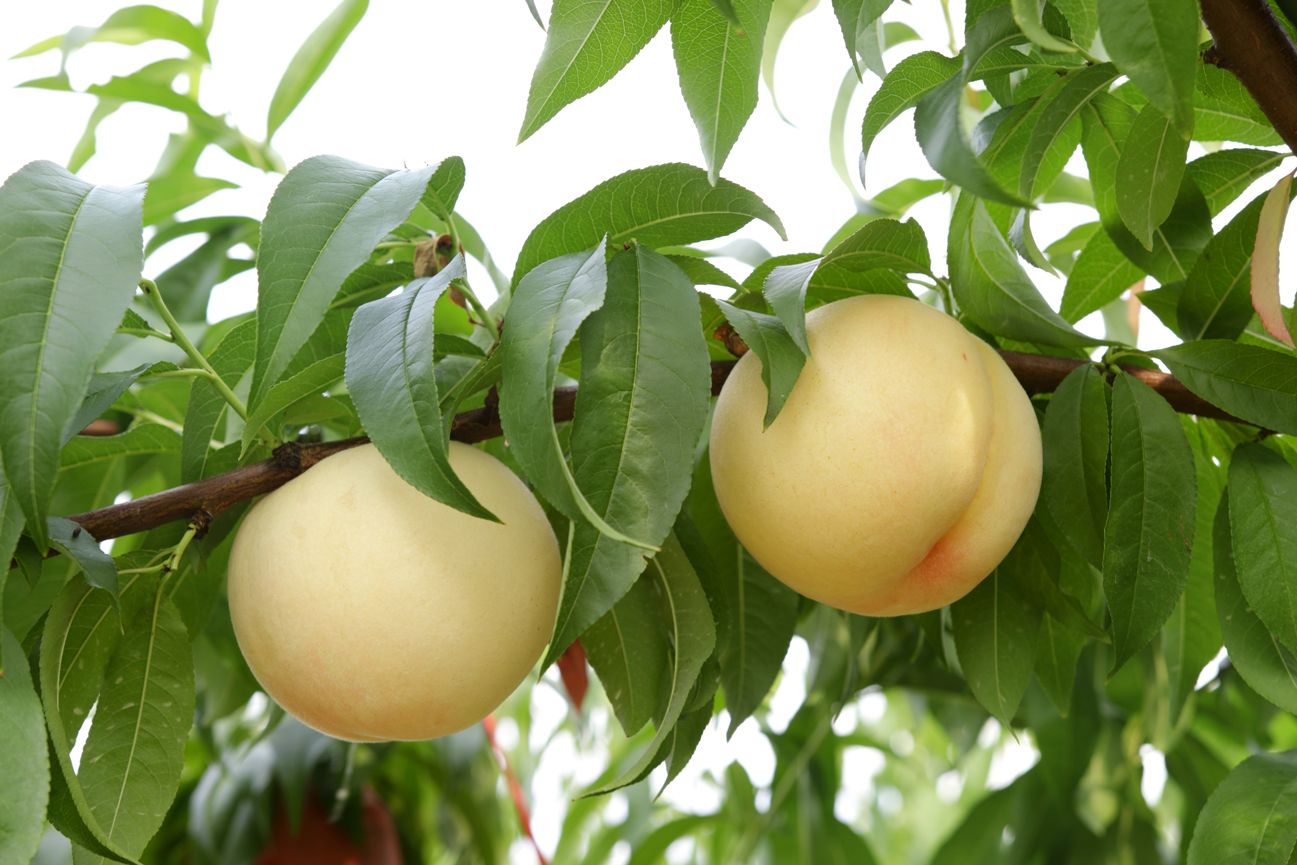
Shikoku
With abundant citrus groves and coastal fisheries, Shikoku is known for udon, yuzu, and artisanal soy sauce.
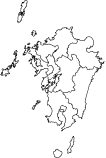
Kyushu/Okinawa
Volcanic soil and subtropical climates shape bold flavors, from tonkotsu ramen to sweet potatoes and shochu.
Please use this option if you are operating the slider with a keyboard; it limits the slider's movement to ensure smooth browsing.
-
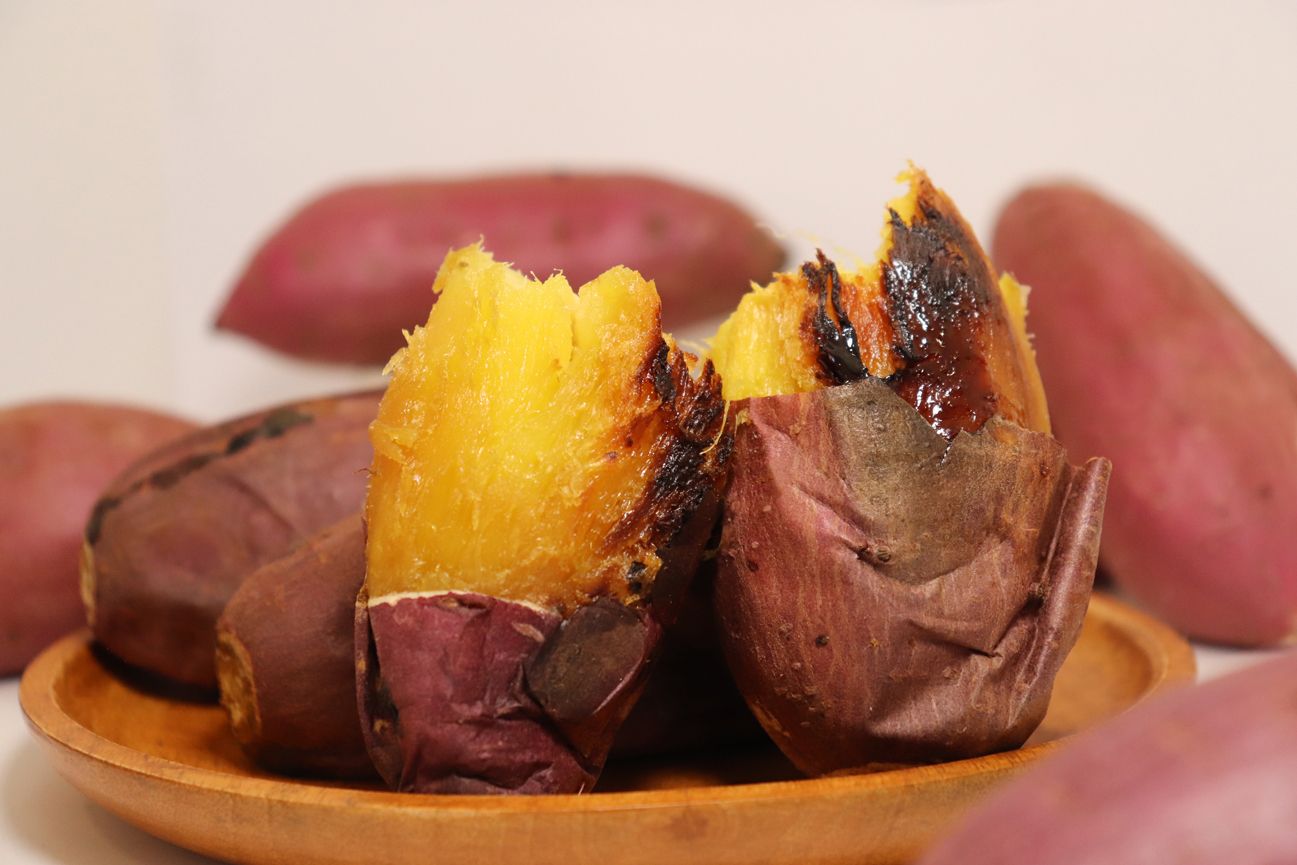
Sweet potatoes are being shipped from Miyazaki to all around the world. What makes them so enticing is the sheer number of varieties of sweetness and textures!
 Read more
 -
Toast of the Town: Yatai Culture in Fukuoka
Read more -
Where Hot Springs Meet Farm-to-Table: Enowa Botanical Retreat, Yufuin
 Read more
 -
Discovering the Delights of Yamecha with Per Oscar Brekell
Read more