Discover Japanese Cuisine
Meat Dishes
The Ultimate Guide to Authentic Japanese Wagyu: A Masterpiece of Flavor
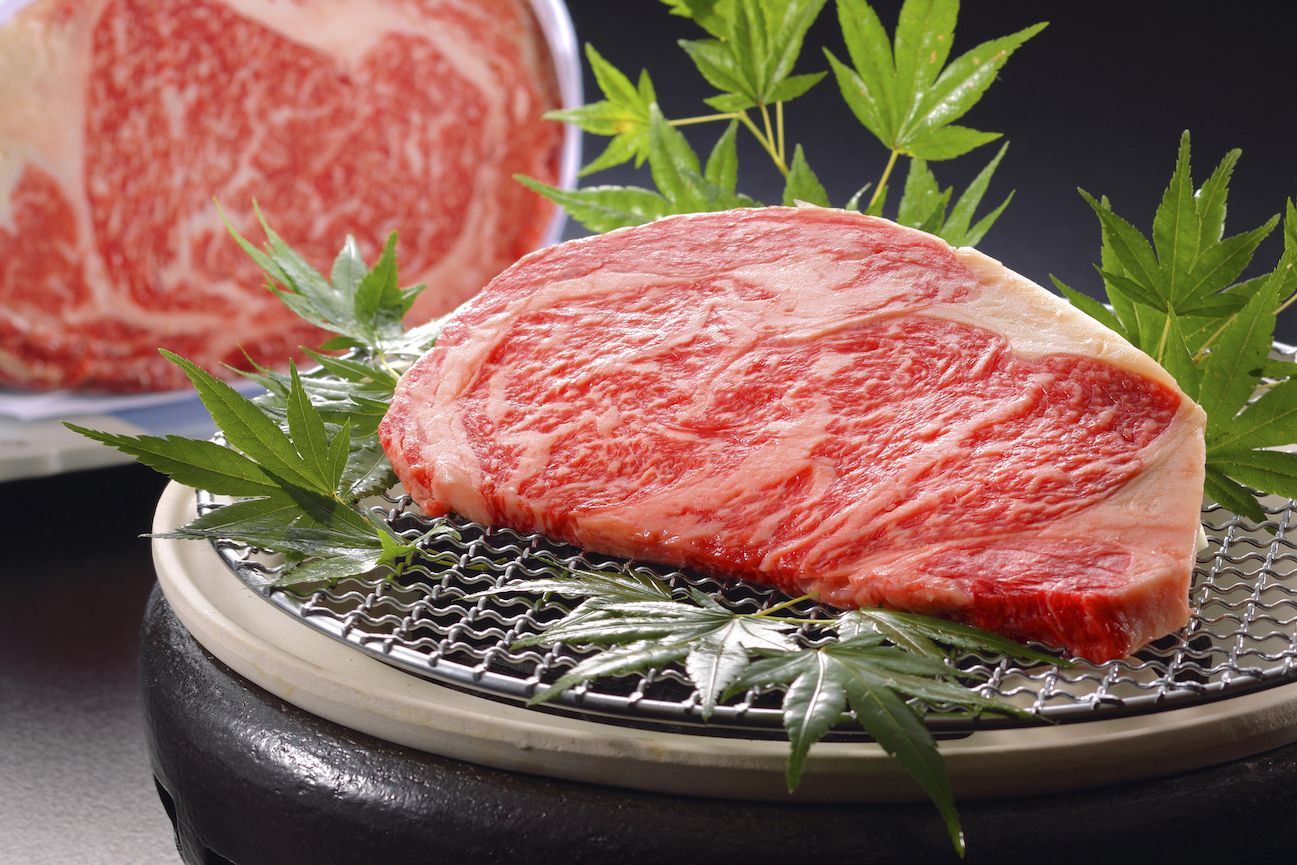
Not all Wagyu is created equal. Behind its legendary marbling lies a century of meticulous breeding, strict grading, and regional pride. From the world-famous Kobe beef to the rich umami of Matsusaka, discover what makes authentic Japanese Wagyu truly unlike anything else on earth.
The Crispy, Juicy, Deliciousness of Karaage
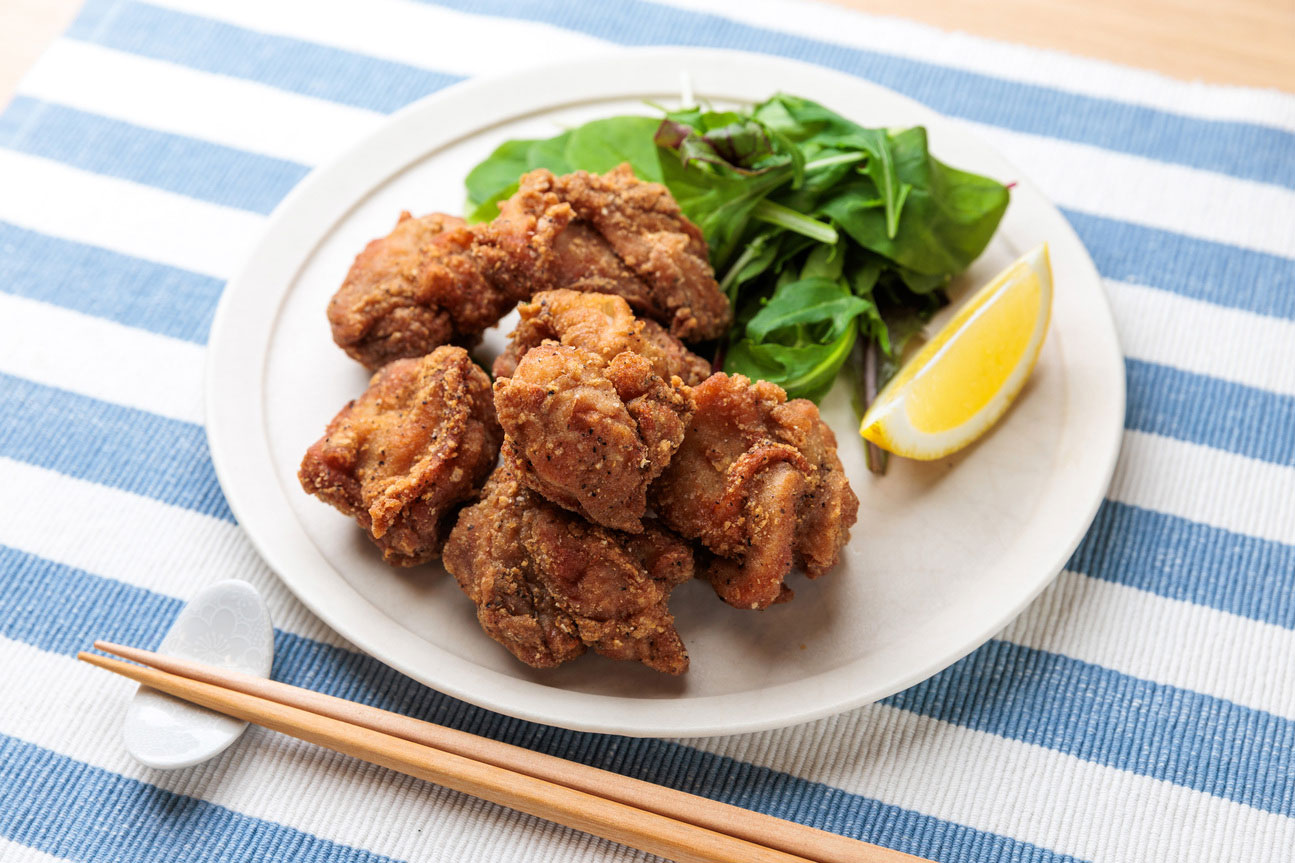
From backstreet diners to supermarket deli counters, karaage has earned its place as Japan’s ultimate comfort food. But what makes this golden, crispy fried chicken so irresistible? Discover the secret marinades, the award-winning techniques, and the city that calls itself the sacred land of fried chicken.
Why Tonkatsu Is So Delicious: Boutique Pork Brands in Japan
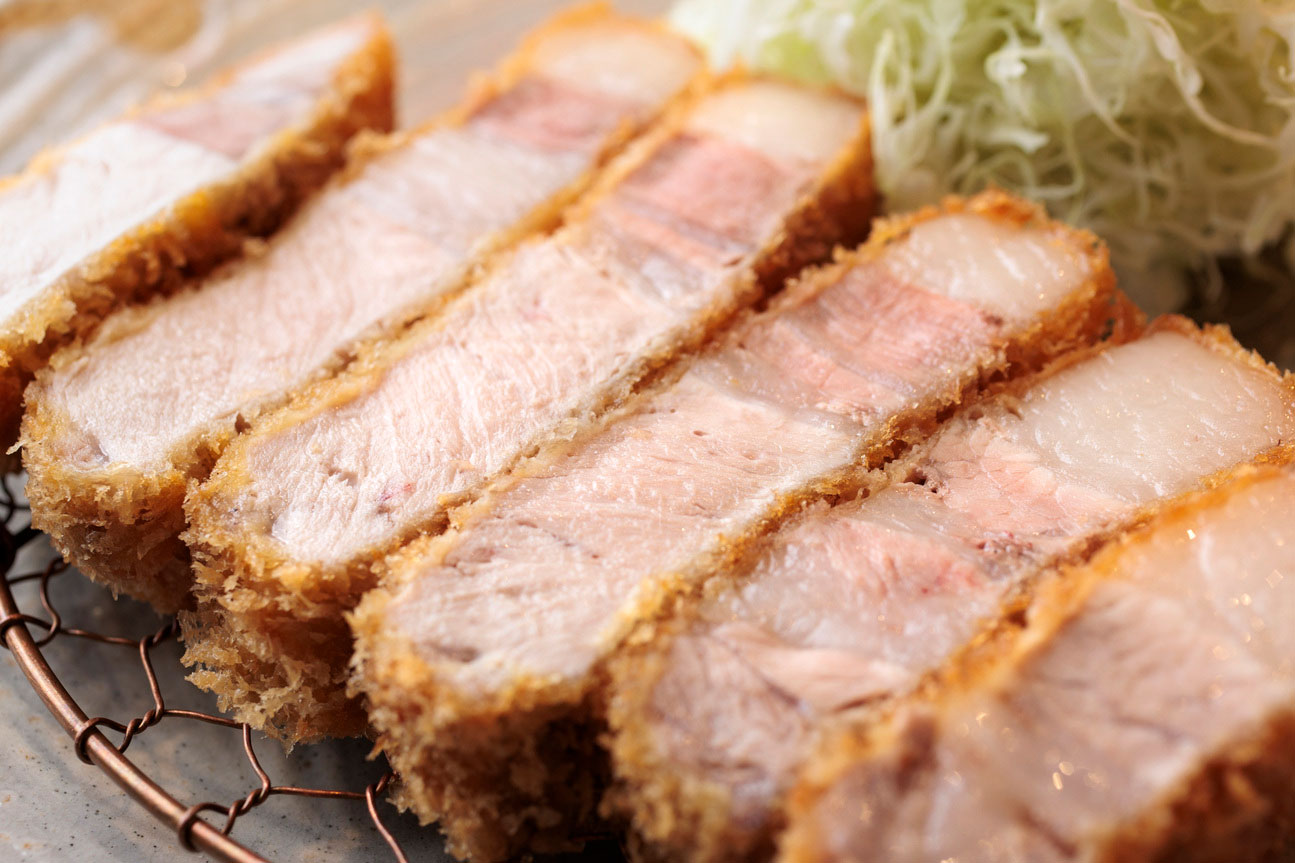
What makes Japan’s beloved tonkatsu so irresistibly juicy and tender? The secret lies in the pork itself. With over 800 boutique pork brands across Japan, each raised with a unique philosophy, discover how breed, environment, and feed come together to create the perfect bite.
Drinks and Dessert
Is Shochu Japan’s Next Big Thing? A Spirit for Everyone
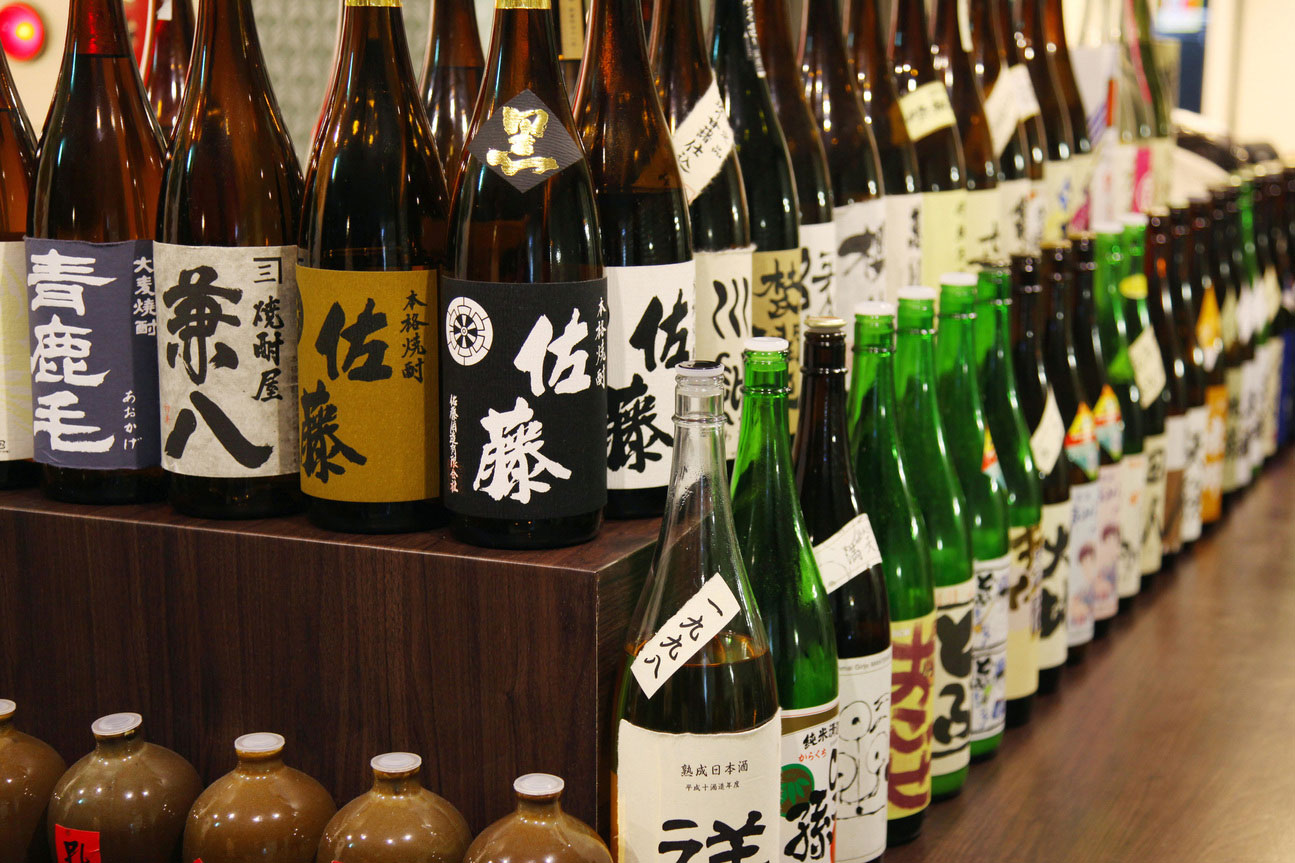
Sake and Japanese whisky have already conquered the world. Could shochu be next? Distilled from over 50 ingredients — from sweet potato to brown sugar — this ancient yet versatile Japanese spirit is finding fans worldwide. Discover why experts believe shochu’s finest hour is finally here.
Mastering Japanese Sake: A Connoisseur's Guide to Nihonshu
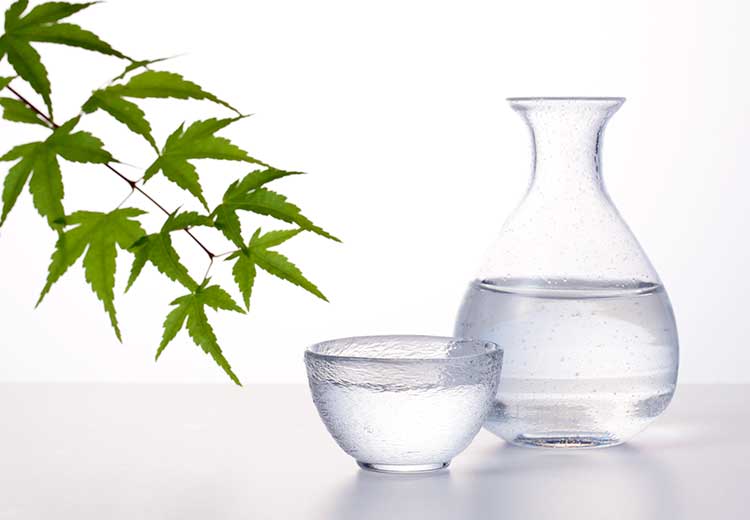
Refined over 2,500 years, Japanese sake is far more than just a drink — it is a masterpiece of microbial alchemy. From fruity Daiginjo to earthy Junmai, discover how rice, water, and koji unlock a world of flavor that has now captivated connoisseurs from Tokyo to New York.
Japanese Mochi – a Good Dessert Option for Singaporeans
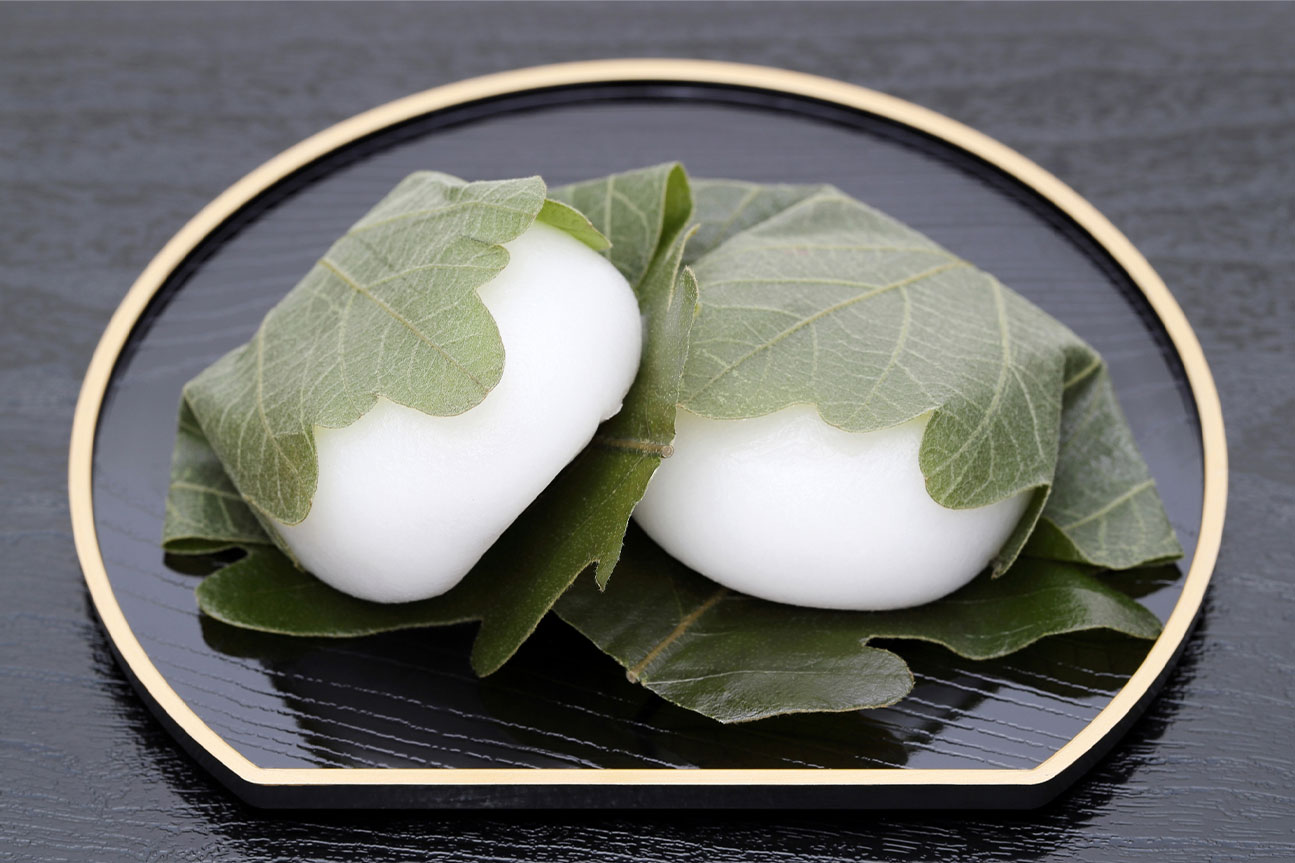
Awa Sake: a bubbly message to the world
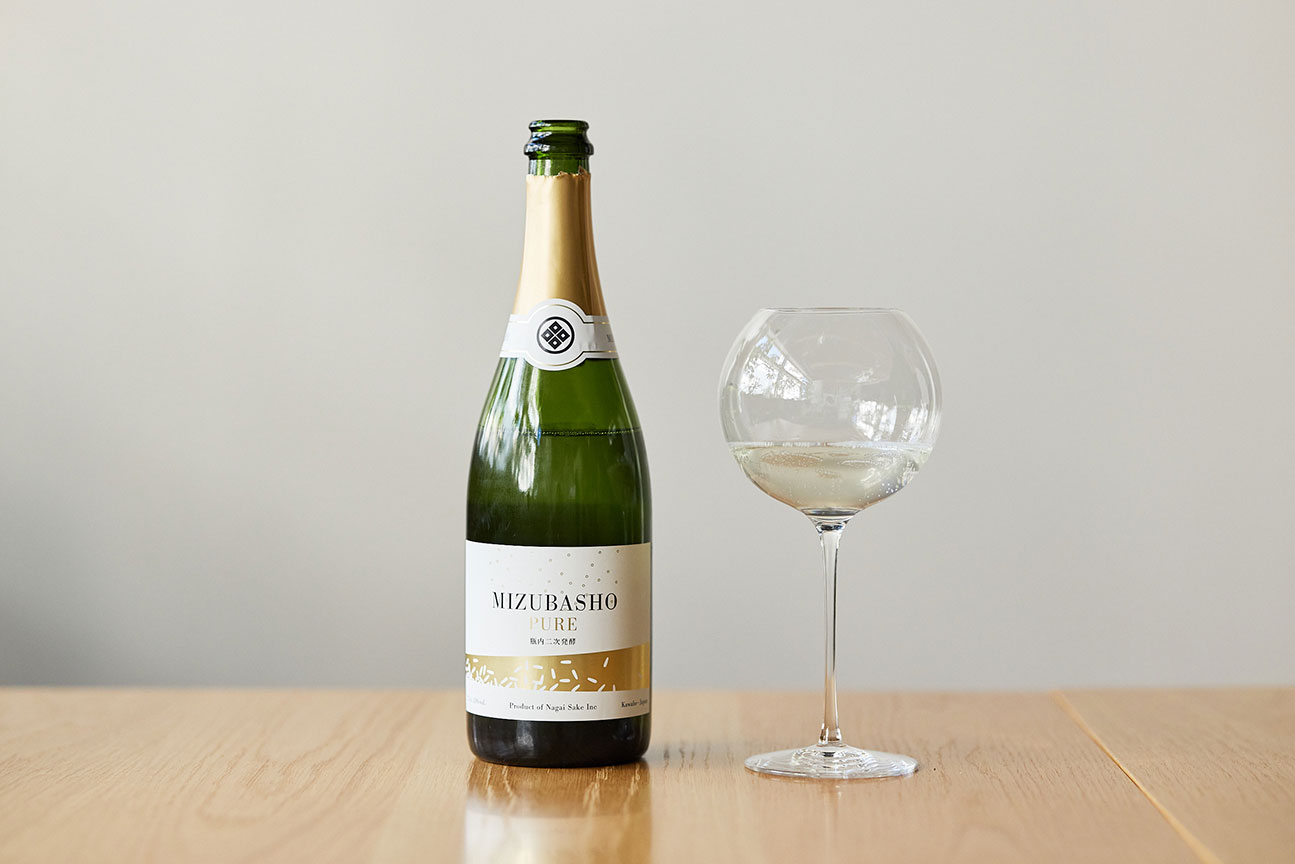
Ever wondered if Japan has its own answer to champagne? Picture a memorable evening of Japanese cuisine, seasonal flavors, and warm hospitality. At the center of the celebration is AWA SAKE—a premium sparkling sake crafted using Japanese brewing traditions. Quietly gaining recognition worldwide, it offers a new way to experience Japan's food culture. Discover the story behind the bubbles.
Rice Meal
From the daily dinner table to traditional cuisine, at the center of the Japanese meal: "Rice"
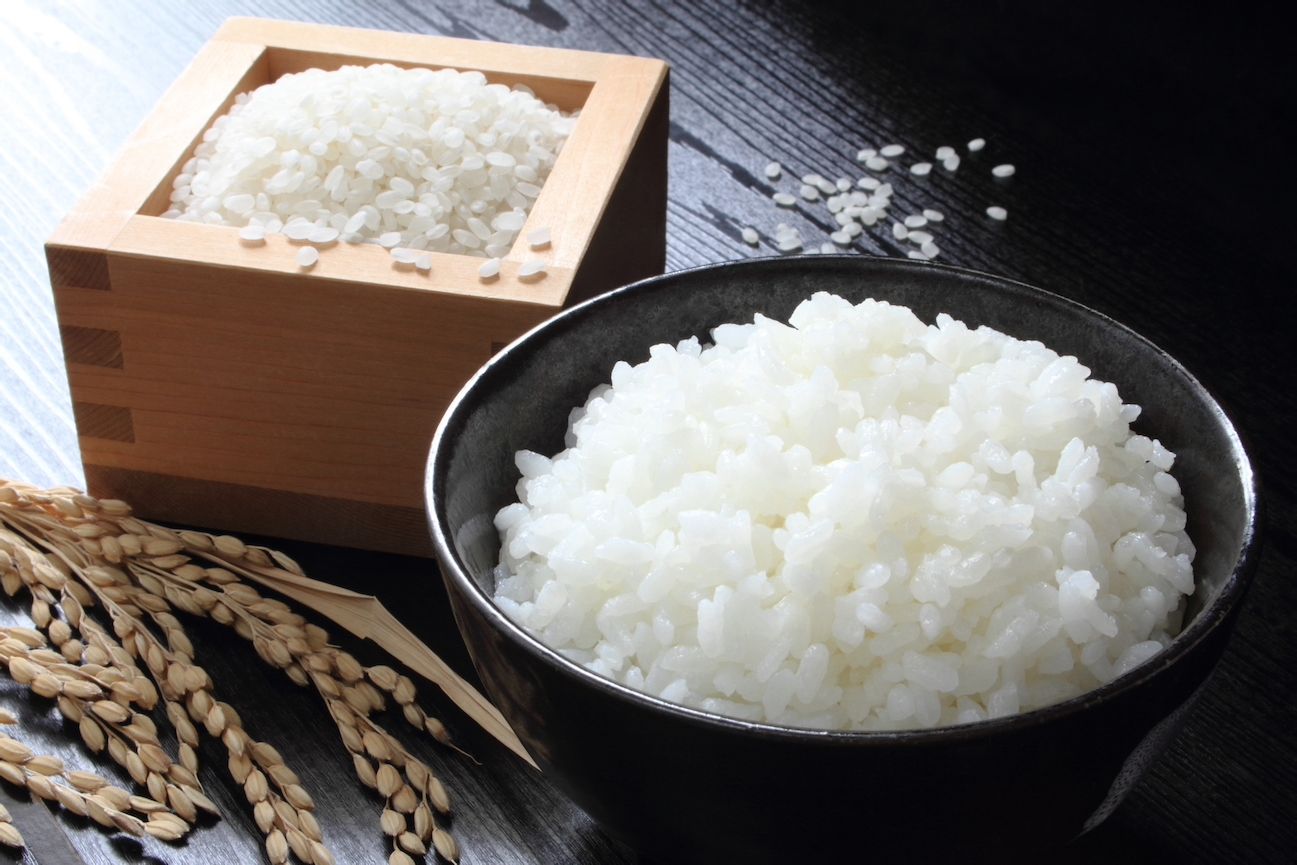
What makes a bowl of Japanese rice so unforgettable? For many travelers, it is more than a taste—it is a memory of steaming rice beside miso soup, seasonal dishes, and superb hospitality. Follow the story of rice, the humble grain at the heart of everyday meals and timeless food culture in Japan.
Challenge yourself to a higher level of cooking using safe and reliable Japan-produced eggs, fine to eat raw!

Seafood
Japanese seafood
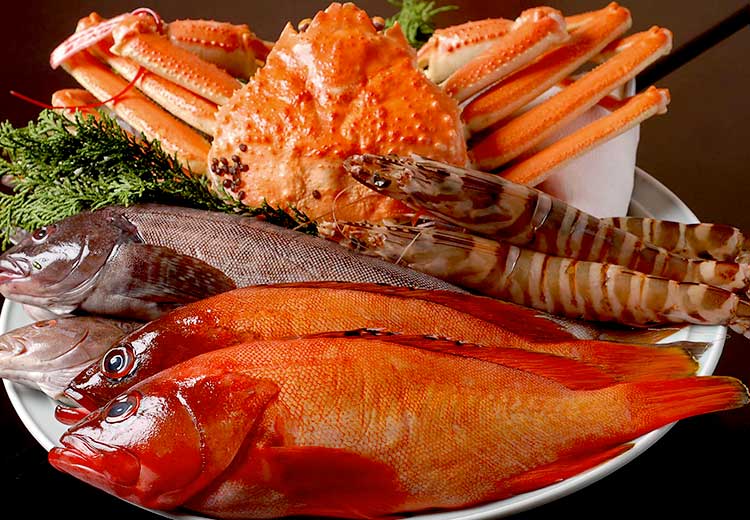
The blessing of the ocean
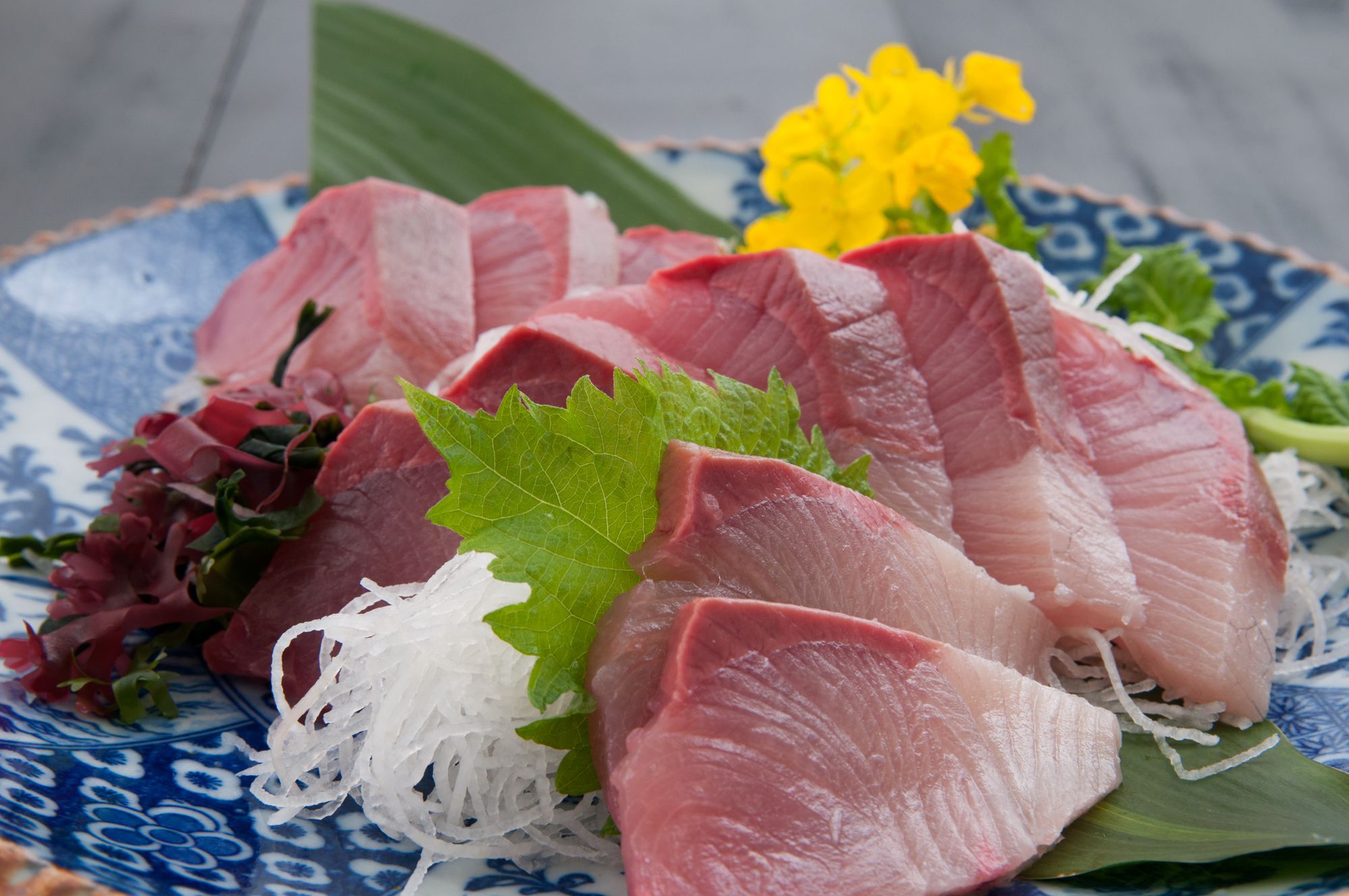
Beat the cold with warming recipes using nutritionally rich BURI that is in season in winter
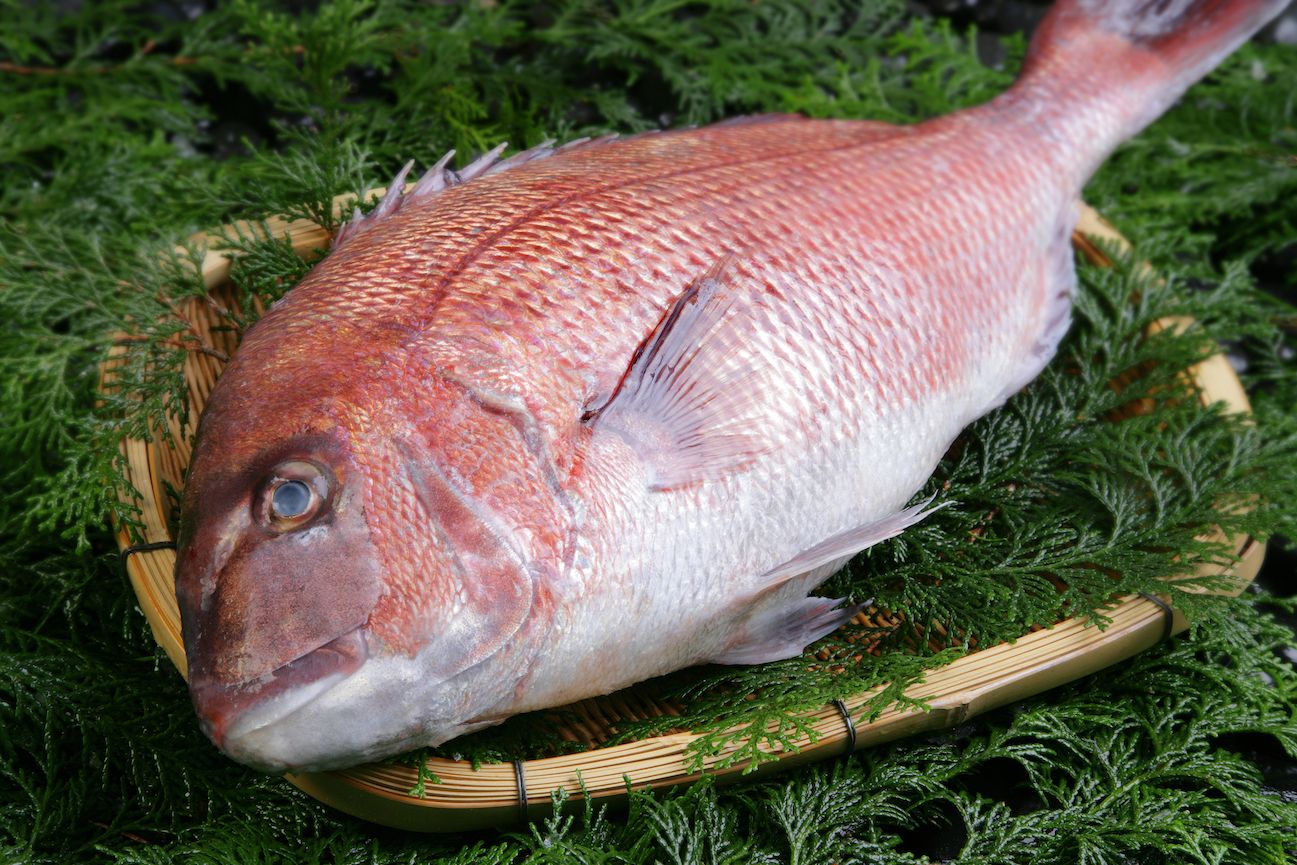
Japan’s delicious fruits of the sea, red sea bream and yellowtail, now adorn dinner tables around the world
Noodles
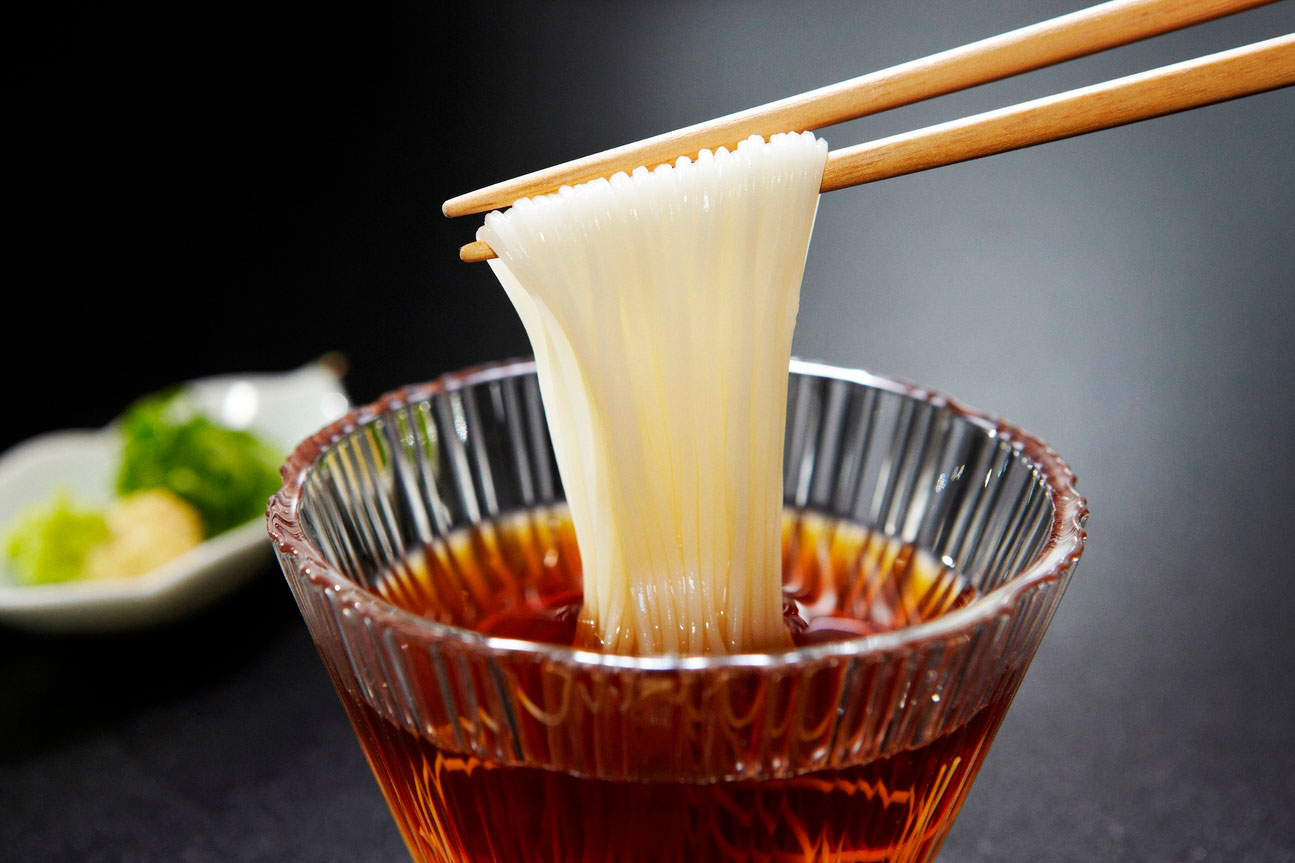
Banshu Somen: Fine Noodles for Fine Dining
Hotpot(Nabe)
The nabe (Japanese-style hot pot) dishes that bring people together in the Japanese winter
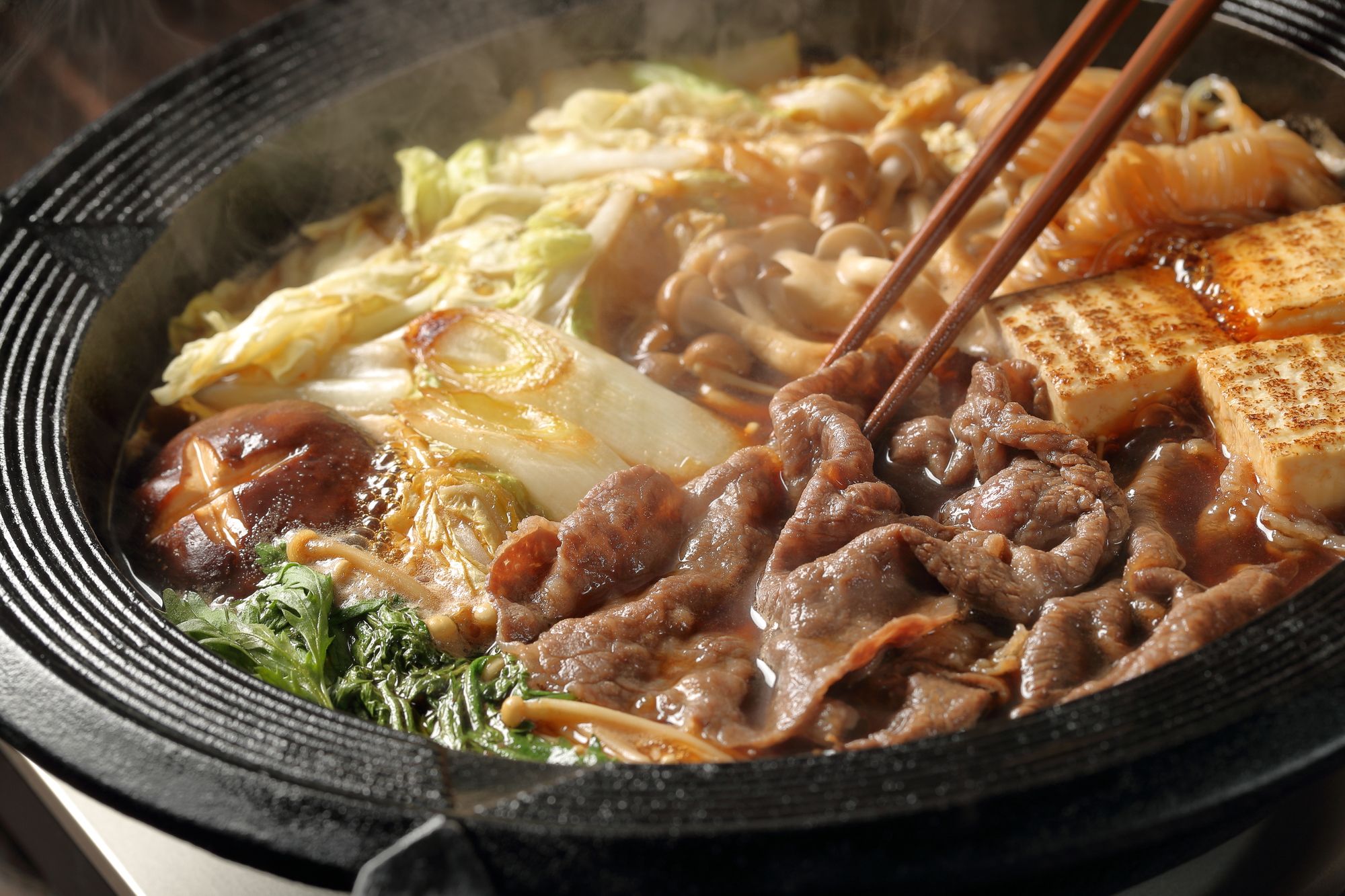
What could be more comforting than gathering around one steaming pot on a winter night in Japan? Nabe is more than a hot meal—it is a shared experience of warmth, conversation, and seasonal flavors. From sukiyaki to regional specialties, discover how Japan’s beloved hot pots bring people together, one simmering dish at a time.
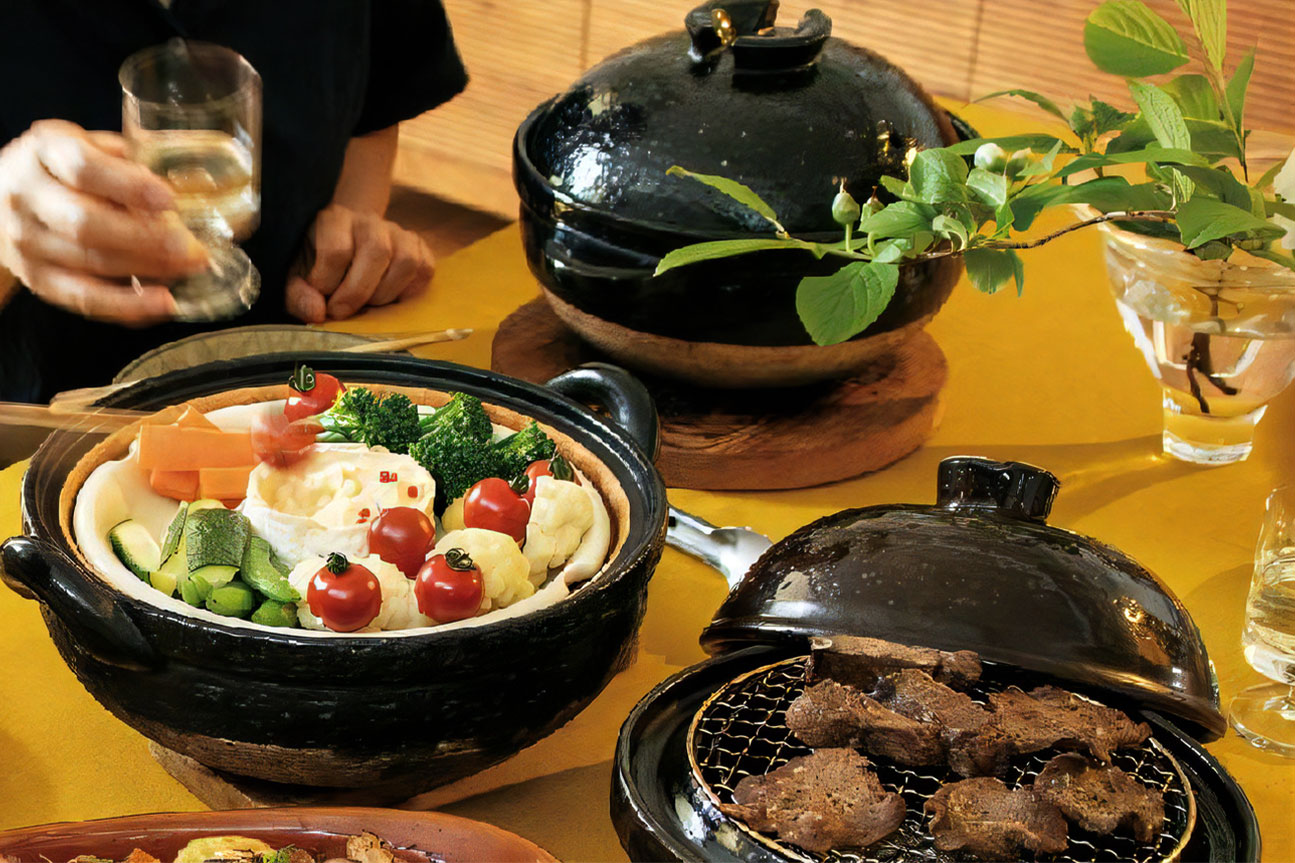
Deep Flavors and Versatility: The Donabe Hotpot Experience
Miso and Other Seasoning
Miso, an incredibly versatile and nourishing traditional Japanese fermented food
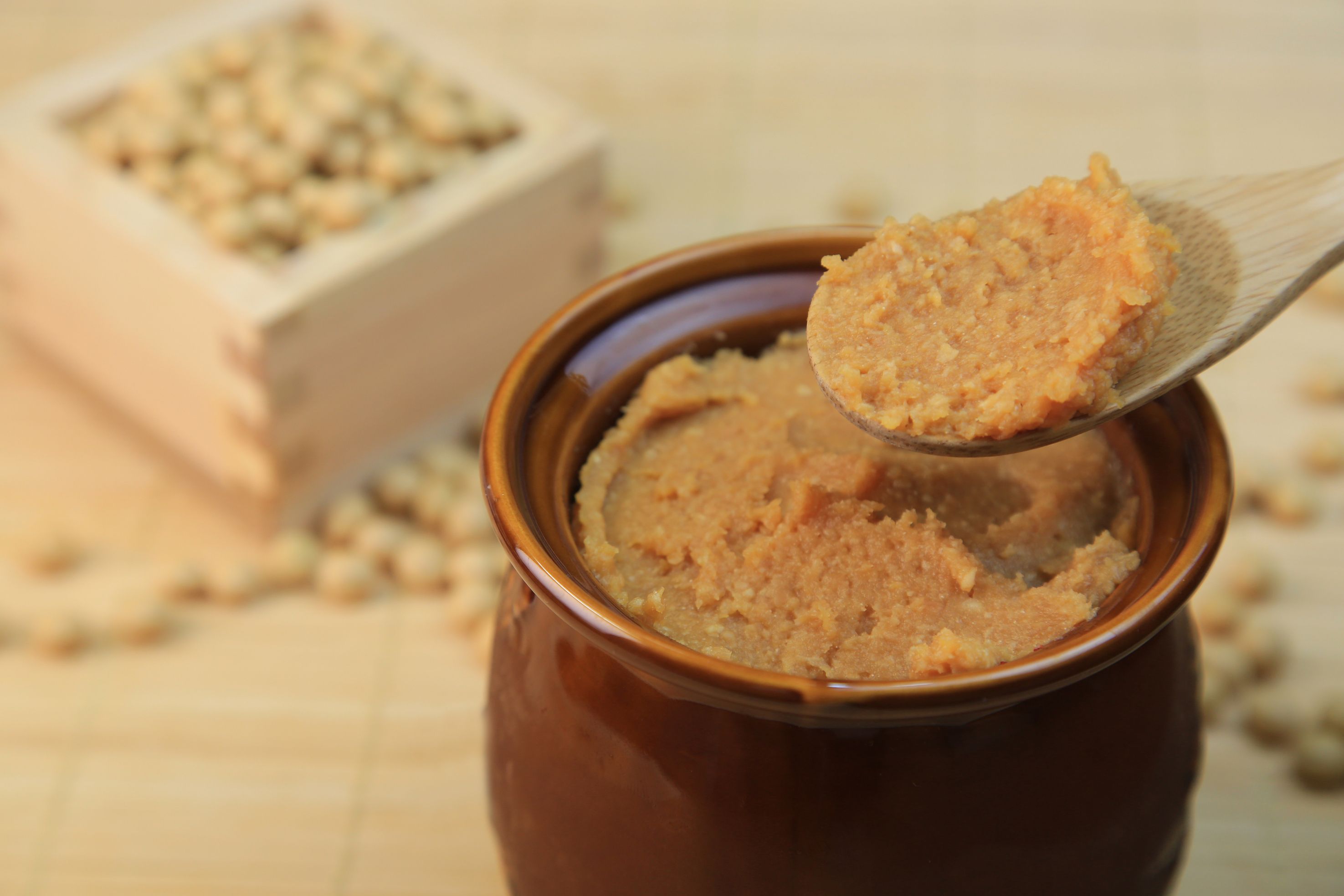
What if one spoonful could reveal centuries of Japanese culinary wisdom? Miso is more than a seasoning—it is a fermented treasure with rich umami, nourishing depth, and regional character. Whether stirred into soup or used in modern dishes, it invites you into the heart of Japan’s food culture.
Just a Spoonful of 'Koji'?
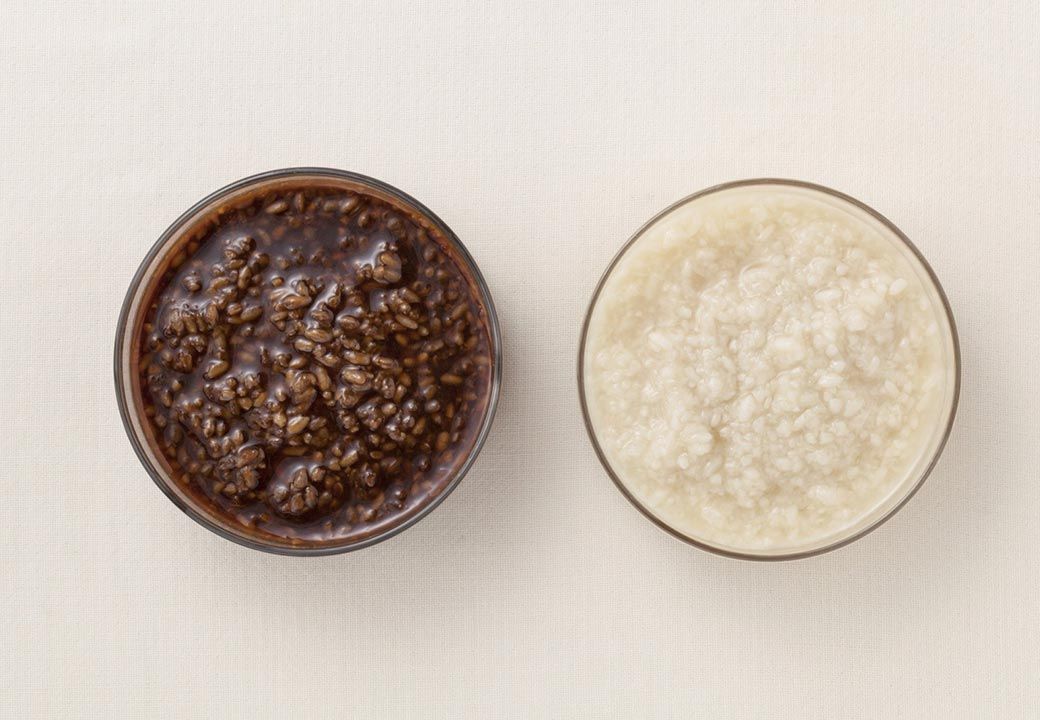
Koji, a microorganism used in Japan to make fermented foods like sake, miso and soy sauce, has been used in Japan for more than 1,000 years, and has recently been in the limelight for its wonderful healthful and beautifying properties.
Yakumi: Condiments with a Healthy Twist
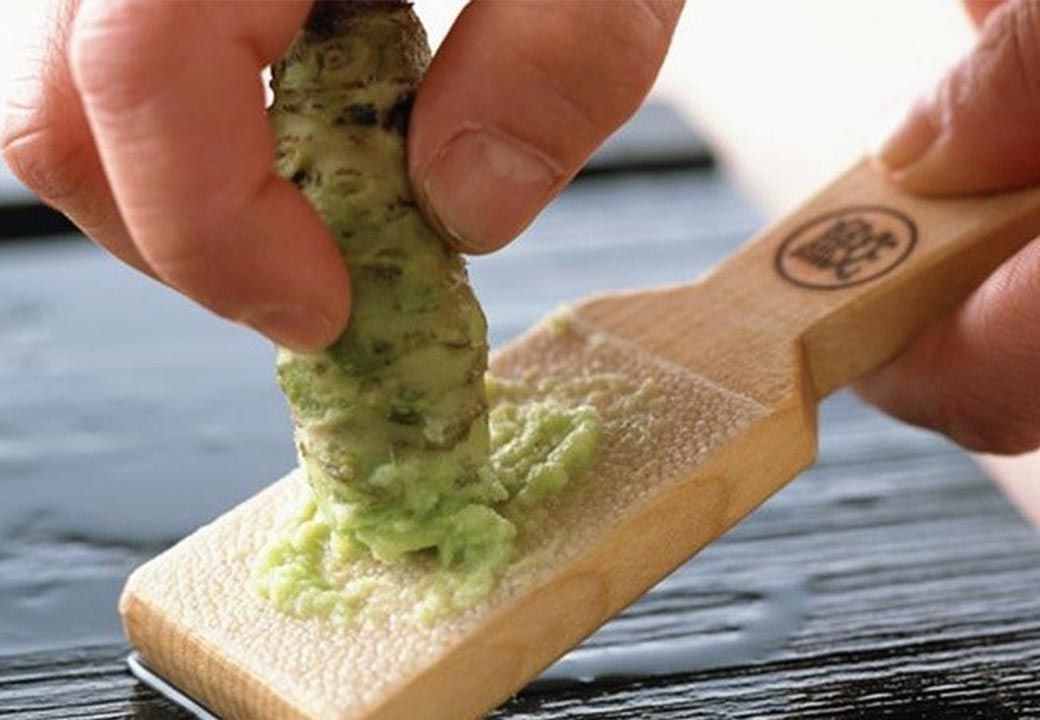
A pinch of grated ginger, a small bowl of thinly sliced negi (green onion) or a garnish of grated yuzu (lemon-lime citrus) peel: Each of these is an example of yakumi, a variety of condiment usually served in small amounts as an accompaniment to noodle dishes or nabemono (stews or foods cooked in a pot).
What Is Umami? The Japanese Fifth Taste Explained
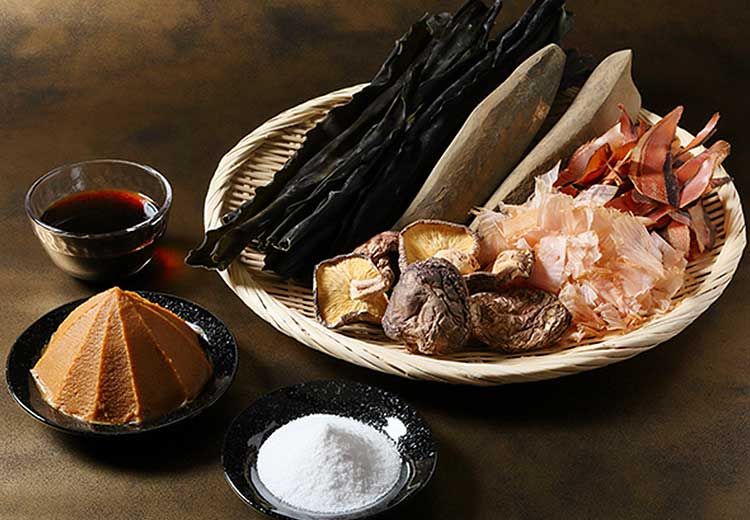
Playing a supporting role in Japanese cuisines that are as important as main casts
Dashi Made Easy: Bringing Authentic Japanese Flavors to Your Kitchen

Fruits and Vegetables
Japanese vegetables
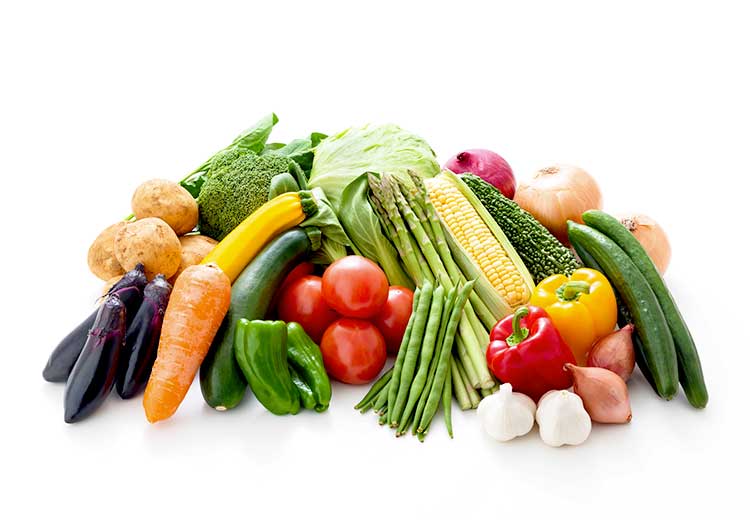
A collaboration of humans and the nature
Japanese fruits
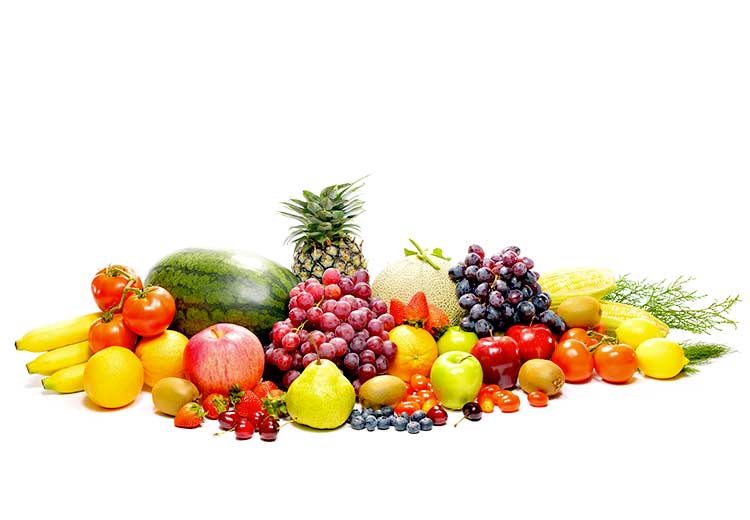
A collaboration of humans and the nature
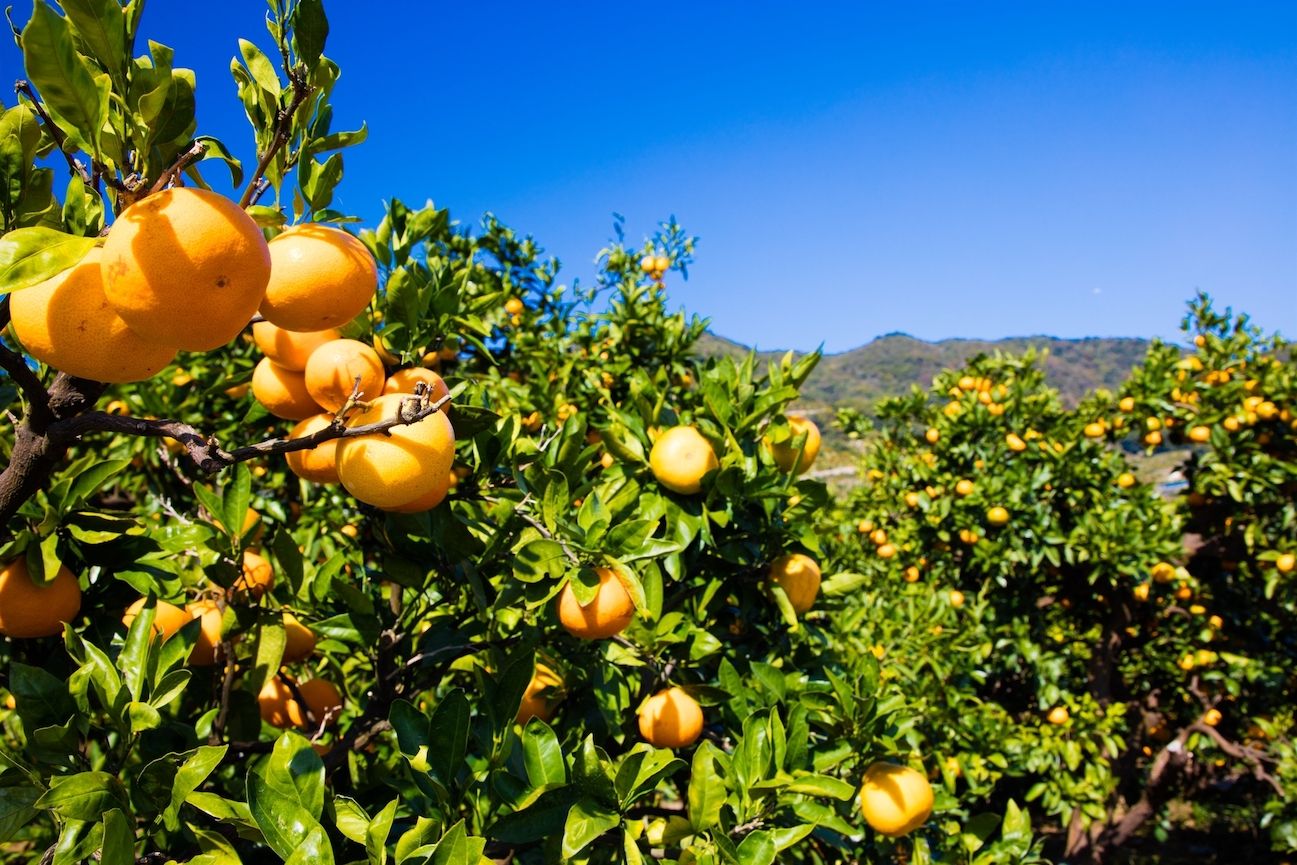
The diversity of Japanese citrus fruits, in season from fall to spring
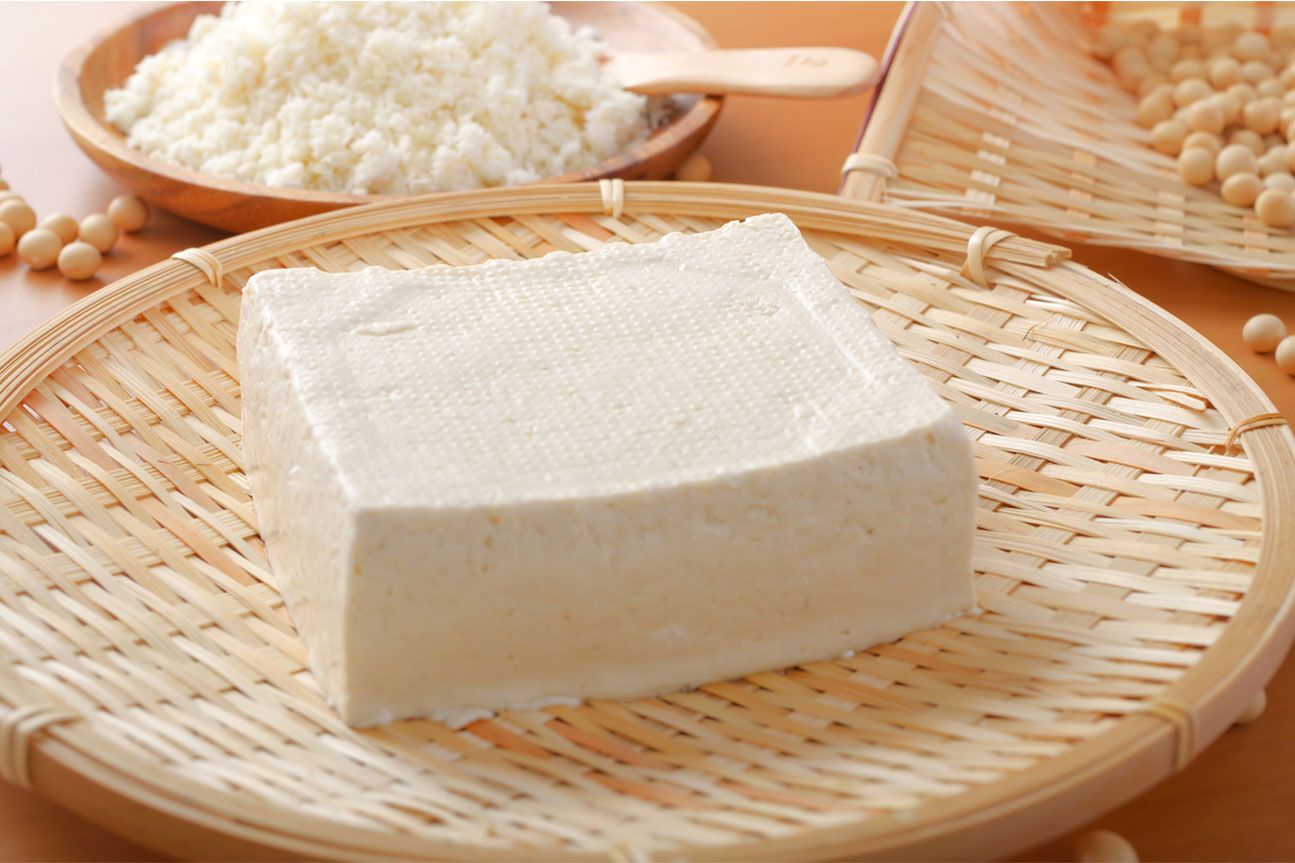
A Fresh View on Tofu
Food Culture
What is Ichiju-Sansai?
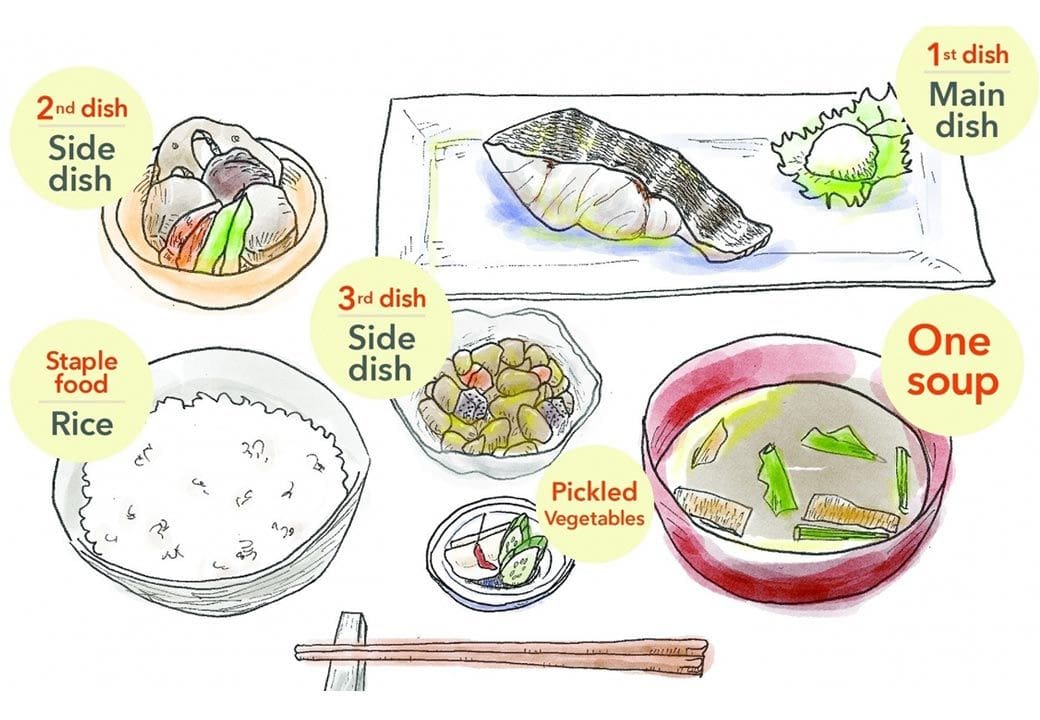
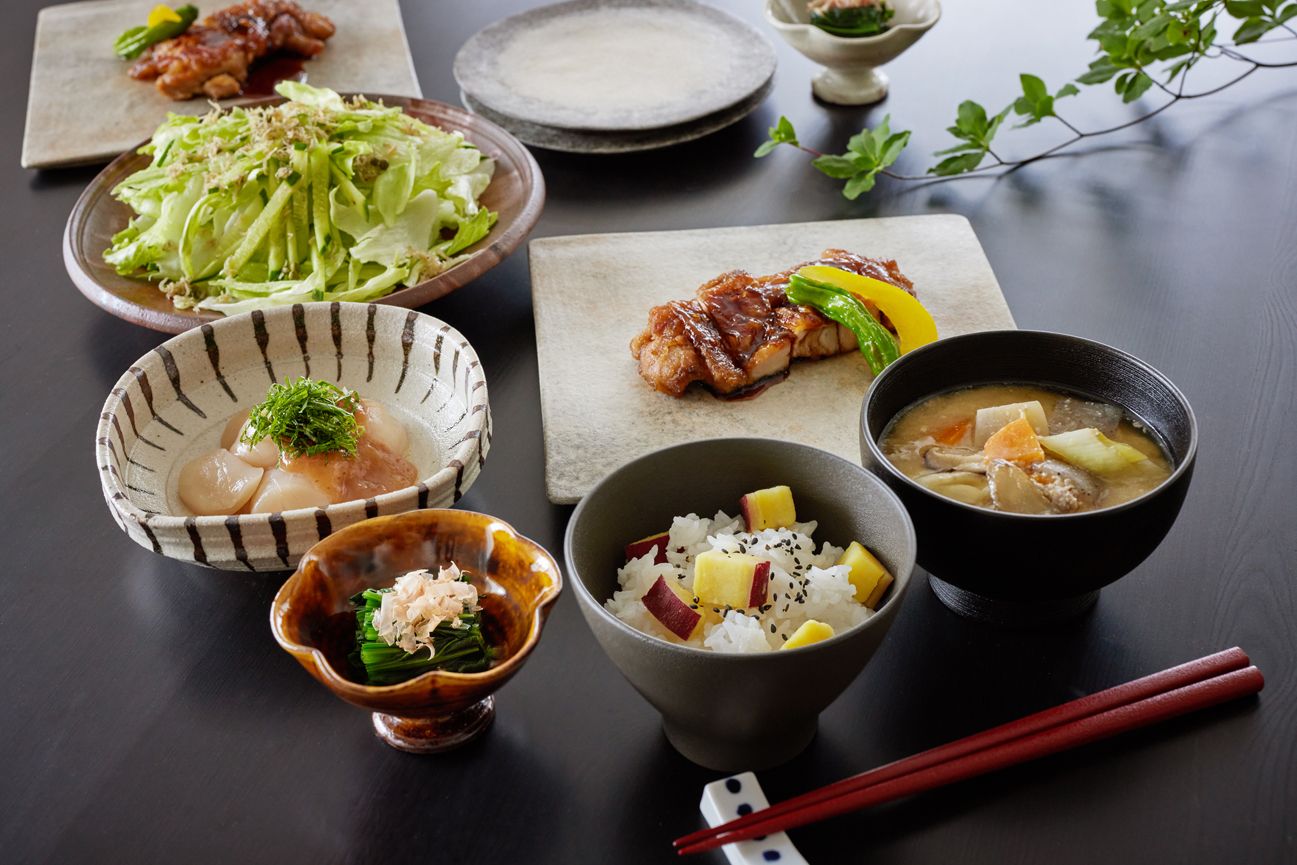
A bowl of soup, a few small dishes, and suddenly, a meal becomes a memory. This is the magic of ichiju-sansai, Japan’s “one soup, three dishes” approach to dining. Rooted in fresh ingredients and seasonal flavors, it offers a delicious window into the spirit of Japanese food culture.