Mastering Japanese Sake: A Connoisseur's Guide to Nihonshu
Across the world's great drinking cultures, few traditions rival the depth and artistry of Japanese sake, a brew that has been refined over 2,500 years into one of gastronomy's most complex and rewarding pleasures. Authentic Japanese sake is far more than just a counterpart to wine; it is a masterclass in microbial alchemy that yields a pristine, fragrant brew brimming with umami. Understanding the nuances of this ancient drink unlocks the very soul of Japanese gastronomy, enriching every culinary experience it touches. From its origins in ancient temple brewing to its modern global renaissance, this guide will help you identify, source, and savor the finest sake Japan has to offer.
What is Japanese Sake? The Magic of Microbial Alchemy
While often categorized alongside wine, sake is actually closer to beer in production, yet its brewing method is far more complex than either. It relies on a unique, world-class process called "Multiple Parallel Fermentation". Because rice lacks the natural sugars needed to produce alcohol, brewers use a specialized mold called koji to break the rice starches down into glucose. Simultaneously, in the exact same vat, sake yeast ferments that newly created glucose into alcohol.
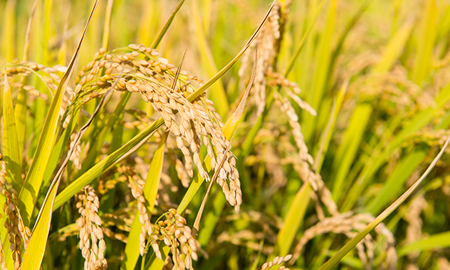
To achieve this magic, brewers rely on just four pure elements: water, yeast, koji, and special sake rice. As sake is approximately 80% water, breweries are strictly built over pristine water sources, and the local mineral content acts as the brewer's canvas. For instance, the mineral-dense, hard water aquifers of Hyogo Prefecture allow yeast to work vigorously, yielding a bold, highly structured beverage. In contrast, the soft waters of Kyoto encourage a much slower fermentation process that results in a gentle, mellow profile.

Different styles of Japanese Sake: Decoding the Polishing Ratio
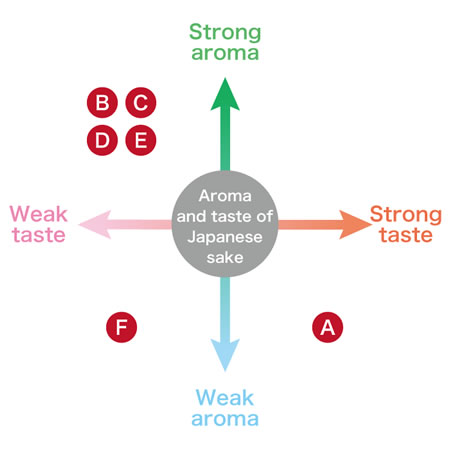
To truly appreciate and navigate a high-end sake menu, you must understand the Rice Polishing Ratio.
The outer layers of a rice grain contain fats and proteins that can cause rough, unwanted off-flavors during brewing. To create premium special-designation sake, brewers use advanced machines to carefully polish away the outside of the grain, leaving only the pure starch in the center.
Generally, the more the rice is polished away, the more vibrant, fruity, and expensive the sake becomes. This polishing ratio defines the premium grades you will see on the bottle, which serve as a helpful "flavor compass" to guide your purchase intent:
- Junmai (Pure Rice): The purest expression of sake, crafted from rice alone with no additives. Profile: Full-bodied, earthy, and high in umami. It is best suited for hearty meals or served warm.
- Ginjo (60% or less remaining rice grain): Profile: Fragrant and fruity, defined by its signature Ginjo-ka (floral aroma) featuring notes of apple, melon, and bananas. It is best served chilled as an aperitif.
- Daiginjo (50% or less remaining rice grain): Profile: The "Grand Cru" of the sake world. Extremely light, ethereal, and complex, with brewers polishing away at least 50% of the grain, and often far more. It is a masterpiece to be savored on its own or paired with delicate sashimi.
The Culinary Science of Sake: A Flavor Catalyst
Sake is far more than a beverage; it is an indispensable pillar of the kitchen that performs chemical functions grape-based wines cannot replicate. It is a flavor catalyst rather than just a sidecar to the dish.
The Umami Advantage
Sake contains up to eight times more amino acids than wine. When simmered into sauces or broths, this high concentration imparts a profound depth of savory umami that balances sweet and salty elements. Furthermore, because sake has lower acidity than wine and almost zero iron or sulfites, it never creates a "metallic" clash with delicate ingredients like caviar or uni.
Neutralizing and Tenderizing
The unique alcohol and ester composition of sake helps neutralize "fishy" odors in seafood. Simultaneously, sake acts as a superior tenderizing agent; the alcohol penetrates protein fibers more effectively than the acids in wine, resulting in a more succulent, silky texture in meats and fish.
Professional Techniques for the Home Kitchen
- Sakamushi (Steaming): Steaming shellfish in a splash of dry Junmai infuses the meat with floral sweetness while the alcohol carries away residual brine.
- The Precision Deglaze: Use sake after searing poultry or Wagyu to create a reduction naturally lower in harsh acidity than vinegar or wine, allowing the meat's natural fats to shine.
- Enriching Simmered Dishes (Nimono): In traditional simmered dishes, sake acts as a bridge between ingredients, harmonizing flavors while providing a glossy, professional finish to the sauce.
From Izakayas to Fine Dining: How to Savor
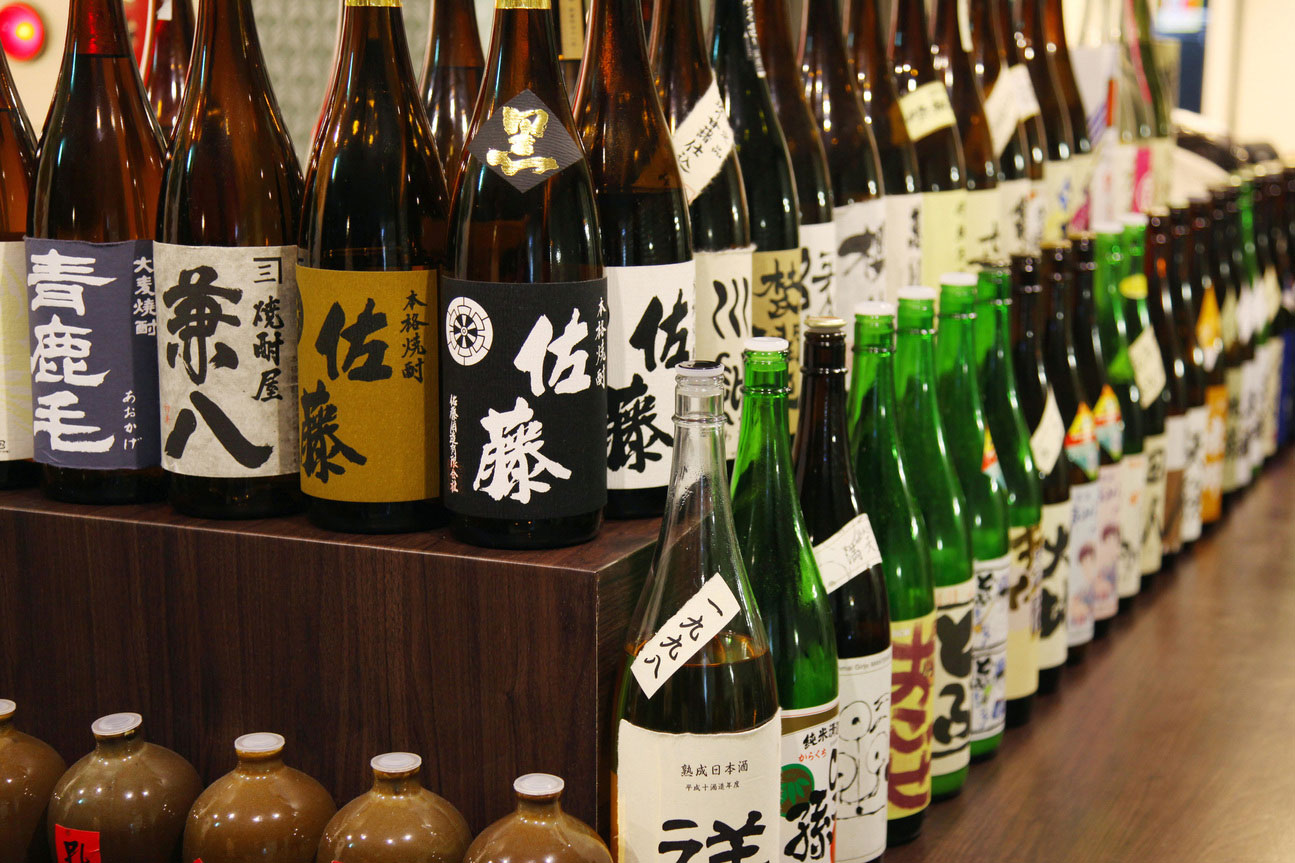
The global landscape for sake has shifted. You will now find curated lists in high-end French bistros and specialized sake bars from New York to London. However, the vessel dictates the character of the experience.
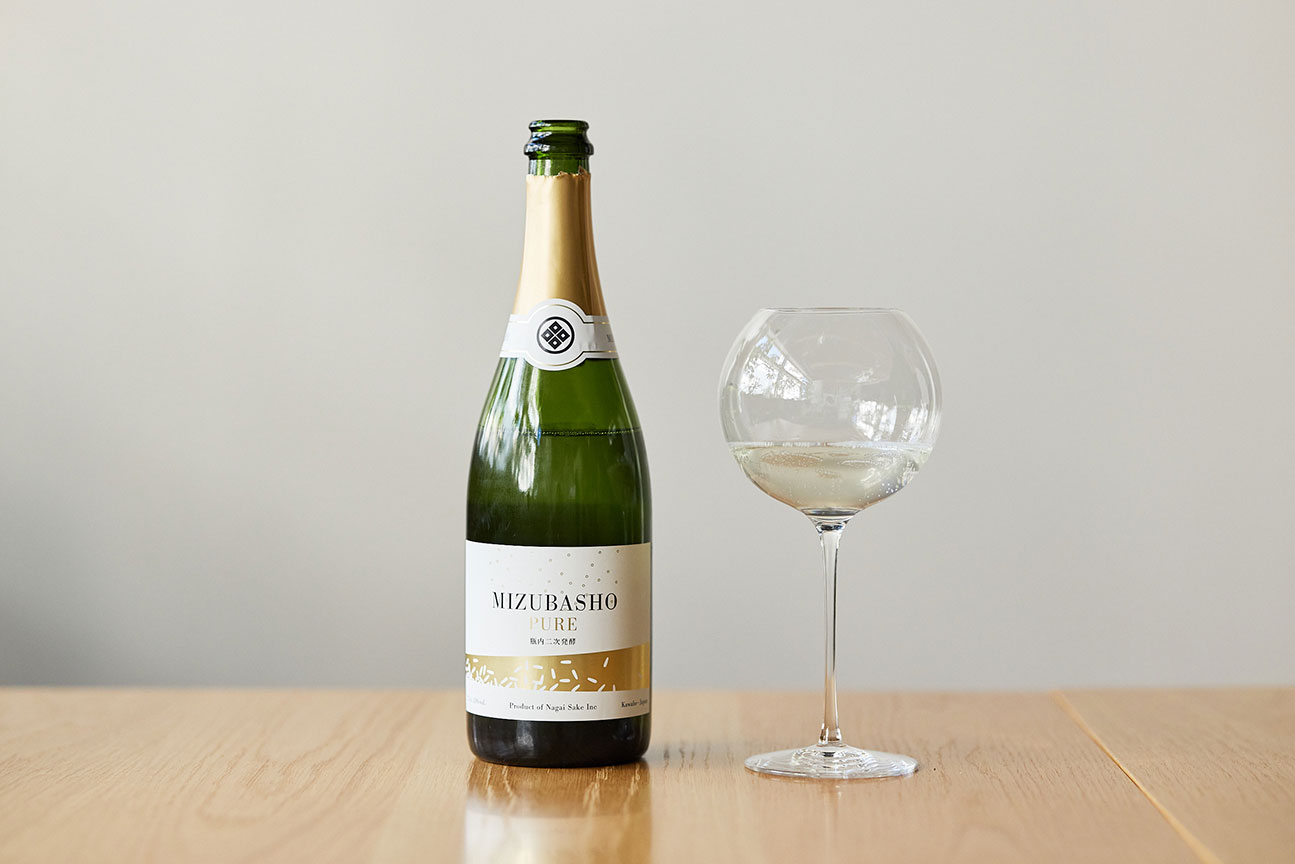
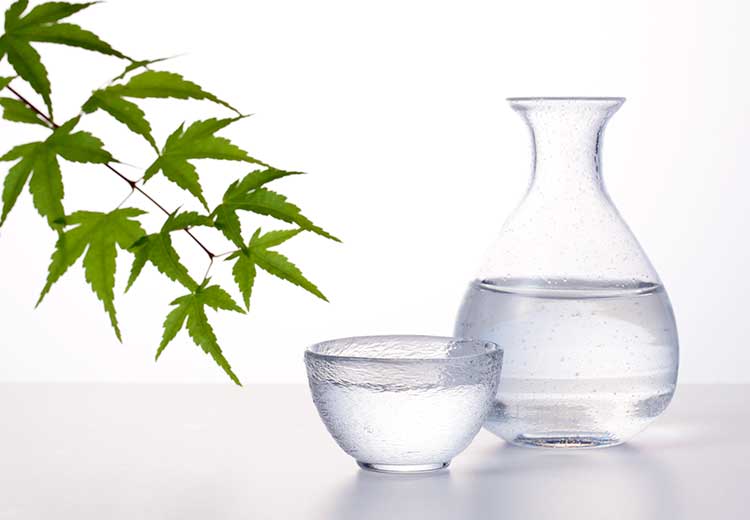
While traditional ceramic o-choko cups poured from a tokkuri flask are perfect for a cozy izakaya night, modern sommeliers recommend a tapered wine glass for premium Ginjo and Daiginjo. This allows the delicate "microbial alchemy" of the floral aromas to breathe and concentrate, much like a fine Chardonnay or Riesling.

History of Japanese Sake: A Legacy of Refinement
For the deeply curious connoisseur, the heritage of Japanese sake is a fascinating tale of continuous refinement.
The origins of fermenting rice into alcohol arrived in Japan alongside rice cultivation roughly 2,500 years ago. For centuries, sake brewing was strictly governed by the Imperial Court and reserved for religious ceremonies and the aristocracy.
The turning point occurred between the 12th and 14th centuries. The responsibility of brewing shifted to monks at powerful temples, such as Shoryaku-ji in Nara. These highly educated monks treated sake as a commodity and invented the foundational techniques we still use today, including the three-stage fermentation process and a method of heat pasteurization, which they discovered in 1569, nearly 300 years before Louis Pasteur.
During the peaceful Edo period (1603–1867), sake production transitioned into a massive commercial industry. However, the highly aromatic, fruity premium sake the world loves today is a surprisingly modern invention. During the 20th century, the isolation of superior heritage yeast strains and the development of precision milling machines triggered the "Ginjo boom," elevating sake to the global luxury stage.
To pour a glass of authentic Japanese sake is to experience centuries of dedicated craftsmanship. Whether sipping a chilled Daiginjo or using Junmai to perfect a simmering hot pot, Nihonshu offers a profound, umami-rich journey. Kanpai!