The Ultimate Guide to Authentic Japanese Wagyu: A Masterpiece of Flavor
To some, "Wagyu" is simply a premium label. To the culinary world, it represents something far more serious, a product of meticulous craftsmanship, century-old genetic preservation, and a culture that treats livestock farming as an art form. But as the popularity of this legendary beef has grown, so has a sea of imitations. Navigating marbling scores and regional brands requires more than just an appetite; it requires knowing what makes the Japanese original truly peerless. This guide will help chefs, connoisseurs, and curious home cooks alike identify, source, and savor the only beef in the world guaranteed to melt on the palate.

Wagyu beef nurtured in Japan, blessed with rich nature and clear water.
What Sets Authentic Japanese Wagyu Apart from the Rest?
Not all Wagyu is created equal. While many countries produce crossbred beef labeled "Wagyu," authentic Japanese Wagyu is 100% purebred, the only beef in the world guaranteed by the Universal Wagyu Mark, which ensures a level of quality and genetic purity that hybrid competitors simply cannot replicate.

Rearing environment with consideration of nurturing cattle so they will not feel stress. They are shown affection, managed for good physical condition, and nurtured with gratitude.
The secret lies in its sashi, or intricate fat marbling. Purebred Japanese cattle produce fat exceptionally rich in oleic acid, giving it a melting point of just 30°C (86°F), the delicate, pristine white fat literally dissolves at room temperature, coating the palate in buttery richness. This same chemical composition produces the famous "Wagyu Beef Aroma," a sweet fragrance with notes of peach and coconut that is entirely absent in crossbred varieties.
Japan enforces the most rigorous beef grading system in the world to protect this. The coveted "A5" label signifies maximum yield, a perfect Beef Marbling Score, flawless meat color, and supreme fat quality. Strict JAS Standards and traceability laws back every purchase.
Japanese vs. American Wagyu: Understanding the Difference
When shopping internationally, consumers often encounter their own local "Wagyu", typically hybrid cattle, crossed between imported Japanese genetics and heartier local breeds like Angus. The result is a beefier, steak-like texture well-suited to feedlot production and high-heat grilling, but the coarser marbling simply cannot replicate the melt-in-your-mouth quality of the original. Purebred Japanese Black Wagyu, which makes up 97% of Japan's Wagyu population, is bred specifically for fine-grained intramuscular fat, a buttery softness that cannot be faked.
Within Japan, authentic Wagyu is further defined by strictly guarded regional brands. The most legendary are known as the "Three Great Wagyu":
Kobe Beef: The global symbol of Wagyu excellence, raised in Hyogo Prefecture. Only the finest Tajima cattle qualify, prized by chefs worldwide for its highly artistic marbling, clean flavor, and refined sweetness.
Matsusaka Beef: Raised in Mie Prefecture, celebrated for its rich, sweet fat and deep umami that melts beautifully in traditional hot pots.
Omi Beef: Boasting over 400 years of history from Shiga Prefecture, Omi beef has a lighter, more elegant fat profile and a delicate aroma.
Identifying the Universal Wagyu Mark: Where to Find Genuine Exports
The “Universal Wagyu Mark”, established to allow the deliciousness of genuine Wagyu beef to be experienced.
Authentic Japanese Wagyu doesn't require a trip to Tokyo. Thanks to strictly regulated export standards, this luxury ingredient is globally accessible. Seek certified retailers or fine-dining steakhouses that display the Universal Wagyu Mark and can provide certificates of authenticity. In high-end Teppanyaki restaurants, A5 Wagyu is often prepared tableside and served in small portions, the richness demands it.
For a more traditional experience, Sukiyaki and Shabu-shabu restaurants are worth seeking out. Sukiyaki enhances the beef's sweet, fatty richness by simmering thin slices in a savory soy-based broth, while Shabu-shabu takes a lighter approach, letting the natural aroma speak for itself in hot kelp stock.
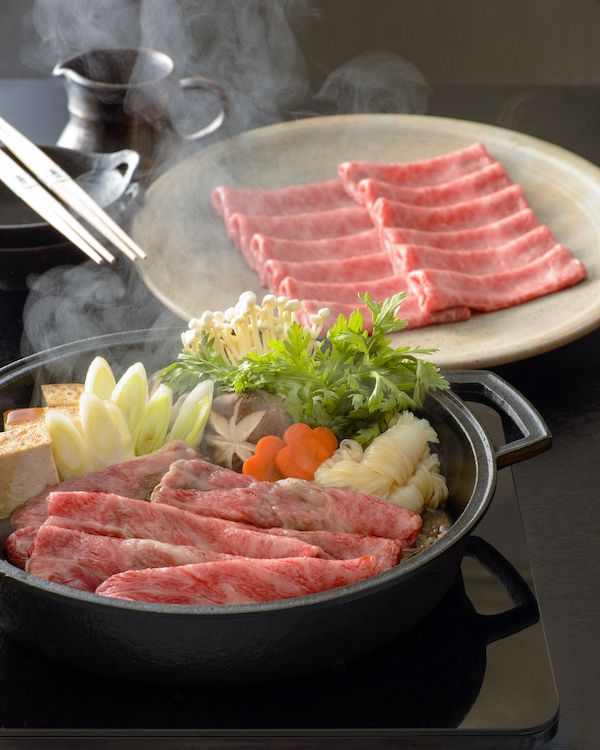
Sukiyaki, for experiencing, to one's heart's content, the temptation of Wagyu beef.
The A5 Cooking Guide: Managing Heat and Marbling
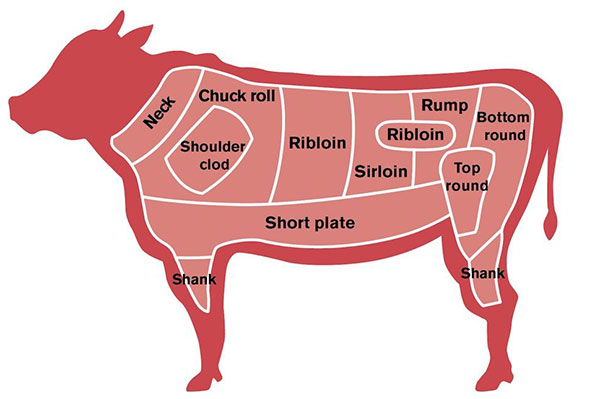
Parts of beef Each has distinctive features in flavor, and various cooking methods to suit it, too. Photo is from the Ministry of Agriculture, Forestry and Fisheries PR magazine “aff”, September 2020 issue.
Cooking this premium investment at home requires a completely different philosophy than throwing a standard steak on the barbecue. Because authentic Wagyu has such a low melting point, it cooks about 30% faster than standard beef. The intense marbling also acts as an insulator, meaning thick cuts will leave the center cold while the outside burns.
To preserve the A5 experience, use cuts no thicker than ¾ to 1 inch and employ a flash-sear approach: just 1 minute per side on a smoking-hot cast-iron skillet. The goal is to quickly caramelize a crust while maintaining a buttery, rare center, letting the beef fry in its own rich, rendered fat.
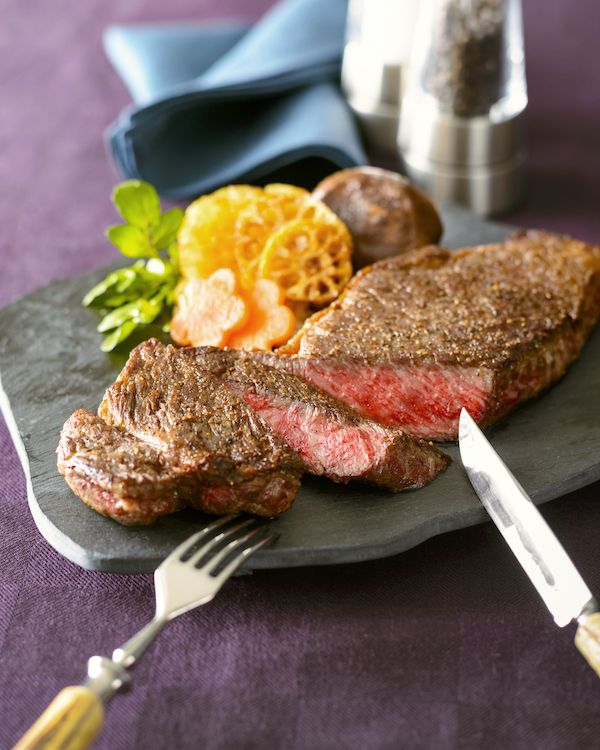
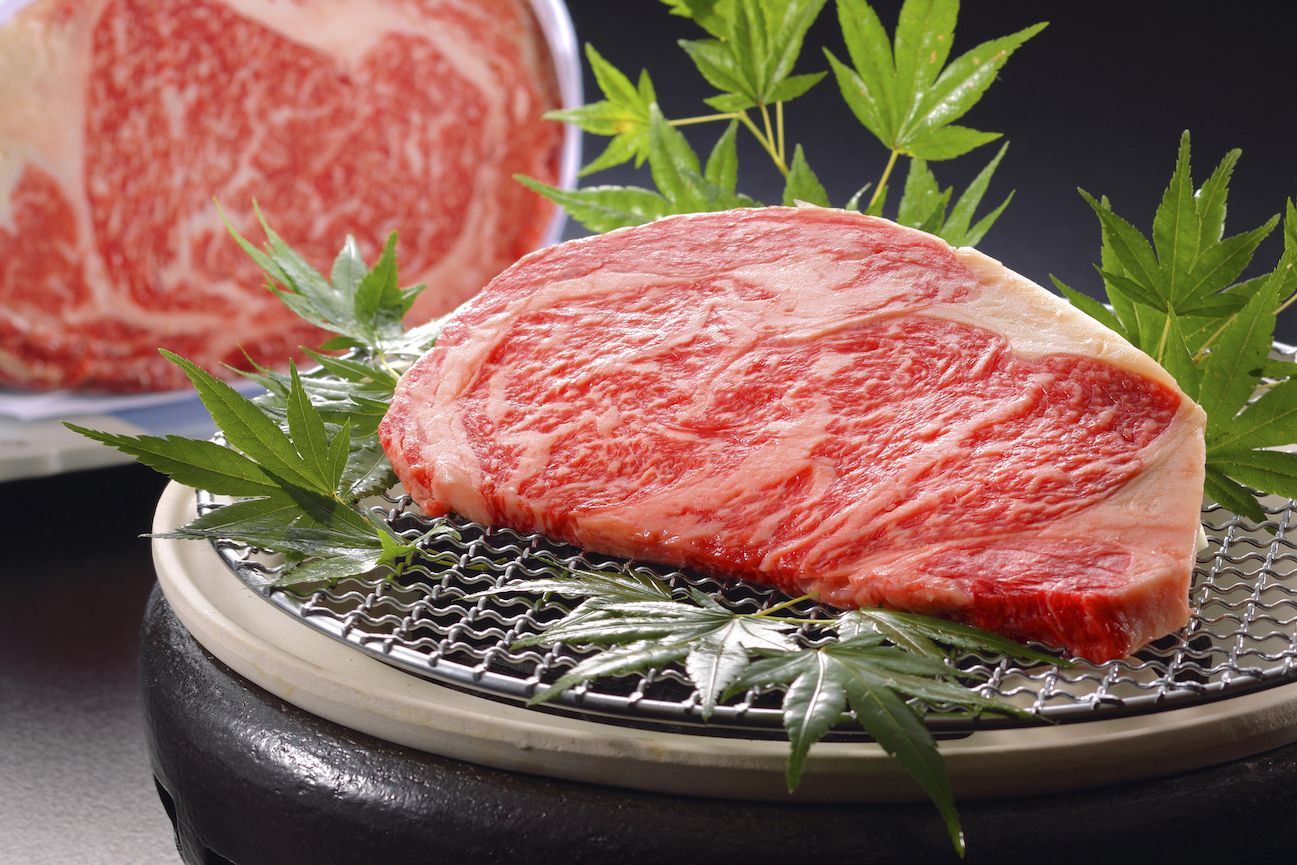
The lure of Wagyu beef sirloin steak is its tenderness that allows a knife to slip through it, and its depth of flavor.
The Origins of Excellence: Why Wagyu is Japan's Culinary Legacy
For centuries, Japanese cattle were strictly working animals. Isolated in mountainous regions under Buddhist prohibitions on eating meat, native cattle developed high-endurance muscle and unusual fat-storing traits over generations. The Meiji Restoration in the late 19th century changed everything, Japan opened its borders, and beef became a symbol of modernity almost overnight.
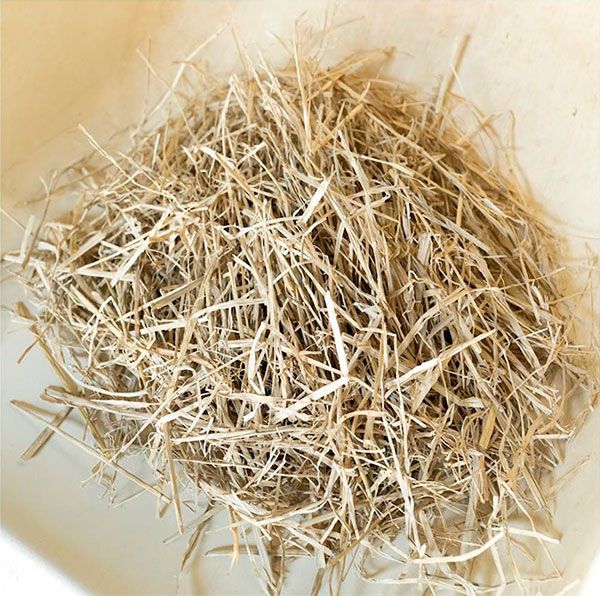
Rice straw is fodder unique to Japan where rice is the staple food. It is fed to them, along with pasture grass, while they are calves in order to grow healthy internal organs.
To meet demand, farmers crossbred native stock with imported European breeds between 1868 and 1910. It worked in terms of size, but breeders noticed the exquisite meat quality of native lines was being lost in the process. The government closed the registries in 1910, cutting off any further outside stock. What followed was decades of careful, closed-loop refinement, meticulously selecting for the traits we now recognize as Wagyu. By 1944, those genetics were officially codified into the distinct breeds celebrated today. That century-long lockdown is precisely why no modern overseas hybrid can claim the same standard.
Authentic Japanese Wagyu is not a meal you forget, it is an invitation to experience years of Japanese history and a century of dedicated refinement. By choosing beef protected by the Universal Wagyu Mark, you are supporting a legacy of excellence that prioritizes quality, safety, and a flavor profile that cannot be replicated by modern hybrids. From the refined sweetness of Kobe beef to the deep umami of a home-cooked Sukiyaki bowl, a world of flavor awaits.