


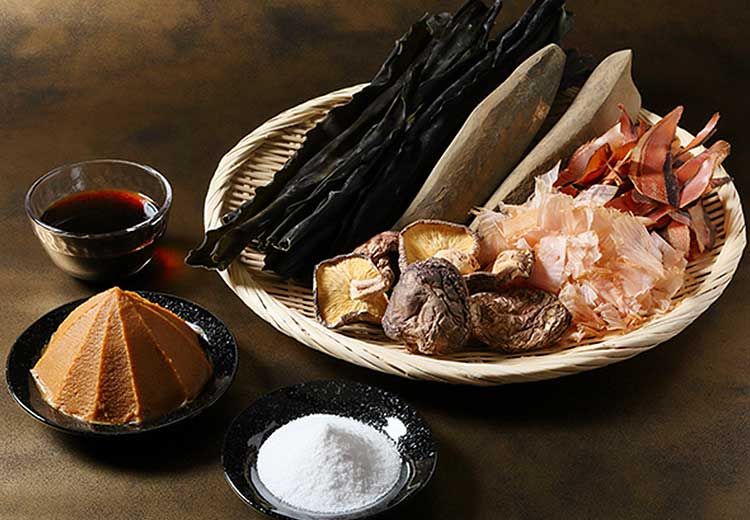
What Is Umami? The Japanese Fifth Taste Explained
What Does Umami Mean?
If you've ever taken a sip of Japanese soup and wondered why it tastes so satisfying without being simply salty or rich, you've already met umami. It is often described as a “savory” or “meaty” taste, but umami is a distinct taste in its own right, alongside sweet, sour, salty, and bitter as one of the five basic tastes.
The umami meaning we use today traces back to a single moment in Japan. In 1908, scientist Kikunae Ikeda tasted kombu kelp broth and set out to find what made it so delicious. He isolated glutamic acid and named the taste “umami,” combining the Japanese words for “delicious” (umai) and “taste” (mi).
A few years later, in 1913, researcher Shitaro Kodama found a second umami compound, inosinic acid, in bonito flakes. In 1957, Akira Kuninaka discovered a third, guanylic acid, in dried shiitake mushrooms. Long before any of this was proven in a lab, Japanese cooks already knew these ingredients made food taste better - science simply gave that deliciousness a name.
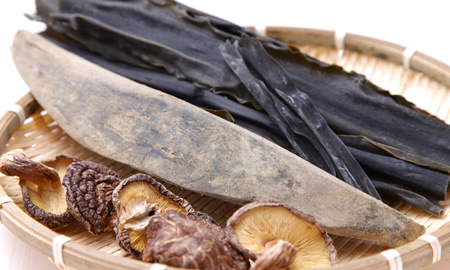
Kombu kelp and dried shiitake mushrooms are classic Japanese ingredients associated with umami.
How Japanese Soup Stocks Create Umami Depth
Soup stock, or dashi, is where umami taste in Japanese cuisine really comes to life. Much like French fond, bouillon, or consomme, dashi forms the flavor foundation of countless dishes, but it is far simpler to make. While French stocks often require hours of simmering bones and vegetables, Japanese dashi can be made in minutes by steeping kombu kelp and dried shiitake mushrooms in water, or by pouring hot water over bonito flakes.
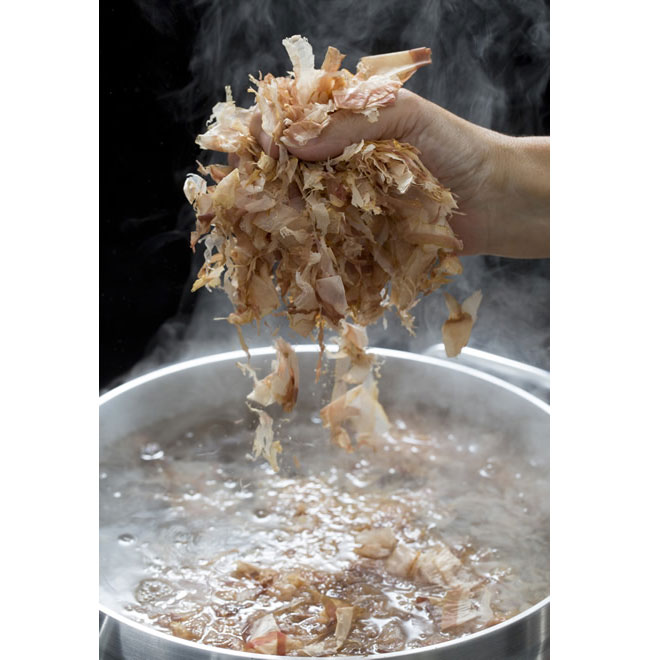
Bonito flakes are often used to make dashi, creating a deep umami-rich broth.
The difference dashi makes is thanks to umami. Because kombu, bonito flakes, and dried shiitake are used in different ratios and combinations across Japan's regions, dashi is also one reason Japanese cuisine can be refined, varied, and deeply flavorful from one area to the next.
Umami in Japanese Seasonings: Soy Sauce and Miso
Beyond soup stock, five seasonings form the backbone of Japanese cooking: soy sauce, miso, sugar, salt, and vinegar. Of these, soy sauce and miso are especially central to Japanese cooking, and both owe much of their umami taste to fermentation.

Japanese seasonings such as miso and soy sauce add umami to everyday cooking.
Made throughout Japan, soy sauce and miso vary noticeably by region. In eastern Japan, they tend to be darker and stronger in flavor. Western Japan favors lighter color and a gentler taste, while in Kyushu, a more pronounced sweetness is preferred. This regional diversity means the umami taste in Japanese soy sauce and miso is never quite the same from one prefecture to the next.
Taste Umami for Yourself
Now that you know what to look for, umami is easy to spot in Japanese cooking: the deep, satisfying flavor in a bowl of miso soup, a splash of soy sauce, or a simple broth.
Ready to try it?
Related Contents
-
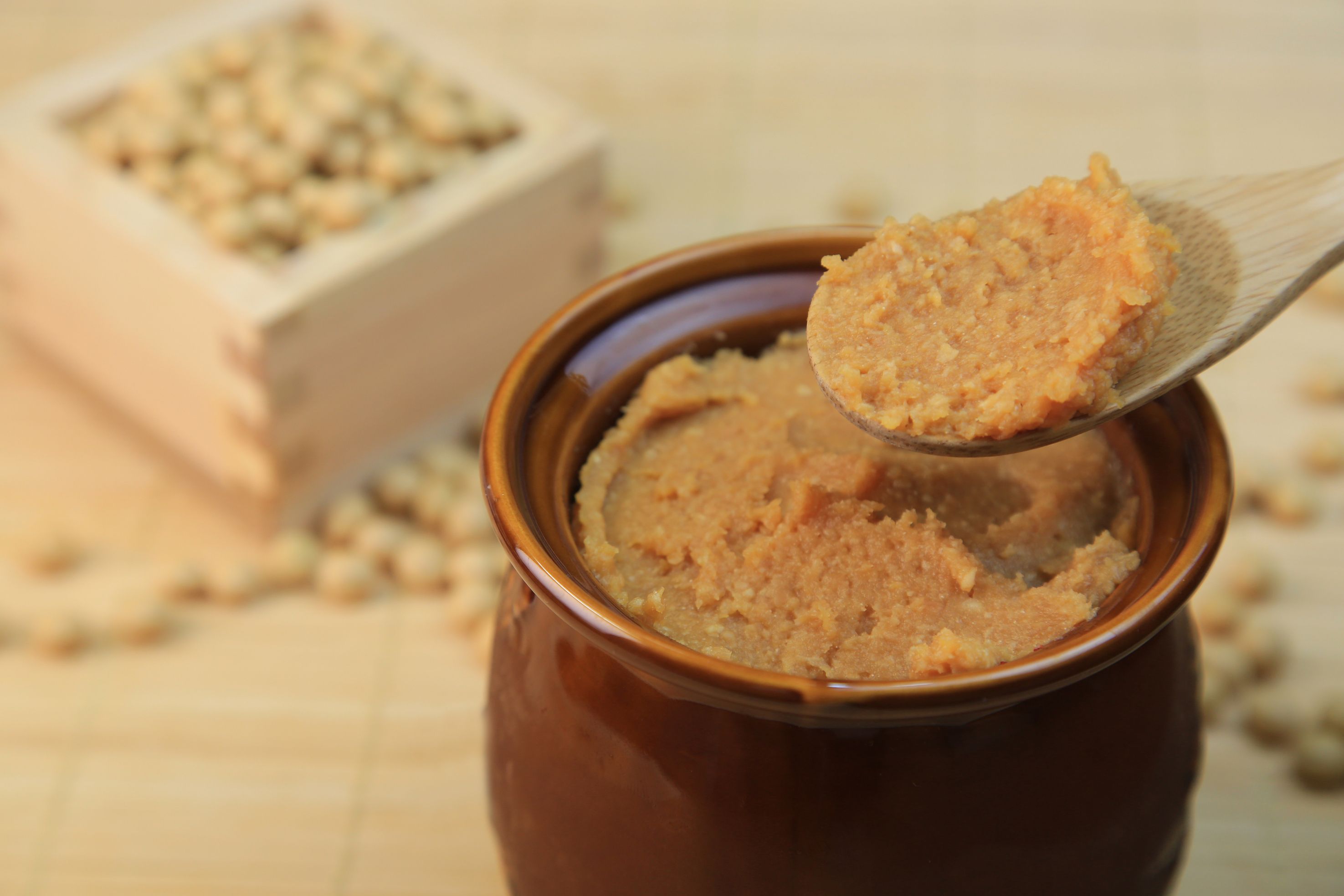
Miso, an incredibly versatile and nourishing traditional Japanese fermented food
 Read more
 -
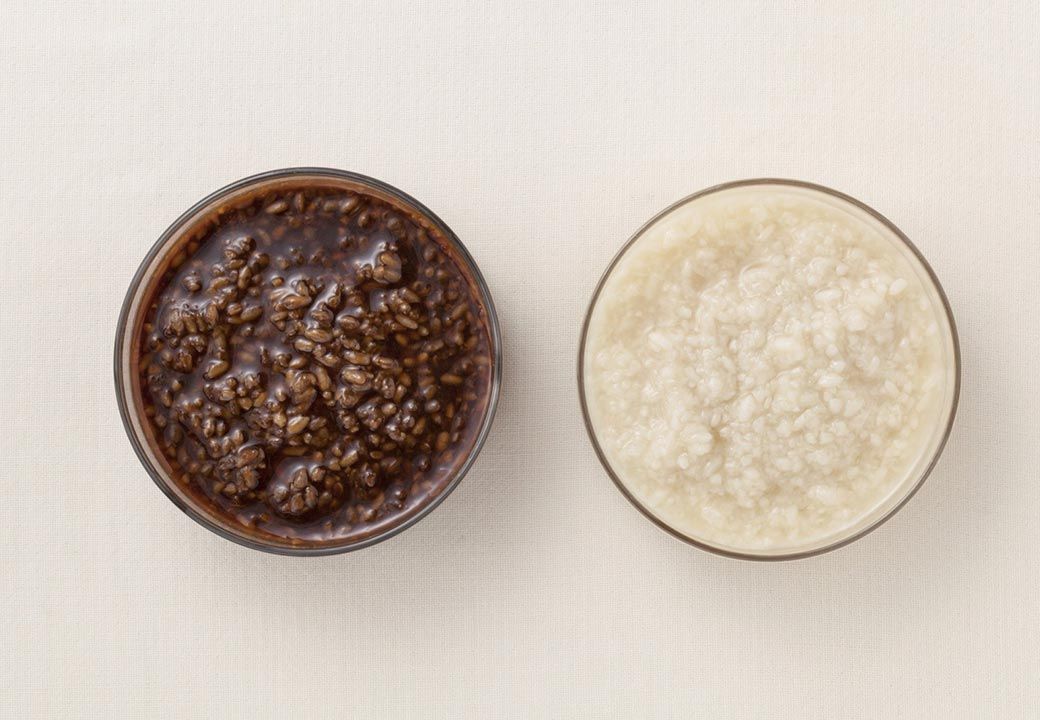
Just a Spoonful of 'Koji'?
 Read more
 -
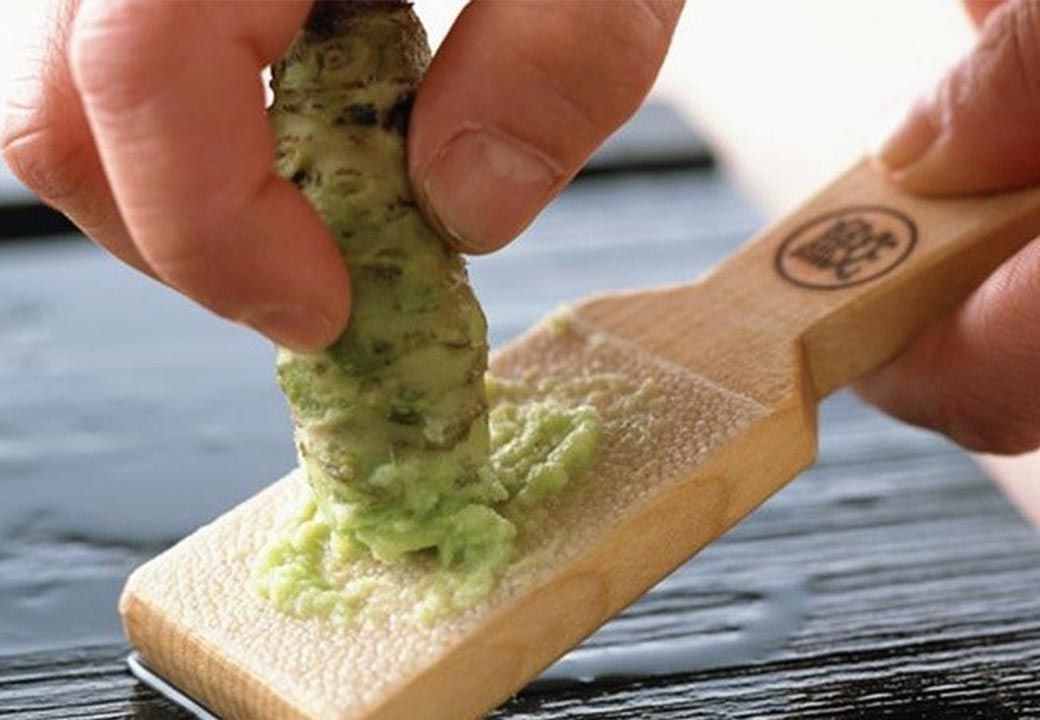
Yakumi: Condiments with a Healthy Twist
 Read more
 -
What Is Umami? The Japanese Fifth Taste Explained
Read more -
Dashi Made Easy: Bringing Authentic Japanese Flavors to Your Kitchen
 Read more