Shizuoka Wasabi: Discovering the Wonders of the “Real Thing”
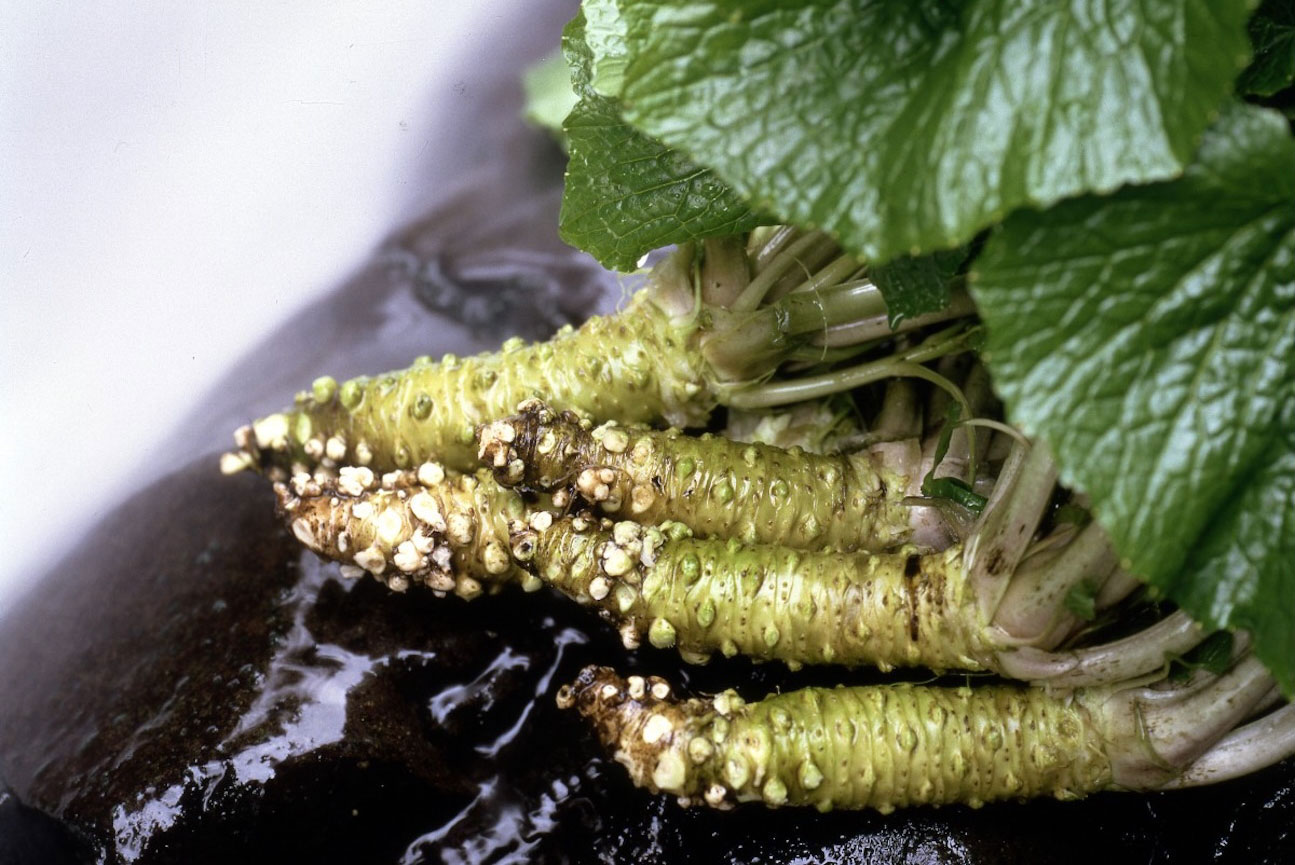
Freshly picked rhizomes of the wasabi plant. photo: Izu City
Italian Chef Giuseppe Molaro has had a well-traveled career since leaving Somma Vesuviana, his hometown in the shadow of Mt. Vesuvius. He joined the team of the well-known chef and restaurateur Heinz Beck, first working at La Pergola, the three-star Michelin restaurant in Rome. But he had bigger dreams. When he heard that Beck was planning a restaurant project in Japan, Molaro told him that he would do anything if it meant he could go to Japan. “I really wanted to go to Japan,” he says. “I was intrigued by everything about Japanese cuisine, including the micro-seasonality of the ingredients and the amazing Japanese knives.”
A Memorable Encounter with an Unusual Plant
After stints at branch restaurants in Pescara, Portugal, and Dubai, Molaro finally got his chance: he was sent to Japan to open Sensi by Heinz Beck, a bistro in Tokyo, as chef. Soon after his arrival, he went out for sushi, and the condiment that came with it was the real thing—freshly grated rhizome of the Wasabia japonica plant native to Japan. His previous experience with wasabi had been the imitation version made from horseradish, commonly sold in tubes or in powdered form, and he hadn’t been impressed. “This time it was a completely different experience,” he says. “I realized that it’s not just a spice, but a unique flavor that explodes in your mouth with a lot of umami. It completes the dish in a beautiful way.”
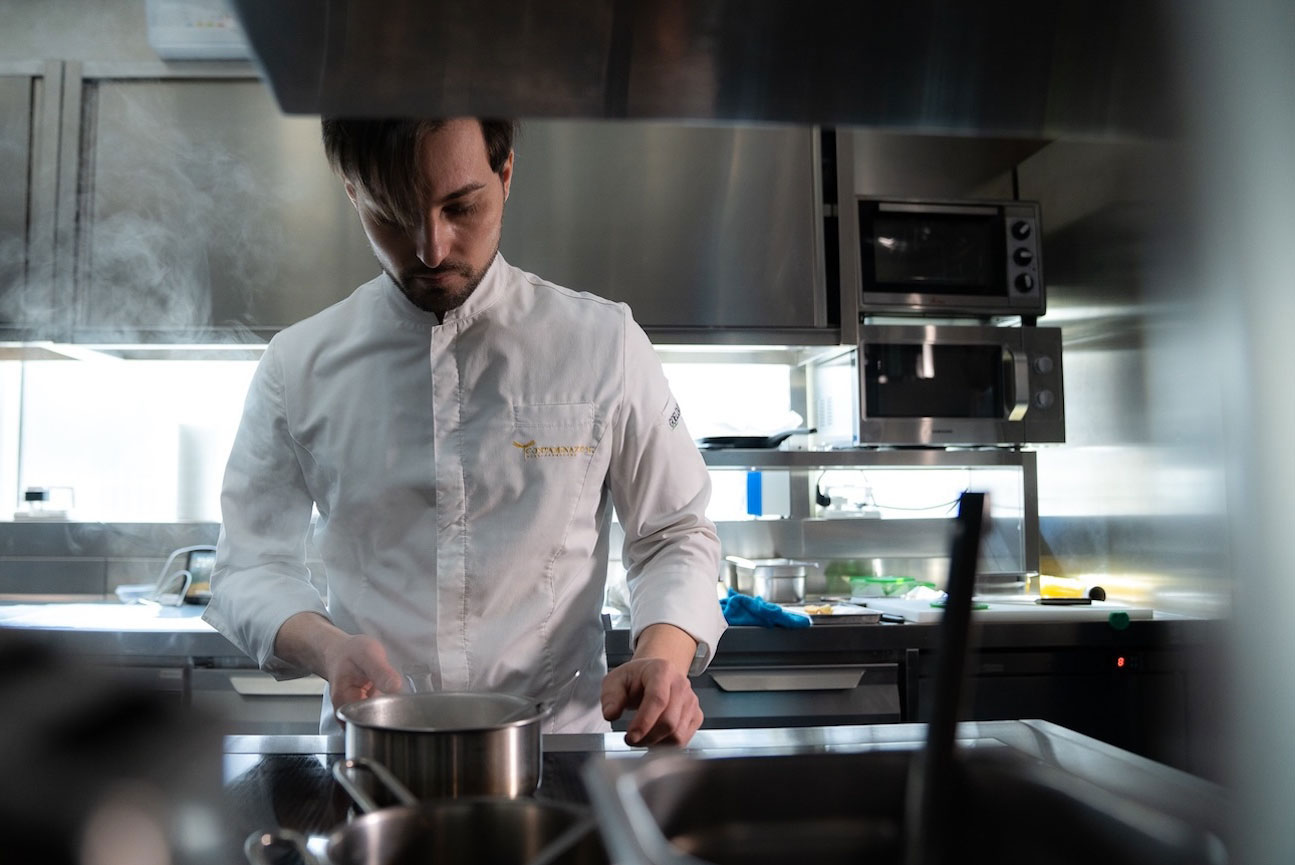
Italian chef Giuseppe Molaro, influenced by his interest in world cuisines, opened Contaminazione Restaurant in his home town of Somma Vesuviana in 2019. photo: Wearefactory
That encounter marked the beginning of a deep relationship with Japanese food culture. “I was like a kid in an amusement park,” he says. “I was so hungry to learn. The first year, we went out every night after work to have dinner, which is how I learned to understand Japanese flavors, ingredients and how Japanese people eat.”
Although Sensi was an Italian restaurant, the menu depended heavily on Japanese ingredients. Molaro also relied on his Japanese staff to prepare makanai (staff meals), and learned much from them about Japanese cooking. “I discovered how to bring out the umami, and how to source various ingredients. And I wanted to learn more.”
An Eye-opening Journey to Shizuoka’s Wasabi Fields
That curiosity led him to travel around Japan, meeting farmers and learning about the country’s many unique ingredients, growing methods, and culinary philosophy. One of these journeys took him to Shizuoka, the home of traditional wasabi cultivation. “I remember it like it was yesterday,” Molaro says. “I could smell this unbelievable freshness from the moment we arrived at the field.”
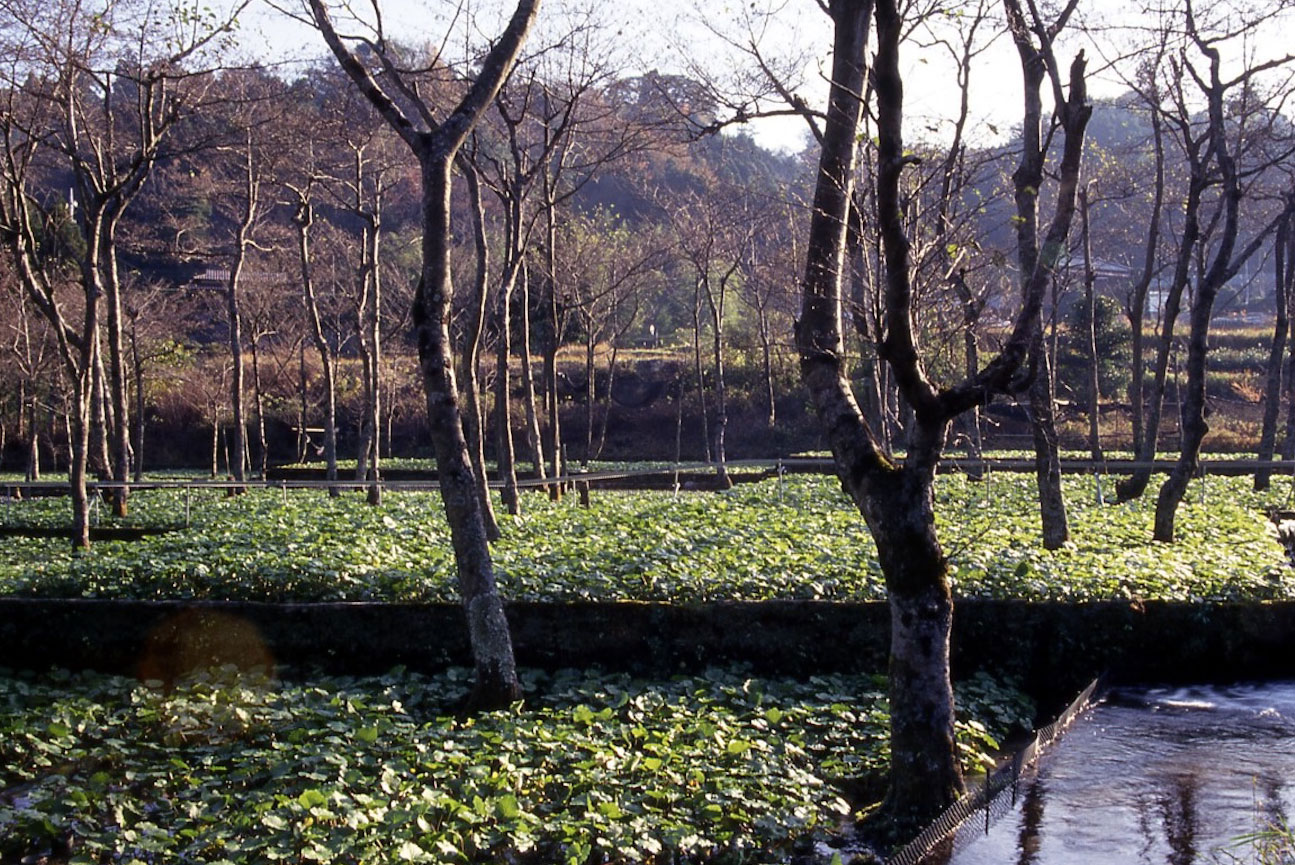
In Izu City, Shizuoka Prefecture, wasabi is grown on beds of rock and sand, nourished by nutrients in the water from pristine mountain streams. photo: Izu City
Guided by the farmer, he and his sous chef picked wasabi plants, cleaned and grated them and tasted the fresh paste. “There’s nothing like it,” he says, pointing out wasabi’s fragility. “It changes quite rapidly, and a day later will be very different.”
The Shizuoka wasabi farms are known for following the traditional tatami-ishi style of cultivation, developed more than a century ago. The method relies on mountain-side terraces built of stone with a sandy surface soil through which consistently cool spring water flows—providing nutrients and oxygen, and requiring no additional fertilization. The impressive yield and quality, along with the biodiversity that the system sustains, have earned it certification as a Globally Important Agricultural Heritage System by the Food and Agriculture Organization of the United Nations.
Molaro was also struck by the variety of flavors that came from one plant. “The difference was amazing, depending on the part of the plant. Some areas were sweeter while others had more spicy heat. We even ate the fresh leaves like a salad.”
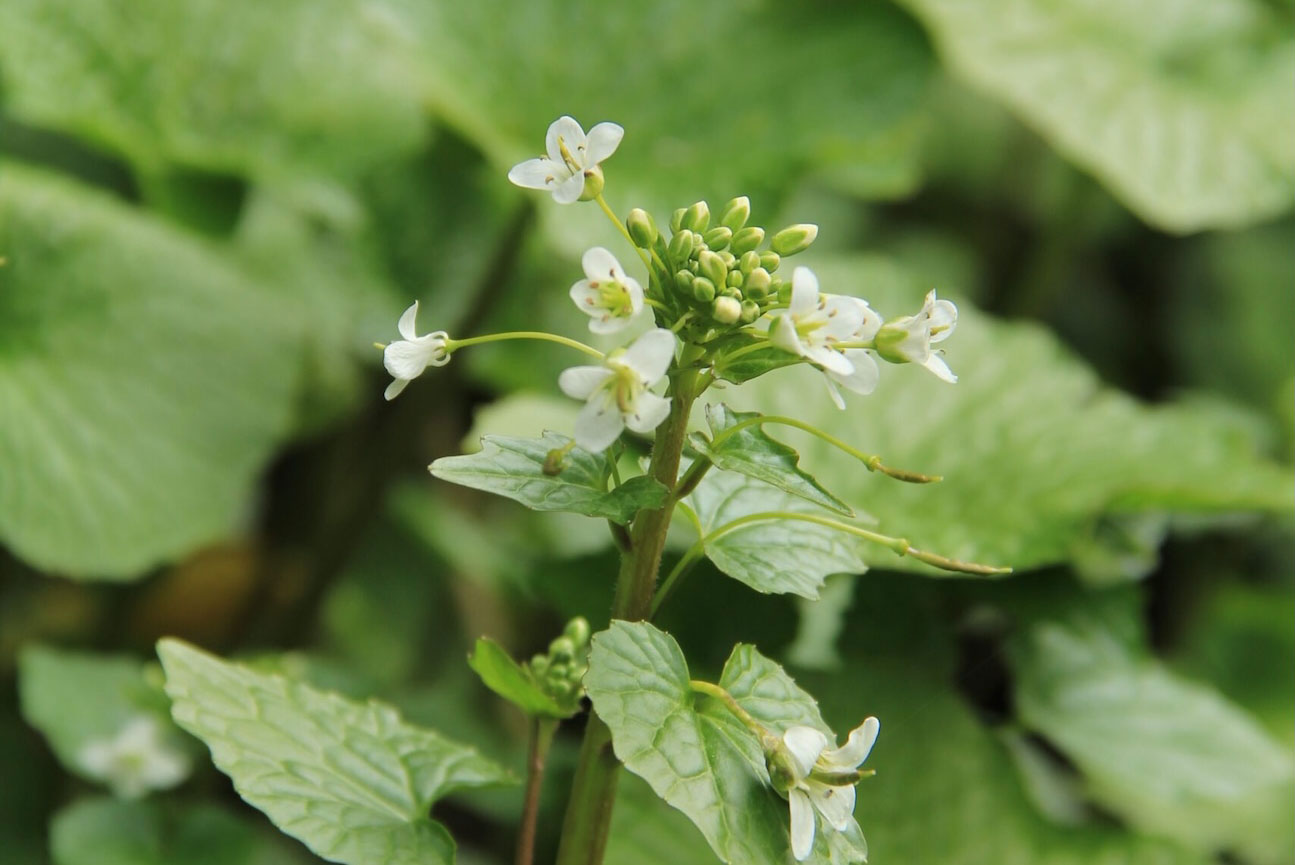
In Japan, most of the wasabi plant is used. Besides the rhizome, which is usually served grated, the flowers are also used as garnish, or even in tempura. photo: Izu City
Back in Tokyo, he was so inspired that he immediately created a new dish. “We served a fish with crispy skin, prepared with cauliflower-broccoli cream, topped with a wasabi “snow” foam,” he recalls. “The nitrogen foam was so cold that you’d feel a burst of spicy flavor in your mouth, followed by an instant fresh cleanliness. It made you want to eat more.”
A Return Home, and Continuing Influence
A year and a half after his arrival, he was promoted to executive chef at Tokyo’s Heinz Beck Restaurant. After four years and three months in Japan, Molaro decided to return to his home town in Italy, where he opened his own acclaimed Contaminazioni Restaurant in 2019. The distinctive name reflects his belief that his experiences abroad—learning other national cuisines—“contaminated” and enriched his Italian cooking. “My cooking style is the perfect combination of my experiences around the world,” he says. “For example, we use a lot of katsuo bushi dashi for umami, which is something I learned in Japan. But we also draw from Spanish, Portuguese, and Mexican influences, to name a few.”
Unfortunately, however, wasabi does not travel well, particularly over long distances, and Molaro admits he was spoiled by his experience in Shizuoka. If he did have access to the real thing, he says, “Risotto would be a great choice—maybe with a yuzu-based sauce, and an aged balsamico reduction for sweetness to complement the flavor of the yuzu. Then I would top it off with a little wasabi, so you would get that umami and an explosion of flavor in your mouth.”
He also says he would like to use wasabi with wagyu—a dish he enjoyed eating in Japan. “But wasabi can go with anything, even dessert,” Molaro says. “I could go on ice cream or in a really sweet chocolatine filled with a wasabi ganache. It would be fun if you didn’t tell the diner what’s inside.”
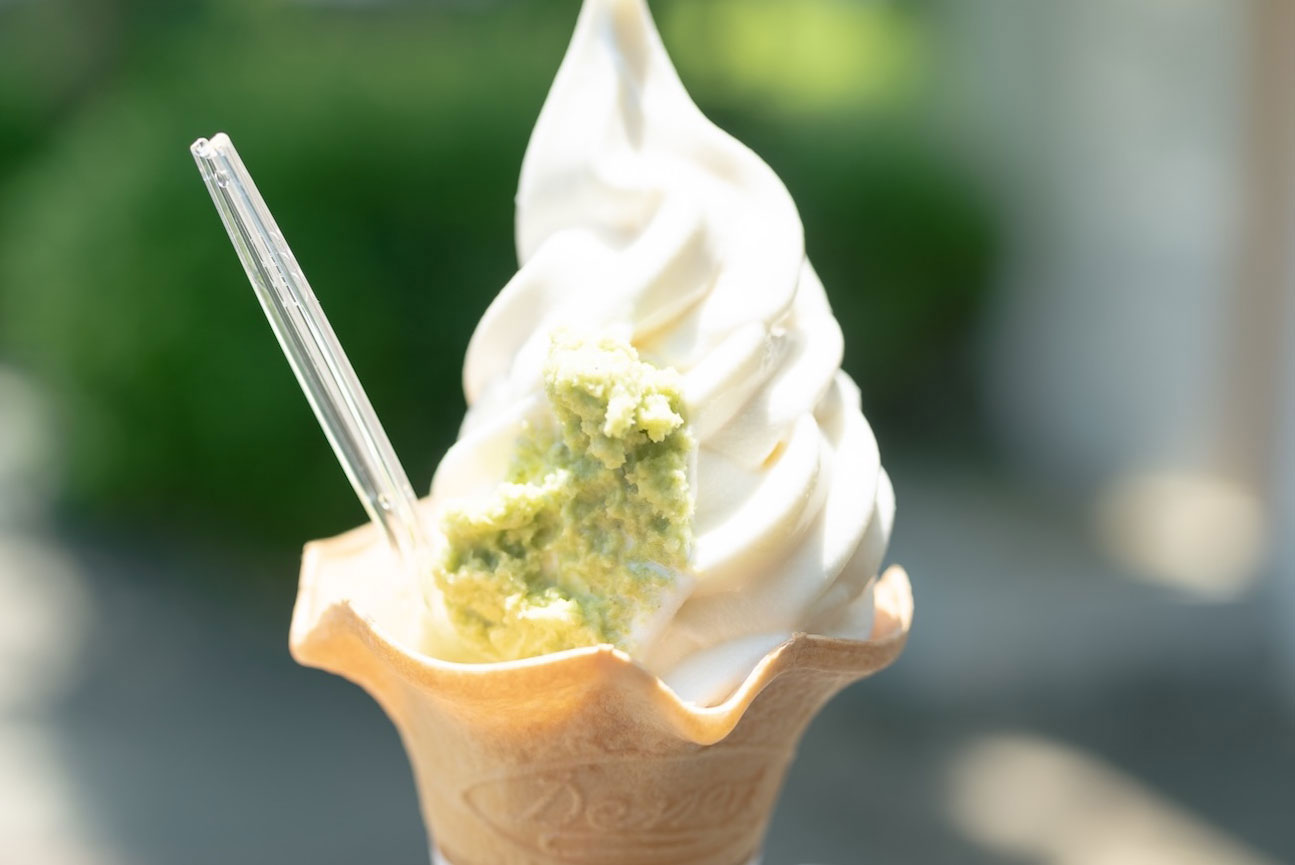
Wasabi soft serve ice cream can be found at a number of shops in Shuzenji, Izu City, Shizuoka Prefecture. photo: Shizuoka Prefectural Tourism Association
Finally, when asked what he would tell someone who’s interested in knowing more about this extraordinary condiment, Molaro doesn’t hesitate. “They should definitely visit one of the wasabi farms in Shizuoka,” he says. “They should talk to the farmers, try the fresh wasabi, and visit one of the local restaurants that serves wasabi dishes, including soups made with the leaves of the plant. Then they’ll understand the difference between the ‘fake’ wasabi that’s found all over the world and the real thing.”