Miso and More: How Fermentation Made Nagano the Land of Longevity
Nagano is a mountainous, landlocked prefecture west of Tokyo at the meeting point of Japan’s northern, central, and southern alps. Wintry isolation amid snow-capped peaks inspired a vibrant tradition of delicious preserved and fermented foods—which, in turn, may be partly to thank for Nagano’s startlingly high life expectancy, exceeding any other prefecture. With fermentation fans growing in number worldwide, has the time come for Nagano to take center stage?
The Rise of Shinshu Miso
“As a mountain province, Nagano—or Shinshu, as it was formerly known—developed a tradition of preserving foods for winter out of sheer necessity. But the story of how ‘Shinshu miso’ became the most popular variety in Japan has a social component, too.”
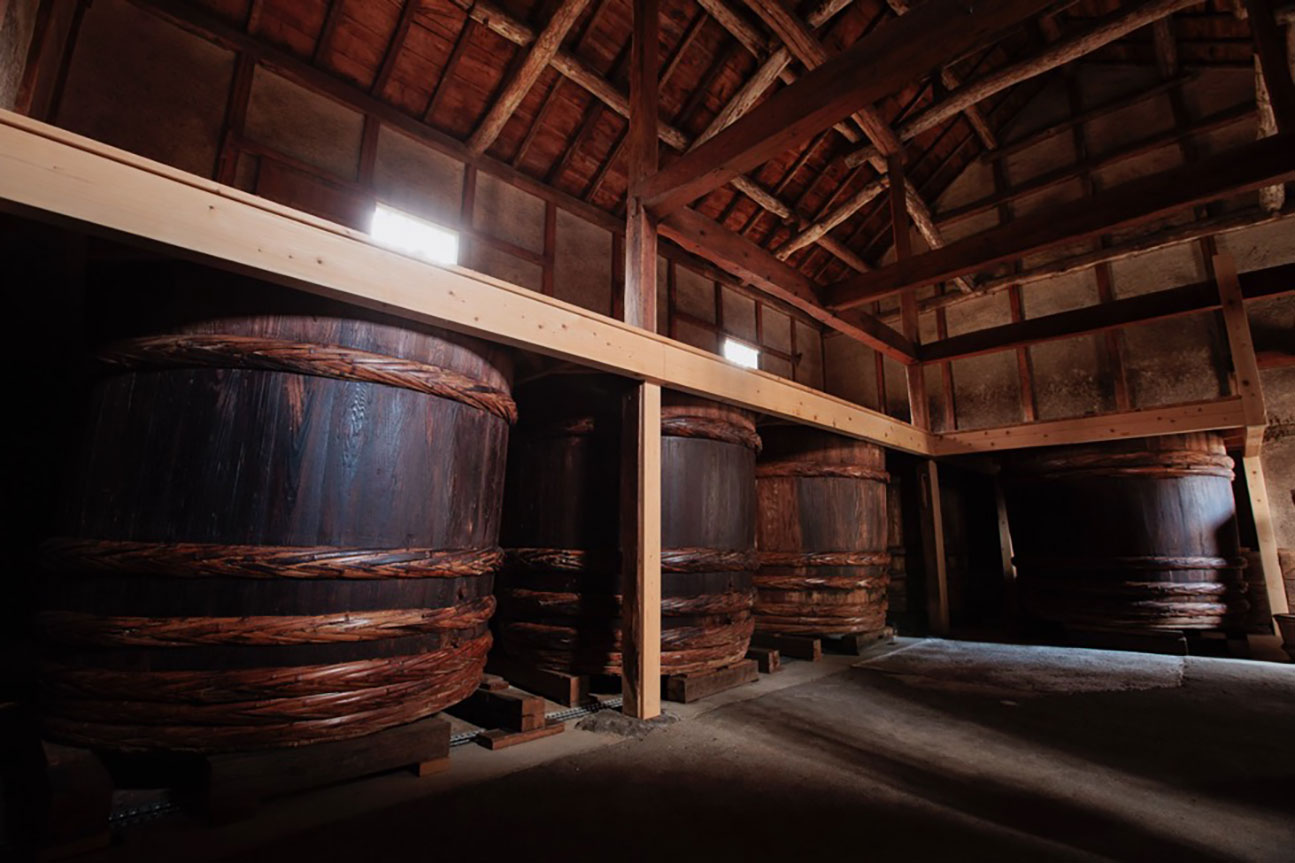
Taro Uehara is the eleventh-generation head of Shioya Jozo, a company that was founded as a salt wholesaler in the eighteenth century and expanded into the miso and soy sauce business shortly thereafter. Some of Shioya Jozo’s kura —sturdy plastered warehouses in which miso and other products are stored while fermenting—date back to the Edo period (1603–1868), and it rents out others for local events ranging from lecture tours to breakdancing competitions.
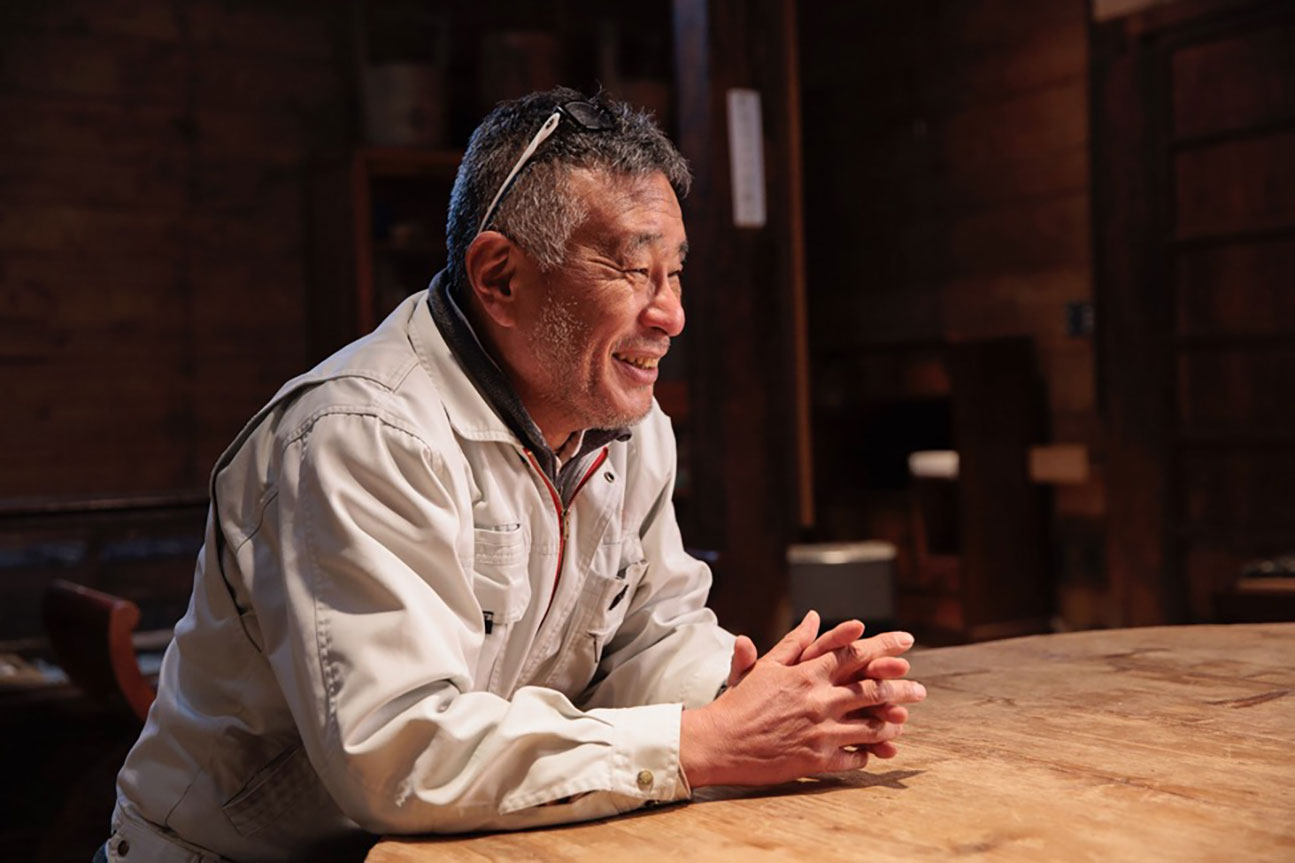
Taro Uehara, head of Shioya Jozo, in one of the spaces the company makes available to the community.
“In the past, Shinshu miso was made by individual households,” says Uehara. “Some say that the technique was spread across the province by the sixteenth-century warlord Takeda Shingen, who enlisted local villagers to prepare it as provisions for his army. In any case, up until a generation or two before mine, homemade miso was so common in Nagano that if you visited someone for dinner they might apologize for ‘only having store-bought miso to hand’!”
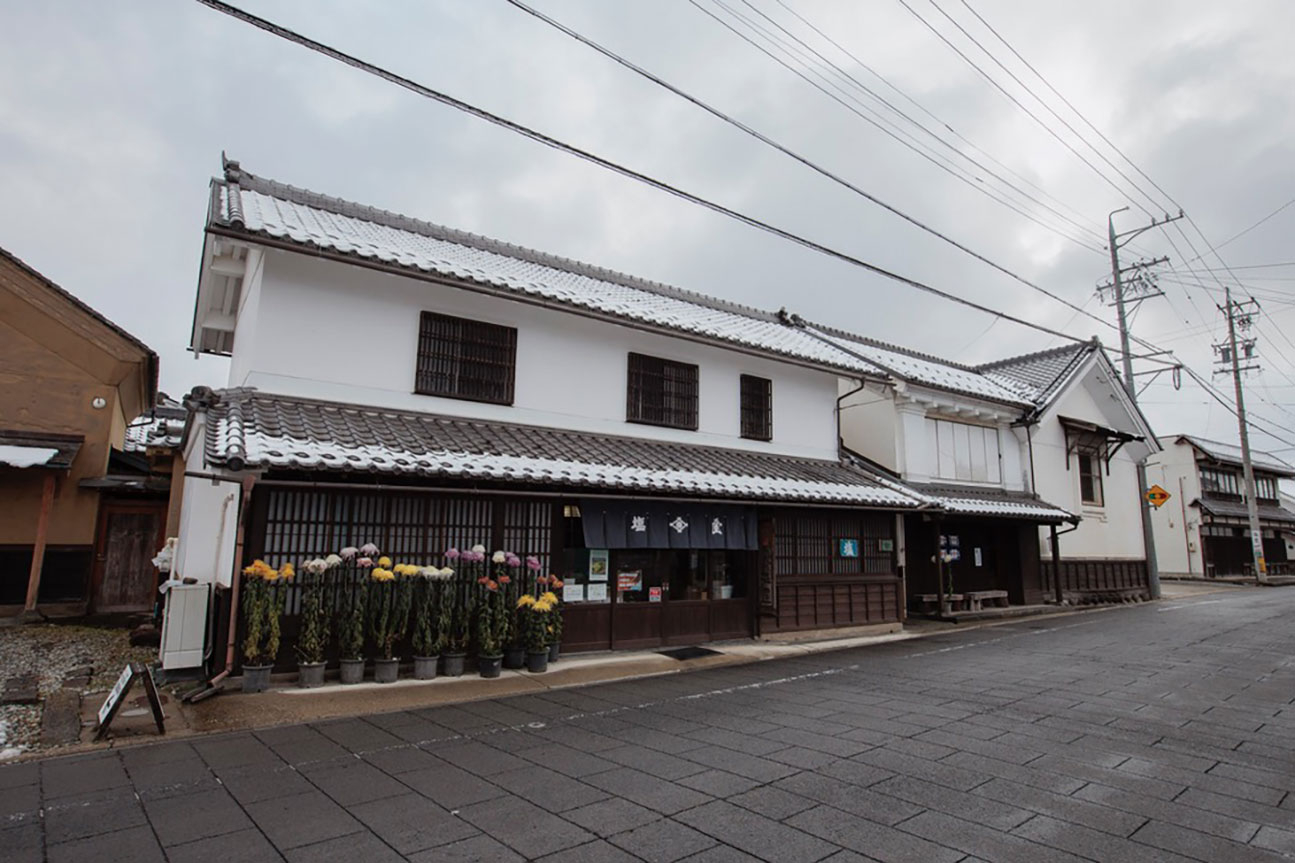
Shioya Jozo’s imposing shopfront, built more than a century ago and now a registered Tangible Cultural Property, preserves the traditional merchant architecture.
When the great Kanto earthquake struck in 1923, Tokyo’s local miso manufacturers shared in the city’s devastation. As part of relief efforts, Nagano sent shipments of Shinshu miso. It became so popular that it was adopted by the city as the new standard, and soon spread to the rest of the country. “Even places like Kyoto, with thriving local miso traditions of their own, use Shinshu miso as well,” says Uehara.
Miso-Making Experience
Along with kura tours, Shioya Jozo offers complete miso-making experiences. Visitors can try their hand at nearly every stage of the miso-making process: turning the boiled soybeans into mash with a giant crushing machine, mixing the mash with koji-covered rice, and packing the mixture into wooden barrels, packing it down tight to ensure that no stray oxygen interferes with fermentation. They are then given the result to take home and keep for a year while it ferments, after which they can taste the fruits of their labor.
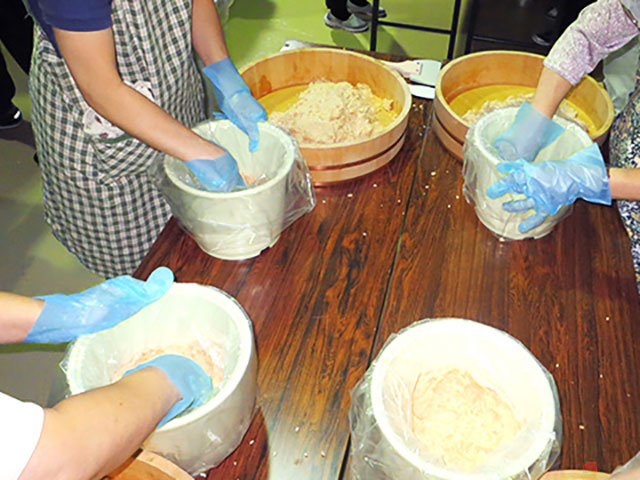
Mixing mashed soybeans with kome-koji . photo: Shioya Jozo
“We get all kinds of visitors from overseas,” says Uehara. “Some are simply curious about what a traditional miso kura is like, but most have some interest in fermentation. In recent years we’re seeing a sharp rise in people who are already highly knowledgeable about miso. One even told me about making miso in the US from lentils!”
Even the most dedicated miso connoisseurs, however, usually enjoy seeing kura and barrels that have been used to make miso for a century or more. And every kura , Uehara explains, has its own kuraguse—a special, identifiable flavor created by the unique population of yeast inhabiting that building.
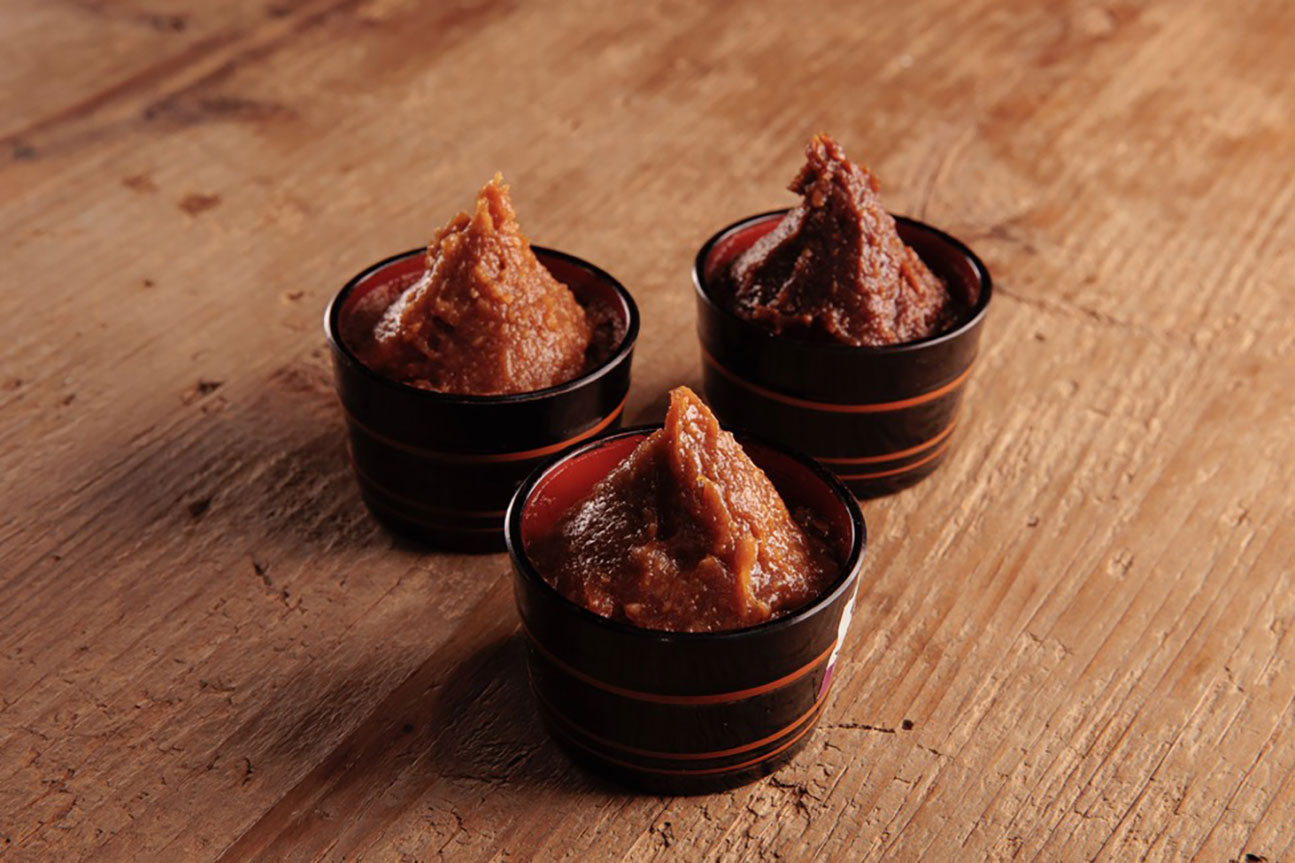
From left: Enoki miso, blended with a paste of enoki mushrooms from northern Nagano during fermentation: Tamazukuri miso, made with the traditional tamazukuri method; Koji miso, the “standard” Shinshu miso that visitors to Shioya Jozo can experience making for themselves.
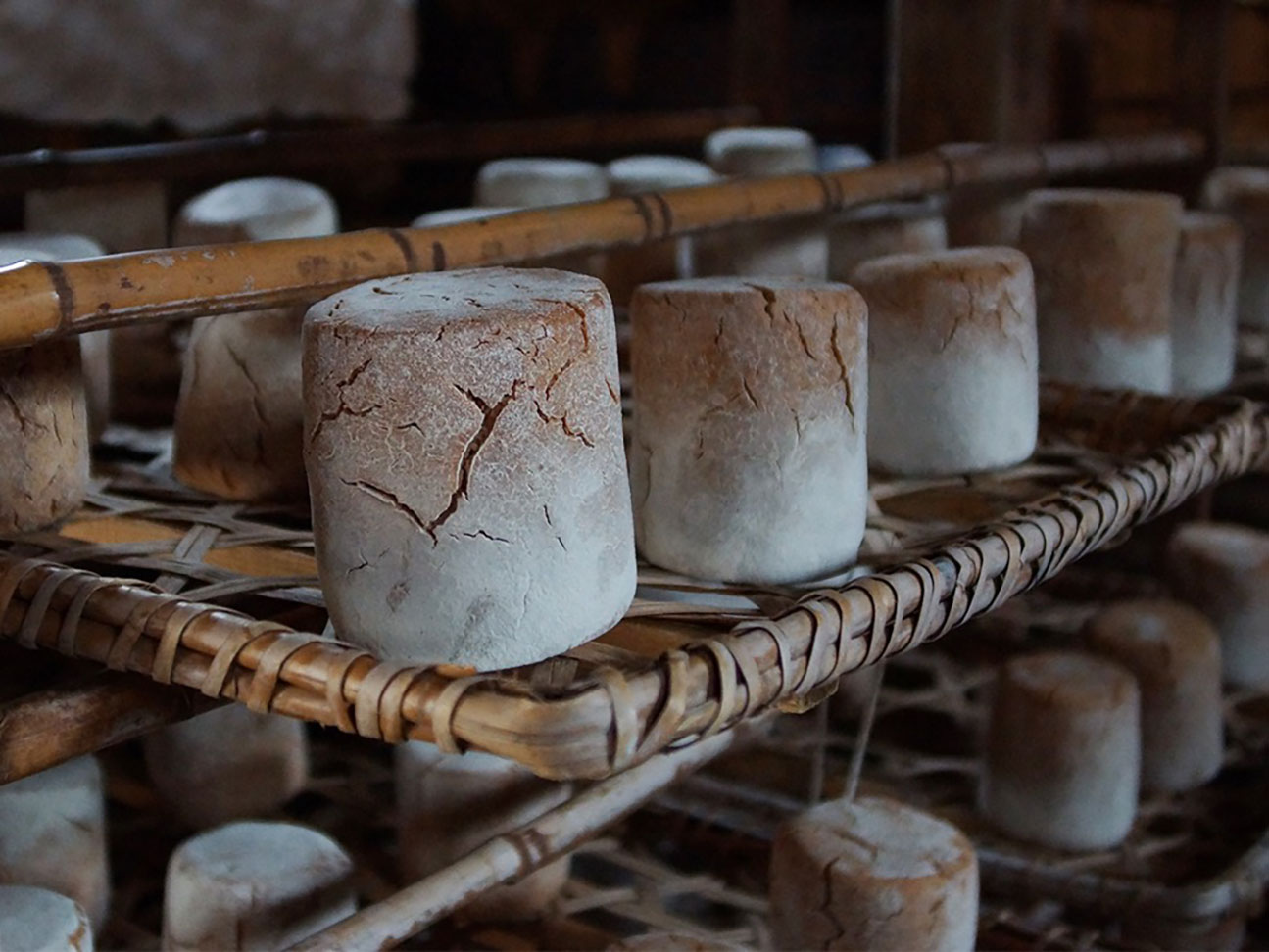
The tamazukuri method of making miso involves creating these misodama (“miso balls”) that are left to dry for two weeks before they are finely crushed, mixed with kome-koji and salt, and packed into barrels.
The Tastes of Shinshu Miso
Shioya Jozo publishes recipes in each season’s catalogue that suggest innovative new ways to enjoy its products. Honey miso pizza toast, for example, combines Shioya Jozo’s pre-mixed honey and miso with tomato and cheese—a delicious combination of two fermented foods.
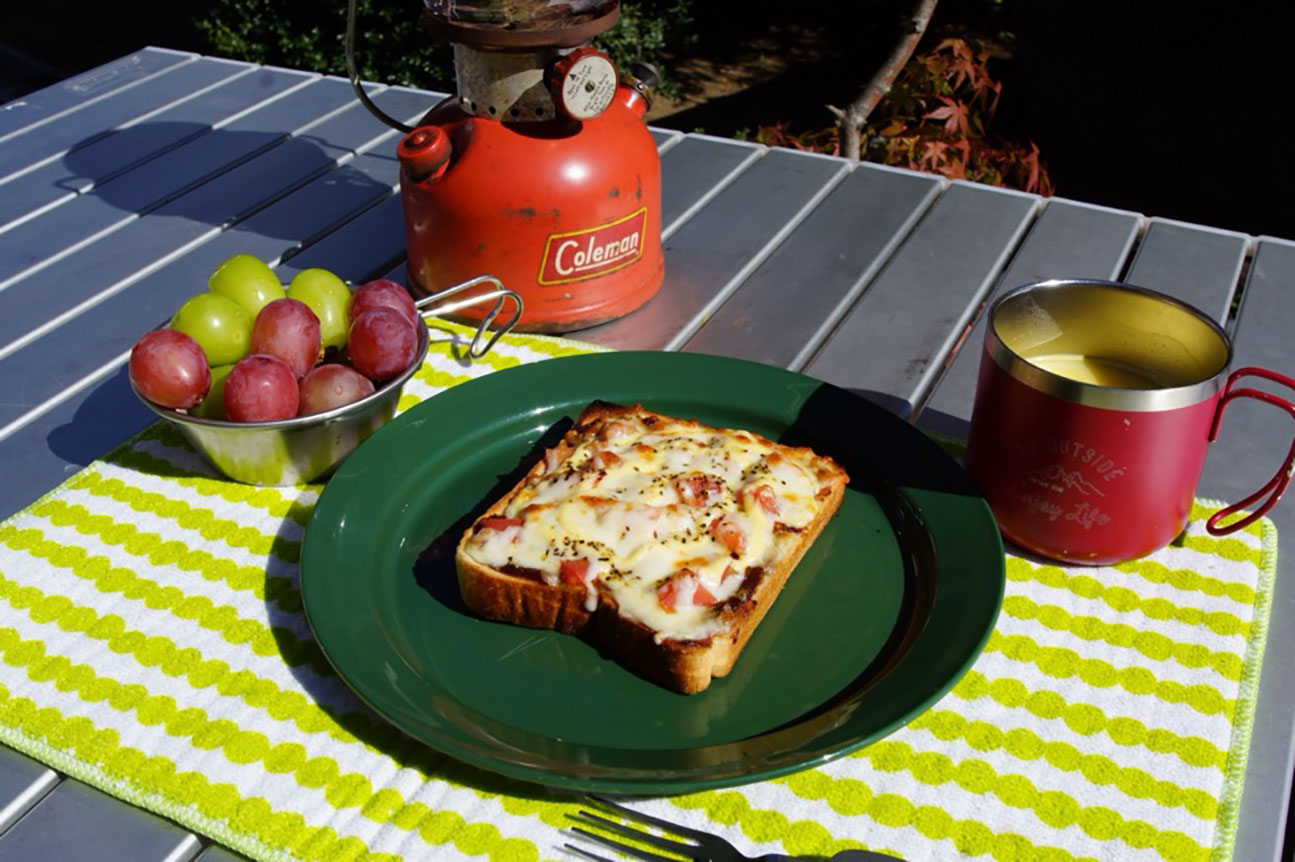
Honey miso pizza toast is just one new and delicious suggestion from Shioya Jozo. photo: Taro Uehara
There are many other local culinary traditions involving miso. Miso sukiyaki don is an umami-rich variation on sukiyaki with the vegetables simmered in miso instead of soy sauce and served on a bed of rice. Mackerel miso soup is also a Nagano tradition. “It’s just a can of mackerel and some chopped nemagari-dake [Kuril dwarf bamboo] or chopped bamboo shoots in miso soup,” says Uehara. “But it’s so popular in Nagano that when bamboo shoots come into season around May, the supermarket shelves are piled high with mackerel cans.”
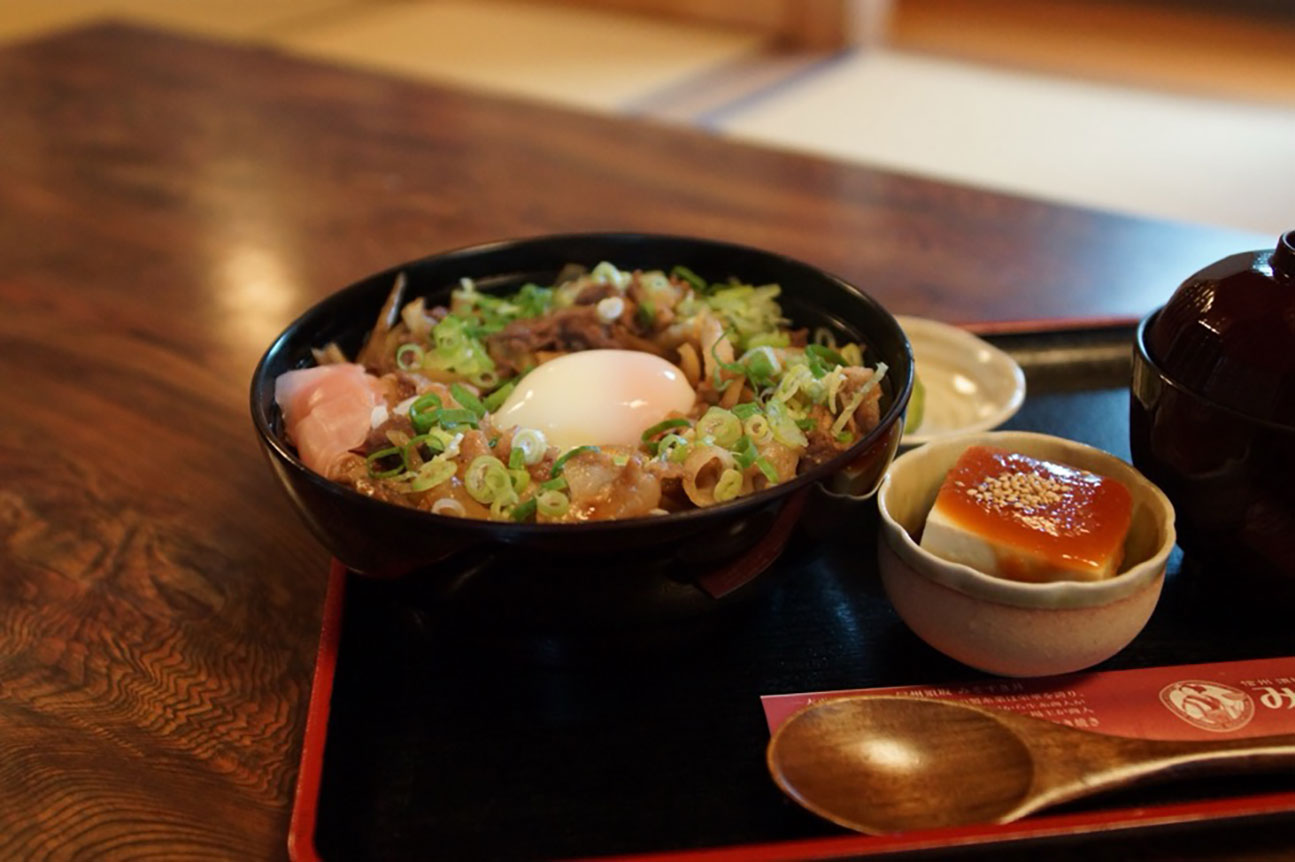
Miso sukiyaki don is a rich and filling local delicacy. photo: Taro Uehara
Fermented Frontiers: Sake, Wine, and More
Miso and soy sauce aren’t the only fermented products found in Nagano. The extensive local dairy industry now includes several respected gourmet cheesemakers. Turning to beverages, not only is Nagano a major producer of sake, it is also one of Japan's foremost wine-producing prefectures.
“Suzaka is located on what’s known as an alluvial fan, with stony soil,” says Uehara, a certified sommelier himself. “This makes it harder to grow rice around here, but mulberry trees for silkworms thrive, as do orchards and of course vineyards. I have great respect for the Obuse Winery in particular.”
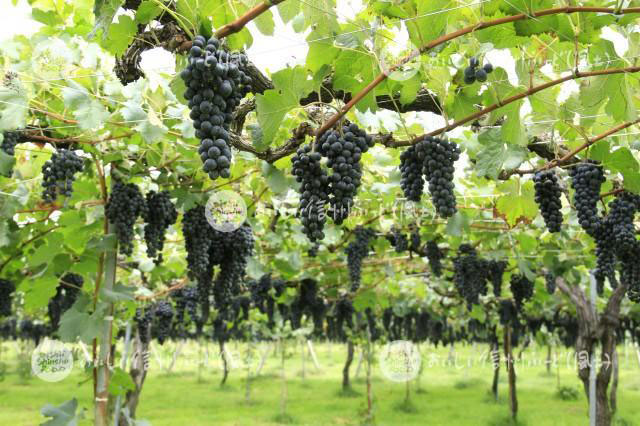
Nagano is one of Japan’s top wine-producing prefectures. photo: Agricultural Administration Department, Nagano Prefecture
“Ferment Valley” and the Fermentation Boom
“Ferment Valley” is a joint project designed to promote Nagano’s fermented traditions more widely, and Uehara is a major supporter. In fact, he sees Nagano as perfectly suited to welcome the worldwide boom in fermented products, both for health and taste reasons.
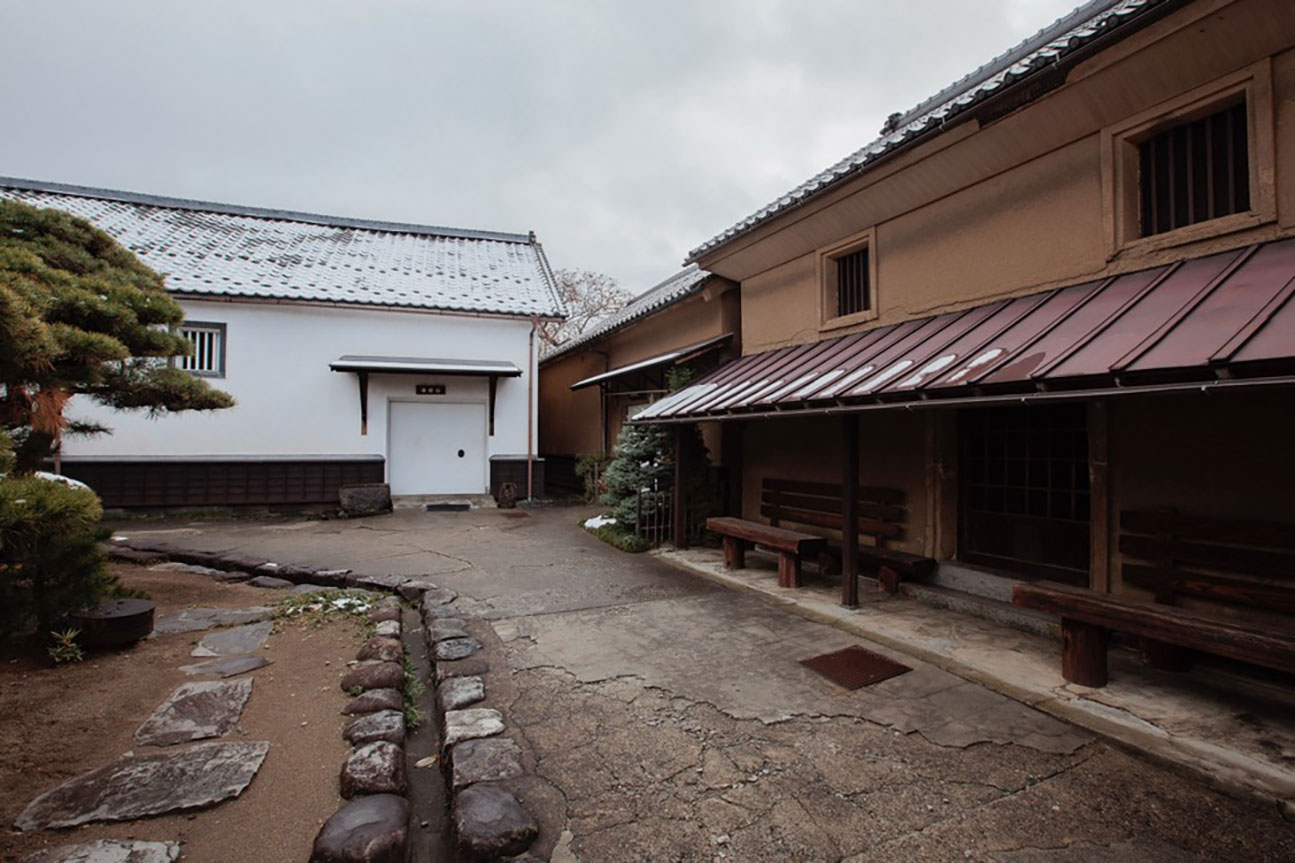
The courtyard at Shioya Jozo. The former grain storehouse on the right was built during the Meiji Period and is another Tangible Cultural Property.
“We produce a huge variety of fermented foodstuffs here in Nagano, and they play an enormous role in everyday life,” says Uehara. “We’ve been doing this for generations, and we’d never put our family names to anything we don’t stand behind with pride. I think the next step is working on mutual support between tourism and fermentation. To all those interested in miso and other fermented products, my message is: Come visit, and see the beautiful surroundings they’re made in! You’re sure to appreciate the savor of fermentation more than ever.”
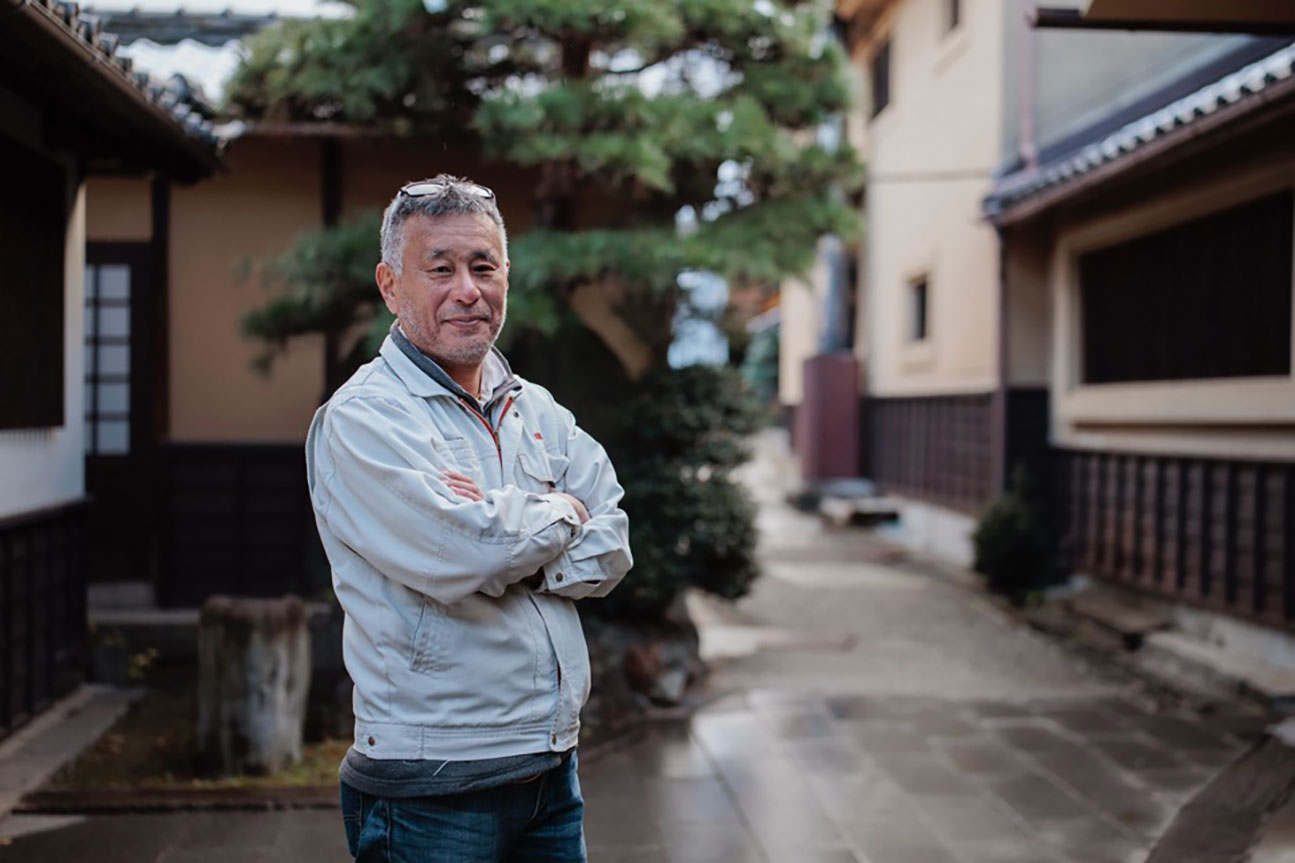
Taro Uehara in the courtyard between Shioya Jozo’s kura .