


Interview of Supporter Stores
Nishimura
Persist in using Japanese ingredients that arrive daily by air only
Hong Kong / China
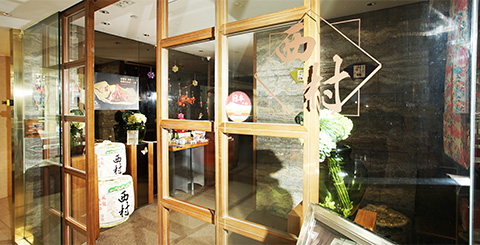
Pioneer of Japanese food
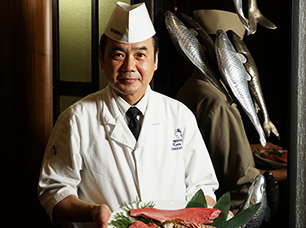
With 32 years history in Hong Kong, Nishimura Japanese Restaurant has been a pioneer in offering Japanese cuisine made with Japanese ingredients. Now, 25 years have passed since Chef Kato came to Hong Kong as a sushi chef. To adhere to the traditions, meticulous selection of ingredients is necessary. From fish to meat, vegetable and seasonings, only Japanese products are used. Chef Kato has learnt from his culinary experience in high-class restaurants including those in 5-star hotels that, to make delicious sushi and sashimi, using fresh and safe ingredients is the most important.
Fresh Ingredients Supported by Air Transport
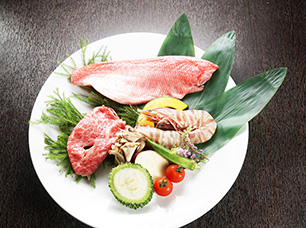
When the restaurant first opened, the logistics system was still immature, Japanese ingredients could only be purchased twice a week. Now with a comprehensive logistics system, not only can fresh ingredients be obtained, but the food quality is also improved. Some customers even say that they can now eat sushi fresher than that in Japan.
According to Choi Shiu Ha May (Managing Director of the Nishimura Japanese Restaurant chain group), since fresh and seasonal ingredients from Tokyo, Fukuoka, Osaka, Okinawa and Hokkaido are shipped to Hong Kong by air on a daily basis, all necessary ingredients can be obtained within a short time. In particular, they insist on providing seasonal ingredients when they are the most delicious. For instance, in autumn, dishes made with seasonal food such as crab, fresh chestnuts, precious “matsutake” mushroom are provided.
Lunch Boxes that Reflect the Season
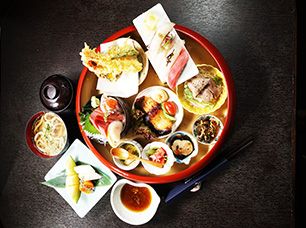
This time a colorful lunch box is introduced. It is popular among Hong Kong customers and is a collection of seasonal ingredients from all over Japan, including golden eye snapper from Tokyo, tomato from Hokkaido, bitter gourd from Okinawa, “Maitake” mushroom from Fukuoka, “Wagyu” from Miyazaki and Japanese prawns. The dessert after dinner, made with melon from Shizuoka and mandarin orange from Oita and “filled with the seasonal deliciousness of Japan from north to south", is Kato chef's pride. As a restaurant that has been certified, they are going to promote sake in addition to Japanese ingredients. In autumn, the restaurant will encourage customers to pair the oily Pacific saury from Hokkaido with sake from all over Japan.
Expectation of the Certification System
The restaurant has always been using Japanese ingredients since its opening, and many customers know well about our commitment to quality. This is why we are certified as a “Japanese Food Supporter Store”. I hope that new customers will be more confident of the restaurant knowing that we are using Japanese ingredients.
High expectations for the product development that matches the EU standards
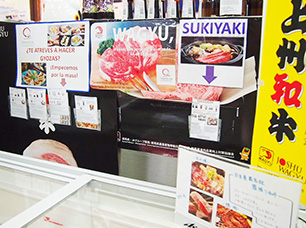
On the prospects for the future, President Sato thinks that it would be essential to have a good coordination between Japan that wants to export items and the EU that wants to control imports. The EU has strict import regulations, and compared to other countries, many items cannot be imported because they use certain pesticides or contain certain animal products. As a result, products manufactured by Japanese companies in Europe are distributed more in the market than the food ingredients from Japan. Furthermore, while in the EU, products usually carry expiration dates, and in Japan, they generally carry best-before dates that are shorter than expiration dates. Such shorter length of best-before dates can also be an obstacle for the import. President Sato says, “If these issues are resolved, I have a lot of food items that I would like to import.” He has high expectations for the increase of imports following the conclusion of the EPA between Japan and the EU, and the increase in the number of products that are developed and manufactured for export purpose.
Nishimura Japanese Restaurant
Shop 602, The Marco Polo Hong Kong Hotel, Harbour City, Tsimshatsui, Kowloon, Hong Kong
852-2735-6899
http://www.nishimura.com.hk/