


Interview of Supporter Stores Endo
Authentic Japanese cuisine, starting with dashi, cultivates new fans of Japanese food in the United States
Interview day: December 15, 2025
Las Vegas / USA
Upholding Authentic Japanese Cuisine in Las Vegas
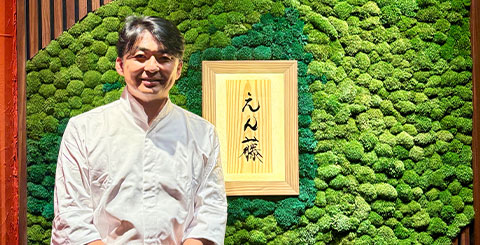
Endo is an intimate kappo-style restaurant centered around a counter, with private rooms that offer a secluded dining experience. Chef-owner Endo began his culinary career in the United States in Seattle, later working in New York before relocating to Las Vegas. After experiencing the hardship of losing his position during an economic downturn, he chose to establish his own independent path in order to continue cooking in Las Vegas. Today, he leads four restaurants, including his first location, Aburiya Raku. At a time when sushi has become widely recognized as synonymous with Japanese cuisine, Endo deliberately avoids offering sushi casually. Instead, he has chosen to express “authentic Japanese cuisine” through his own culinary philosophy without relying on sushi as a centerpiece. In a city where internationally acclaimed chefs and foodies gather, Las Vegas has become an environment that both challenges and supports his approach. Rather than emphasizing theatrical presentation, he delivers a uniquely Japanese experience through carefully selected tableware and dishes that can only be encountered on that particular evening. Despite being located in a tourist-driven city, the restaurant is sustained by loyal regular guests who entrust themselves to the chef’s omakase each visit. It is a quietly intense presence in the city’s culinary landscape.
An Omakase Experience Beginning with Dashi
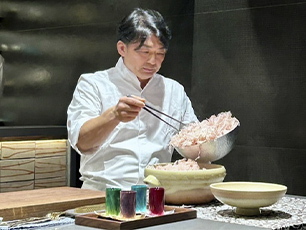
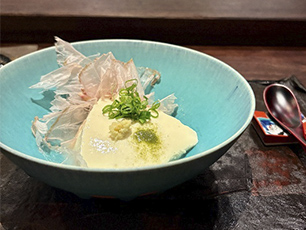
At Endo, there is no fixed menu; the foundation is an omakase course that changes according to the season and the day’s ingredients. The meal begins with a first dashi made from freshly shaved bonito flakes and Rishiri kelp. The kelp and honkarebushi—bonito aged for at least three years—are shaved to a precision of 0.1 millimeters. Without adding salt, the broth reveals a deep and layered umami that becomes the reference point for the dishes that follow, including soups and grilled items. Soy sauce and salt are carefully selected and used in multiple variations depending on the dish. For example, when serving house-made tofu within the course, guests are guided through layered seasonings such as matcha-infused salt and yuzu dashi soy sauce, encouraging a way of eating that allows them to recognize subtle differences. Approximately six types of soy sauce are used, including sweeter profiles for sashimi that are gently heated or diluted to achieve a rounded finish, as well as aged varieties matched to specific preparations. Guests who experience these nuances sometimes remark that once they recognize the differences, they cannot return to their previous way of tasting. Even when regular guests encounter the same ingredients as in a prior visit, the chef reassigns their role within the course, creating a new culinary landscape and ensuring each visit brings a fresh sense of discovery.
Why He Commits to Japanese Ingredients
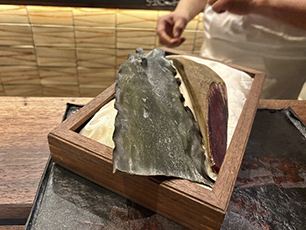
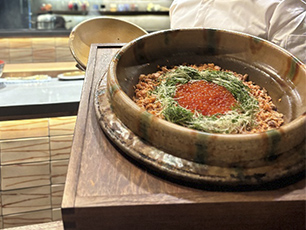
Endo’s commitment to Japanese ingredients stems directly from his belief in serving authentic Japanese cuisine. The rice used is “Yukitsubaki” from Niigata Prefecture, and his cooking incorporates wagyu, seafood, soy sauce, salt, katsuobushi, and kelp sourced from Japan. He even integrates spring water traditionally used in sake brewing into his dashi, reflecting a thorough dedication to incorporating Japanese elements down to the very water. At the same time, fresh produce from Japan faces significant import restrictions, so vegetables are primarily sourced from carefully selected Japanese-American farms in Los Angeles. The reality of procuring Japanese ingredients is paradoxical: the items most desired are often the most difficult to obtain. Strict U.S. regulations concerning labeling and ingredient management create high barriers for imported food products. Endo travels to Japan several times a year to seek out new ingredients. For items not yet distributed in the United States, he works directly with producers and trading companies, adjusting labeling and specifications to comply with U.S. import regulations and introducing them through proper legal channels. Although the process requires considerable time and effort, he considers it essential to ensuring that Japanese ingredients are brought overseas in the right way.
The Characteristics of Las Vegas as a Tourism-Driven City
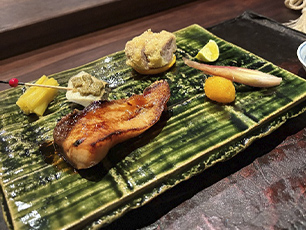
Las Vegas’s economy is highly dependent on tourism, and overall consumption fluctuates significantly depending on major conventions and large-scale events. The restaurant industry is no exception. In recent years, rising accommodation costs have led to periods of slower tourism demand, and for restaurants located in tourist-centered areas, business performance is inevitably tied to seasonal and economic trends. At the same time, across Nevada, rising living costs in other states have led to increased migration from California and Hawaii. At Endo, approximately 90 percent of customers are local Americans, including employees of star-chef restaurants and luxury hotel establishments. As a result, the restaurant is less directly affected by fluctuations in tourism demand. While situated in a tourism-driven city, Endo has cultivated a business rooted in the local community. Rather than relying solely on visitors, it builds lasting relationships with guests who return as part of their everyday lives, creating a stable foundation that supports the restaurant’s continued evolution.
Experience as the Driver of Japan’s Culinary Market Abroad
In recent years, many guests visiting Endo have been motivated by memories of experiencing Japanese cuisine during trips to Japan. Through repeated encounters like these, their interest in the techniques and ingredients behind the flavors deepens. Endo believes it is important not to assume that non-Japanese diners are unable to perceive subtle differences. Instead, he focuses on sourcing carefully selected Japanese ingredients and preparing them with the most appropriate techniques, allowing guests to experience the cuisine directly. He maintains that true understanding comes not from explanation or presentation alone, but from experiencing authentic Japanese cuisine as it is. Guests who come to recognize these distinctions often become advocates themselves, helping to cultivate broader appreciation and understanding. The restaurant has also recently strengthened its presence on social media—an initiative that began when a devoted regular customer offered to help share the restaurant’s story. Looking ahead, there is growing expectation for the continued expansion of authentic Japanese cuisine in the United States.
Posting day: March 19, 2026
List of shops
- Endo
-
(702)981-7383
5040 W Spring Mountain Rd, Las Vegas, NV 89146
https://www.instagram.com/endo.lasvegas/