


Elevate Your Brunch: Fluffy Japanese Matcha Pancakes with Decadent Toppings
Walk into any specialty café from London to Los Angeles and you will find matcha on the menu. What began as a cornerstone of Japanese tea ceremony has quietly become one of the most sought-after flavors in modern gastronomy. While traditional tea ceremonies have revered this vibrant powder for centuries, modern culinary enthusiasts have discovered that its unique flavor profile translates remarkably well into baking and desserts. By combining the earthy richness of authentic Japanese green tea with the comfort of a classic breakfast staple, you can create something genuinely special at home: a fluffy matcha pancake that delivers a perfectly balanced, café-quality experience.
Why Matcha Changes Everything About a Pancake
To understand the appeal of this dish, start with the star ingredient. While most Japanese teas, sencha and gyokuro among them, are steeped using whole leaves, matcha is shade-grown and stone-ground into an extremely fine, silky powder. That shade-growing process is what sets it apart: depriving the plant of direct sunlight increases its concentration of L-theanine and chlorophyll, which is precisely what gives matcha its distinctive savory-sweet balance and separates it from every other variety of green tea.
Because you are consuming the entire ground leaf rather than just steeped water, matcha delivers a concentrated dose of flavor and nutrients. It has a distinct, earthy, vegetal character: sweet and highly aromatic on the nose, with a subtle backbone of savory umami underneath.
In a pancake batter, this works to surprising effect. The faint bitterness of the green tea acts as a flavor cleanser, cutting through the sweetness of the dish and replacing the flat, sugary profile of a standard pancake with something more complex and refreshing. Matcha also gives the batter a naturally vibrant green color that makes the finished dish genuinely striking on the plate.
The toppings complete the picture. White chocolate pairs beautifully with earthy matcha: its cocoa butter binds to the fat-soluble aromatic compounds in the tea, mellowing the astringent notes without masking the delicate fragrance. Fresh strawberries add bright tartness, honey brings floral sweetness, and a sprinkle of granola provides the crunch that keeps each bite interesting.
A Taste of Tokyo's Cafe Culture at Home
The soufflé-style pancake is a cultural phenomenon that took root in neighborhoods like Shimokitazawa, a corner of Tokyo known for its fiercely independent cafe scene, where small owner-operated kissaten coffee shops have long pushed the boundaries of what a breakfast dish can be. These towering, jiggly stacks are less a breakfast item than a destination in themselves, and their popularity spread rapidly from Tokyo's backstreets to cafes worldwide. This recipe brings that experience into your own kitchen.
The Oldest Brain Food in Japan
The case for matcha goes deeper than taste. Because you are consuming the entire stone-ground leaf, matcha delivers a much higher concentration of antioxidants than standard steeped green tea; it contains high levels of catechins, particularly EGCG, which support cardiovascular and immune health. Utilizing the full botanical profile of the leaf also means absorbing fat-soluble vitamins A and E, as well as dietary fiber: nutrients that are simply discarded when tea is steeped, and the leaves removed.
But perhaps the most celebrated benefit of matcha is how it affects your energy levels. Matcha contains caffeine, but it is uniquely balanced by the rare amino acid L-theanine. This combination produces a state of calm focus and sustained energy that lasts for hours, completely avoiding the sharp spike and sudden crash often associated with a sugary breakfast or a heavy cup of coffee. This calming effect was so valued in Japanese culture that it became a cornerstone of Zen Buddhist practice and was later adopted by samurai seeking mental clarity and composure. By bringing this historic ingredient into your pancake batter, you are not just making a delicious breakfast; you are starting your day with a focused, nutrient-dense boost.
Choosing Your Tea: Ceremonial Grade vs. Culinary Grade
When shopping for matcha, you will encounter two main categories. Ceremonial grade is the highest tier, crafted for traditional drinking in the Japanese tea ceremony. It has a delicate sweetness and subtle flavor but using it for baking is usually a waste. Its nuances are easily overpowered by flour, butter, and sugar.
For pancakes, reach for culinary grade. It is intentionally more robust and slightly more astringent. This is not simply a budget consideration: the bolder profile is a functional necessity, specifically designed to cut through the richness of the batter and ensure the green tea remains the dominant flavor rather than disappearing into it. When selecting your culinary grade, pay attention to color: the powder should still be a vivid, bright green. Dull or yellowish matcha is a sign of oxidation, and it will produce a muted, bitter pancake rather than the aromatic, café-quality result you are after.
One practical note: matcha clumps easily, so sift the powder or dissolve it in warm milk before adding it to your dry ingredients. It makes a real difference to both texture and color.
The Texture Test: American Pancakes vs. Japanese Soufflé Pancakes
The gap between a standard diner pancake and the kind served in a high-end Japanese cafe comes down entirely to eggs and technique.
Classic Western pancakes use whole eggs whisked into milk and flour, with baking powder doing the heavy lifting for rise. The result is delicious but flat: a dense, buttery disc.
Japanese soufflé pancakes take a different approach. The eggs are separated: yolks go into the base batter, providing the fat that carries flavor, while whites are beaten in a separate bowl until they form stiff peaks. This meringue is then folded back into the green tea batter, and both the technique and the temperature matter here. The base batter should be at room temperature before you begin folding, as cold batter causes the air bubbles to collapse prematurely, undoing all the work of the meringue. The folding itself requires slow, careful, enveloping movements. There is no rushing this step. When you are ready to cook, keep the heat low and place a lid over the pancake as it cooks. This traps steam around the batter, creating a gentle steam chamber that amplifies the rise and helps the center set without collapsing.
As the pancake cooks gently in the pan, those trapped air bubbles expand and the batter rises dramatically, holding its shape into something thick, pillowy, and cloud-like: a texture that has to be experienced to be believed.
Recipe
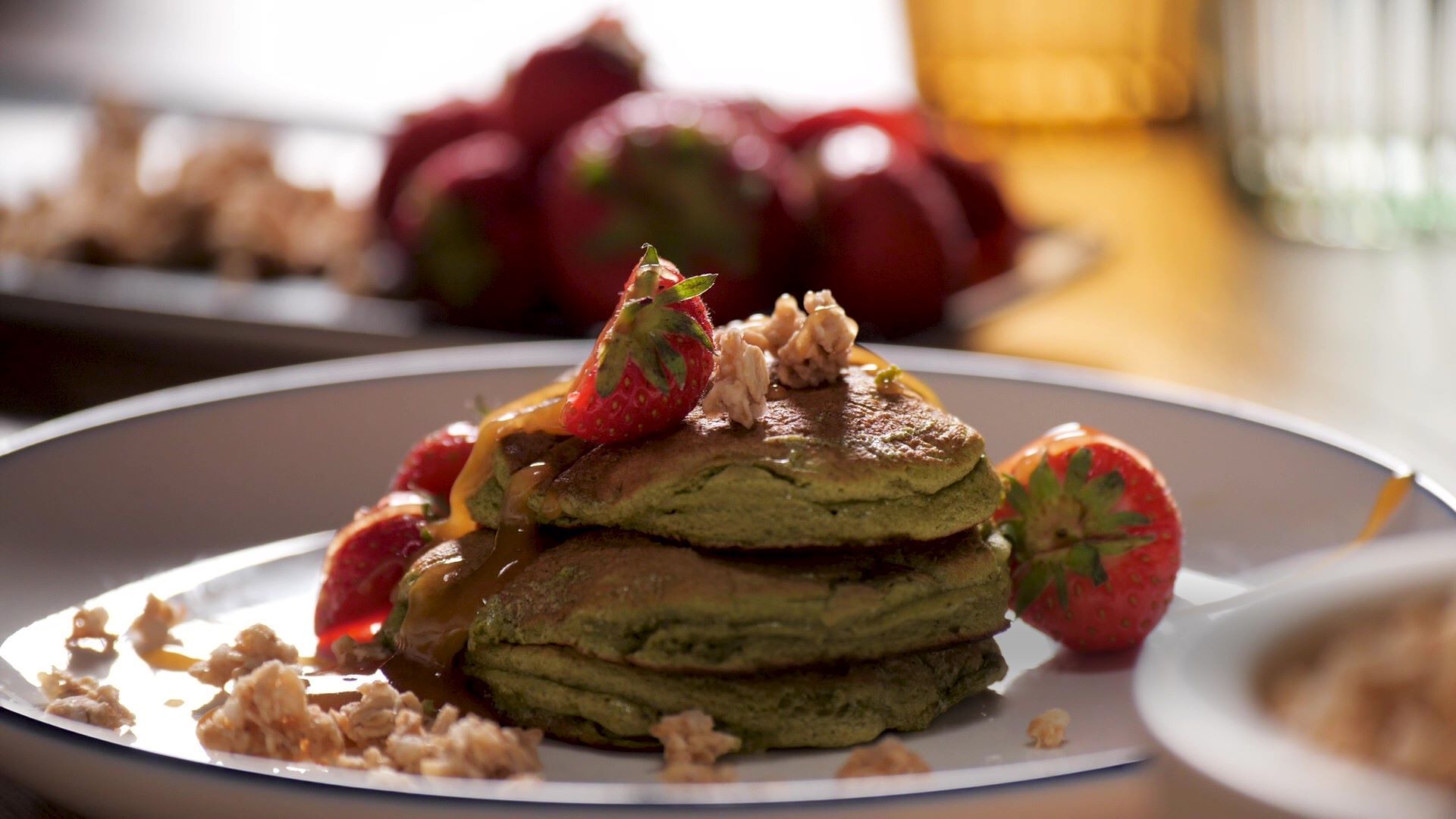
Matcha pancake topped with strawberries, honey, white chocolate, etc. This is a dish where the charm of matcha can be enjoyed not as a drink but as a dessert.
 Cooking time
1 hour
Ingredient 4 servings
- Egg 4U
- Milk 30ml
- Matcha powder 10g
- Milk (for dissolving matcha powder) 10ml
- Flour 80g
- Baking powder 5g
- Sugar 40g
- Salt 0.2g
- Butter 15g
For toppings
- Strawberry 100g
- Granola 100g
- White chocolate 200g
- Honey 200g
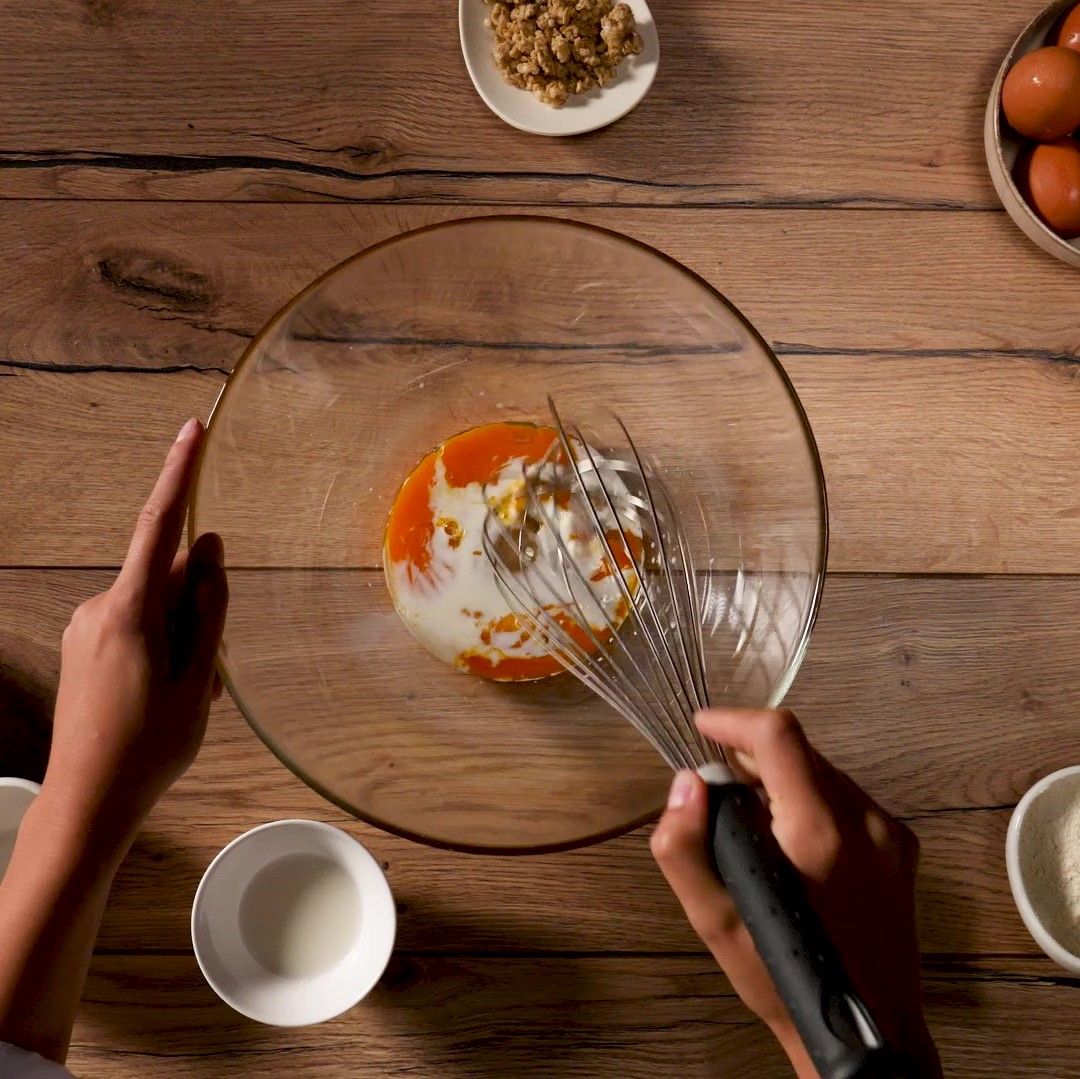
Separate egg yolks and egg whites, then beat the egg yolks and gradually add 30ml of milk.
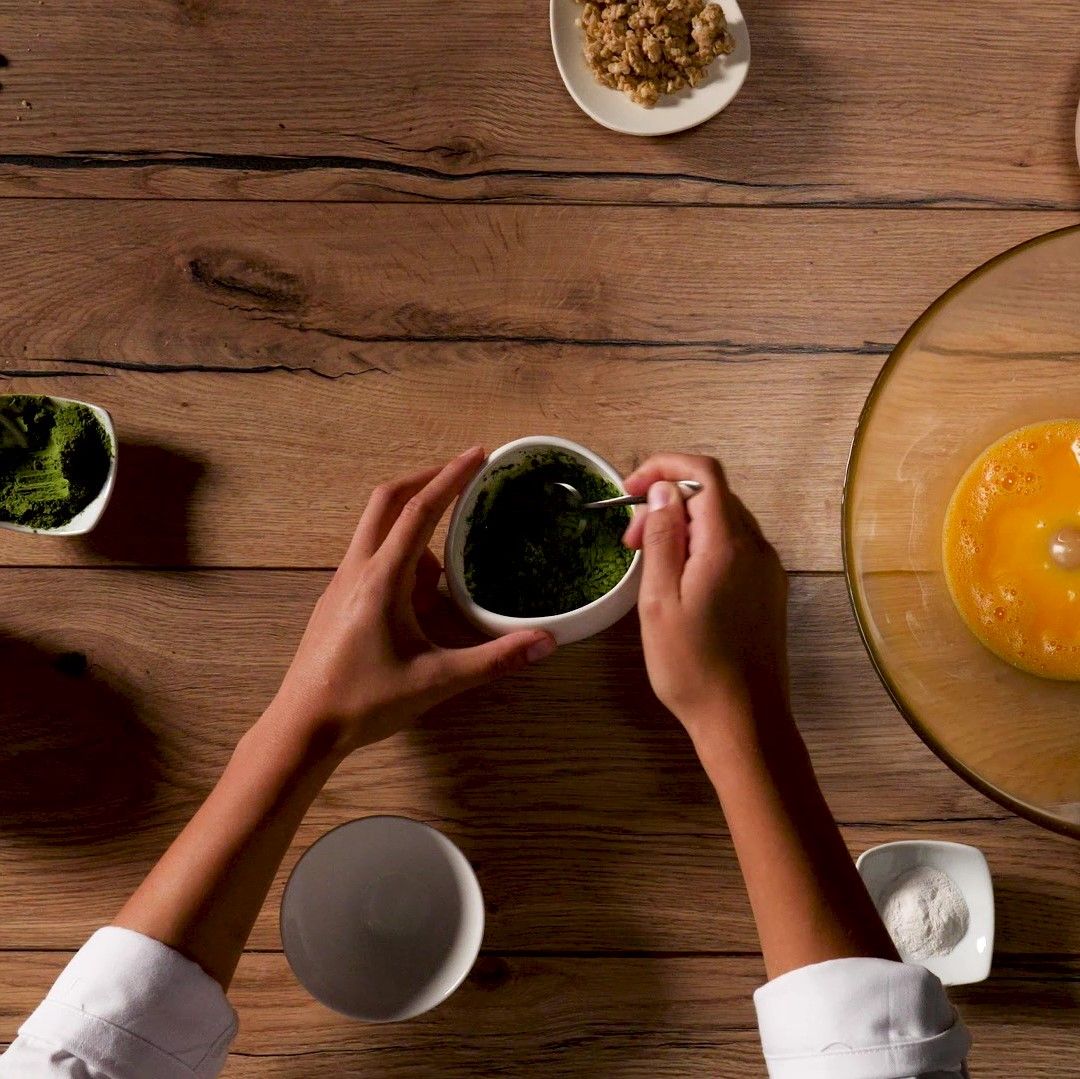
In a bowl, heat the 10ml of milk in a microwave, then mix with the matcha tea until the tea is completely dissolved
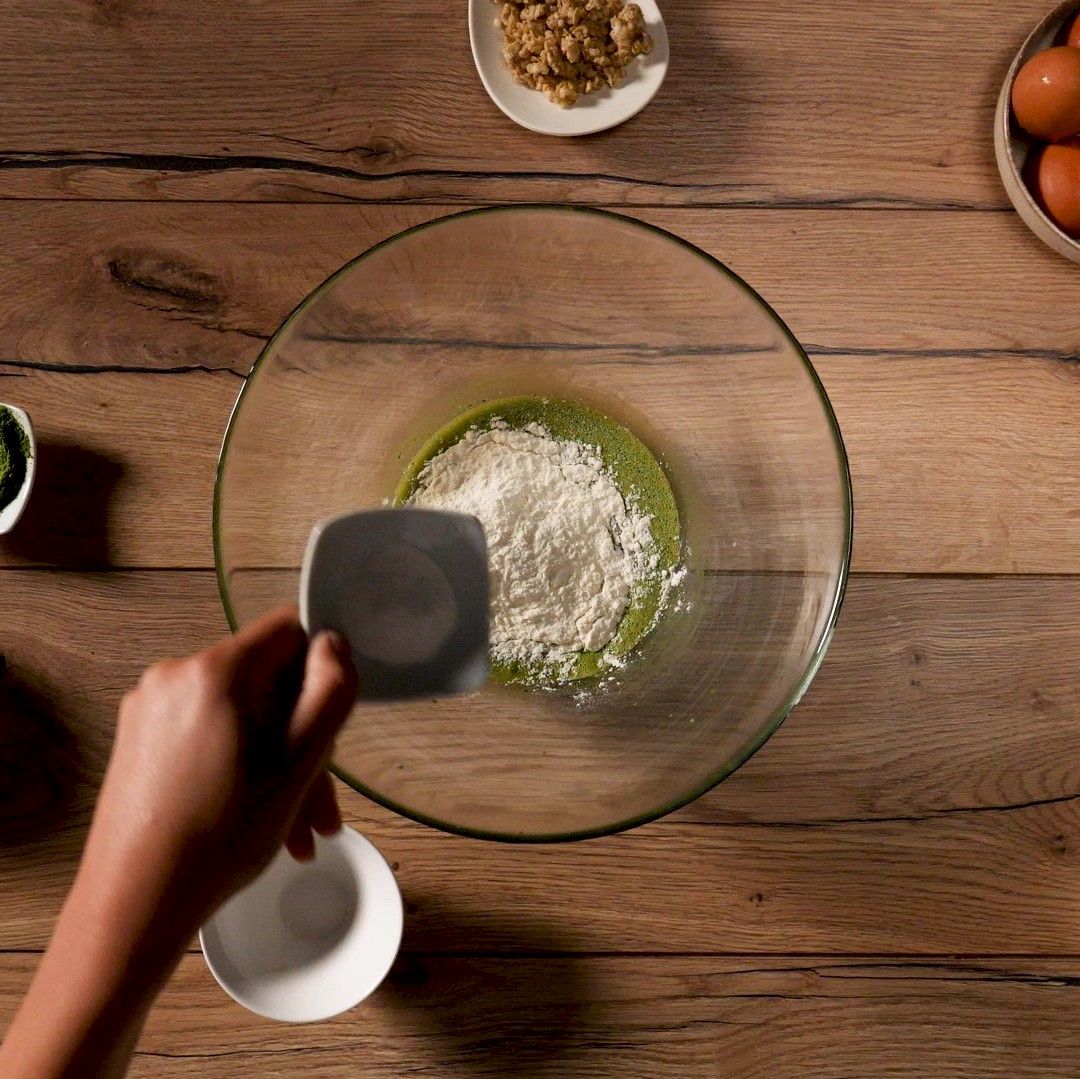
Add the dissolved matcha to the previous mass, then put flour with baking powder and salt.
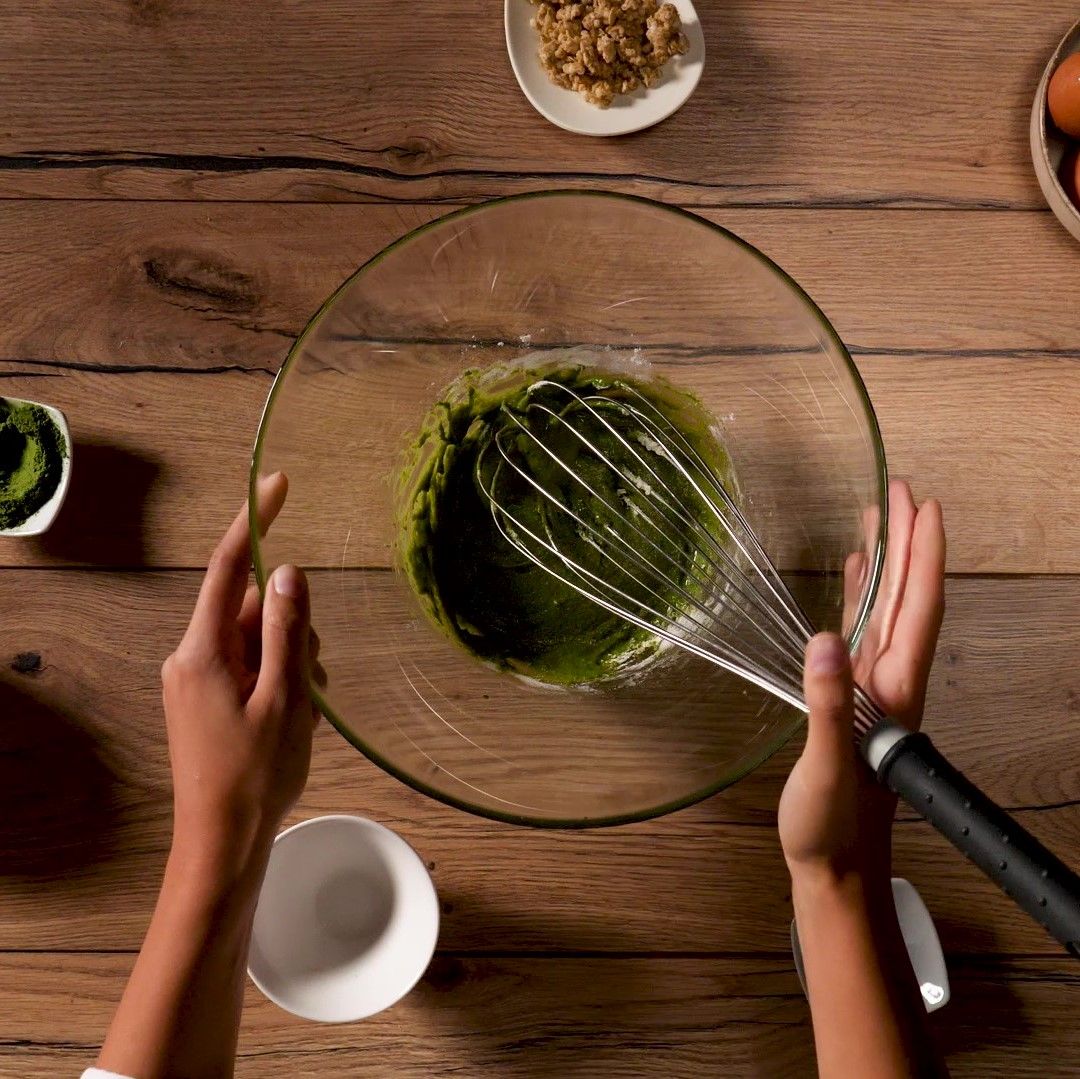
Mix the flour to the previous mass with a rod until a homogeneous mass
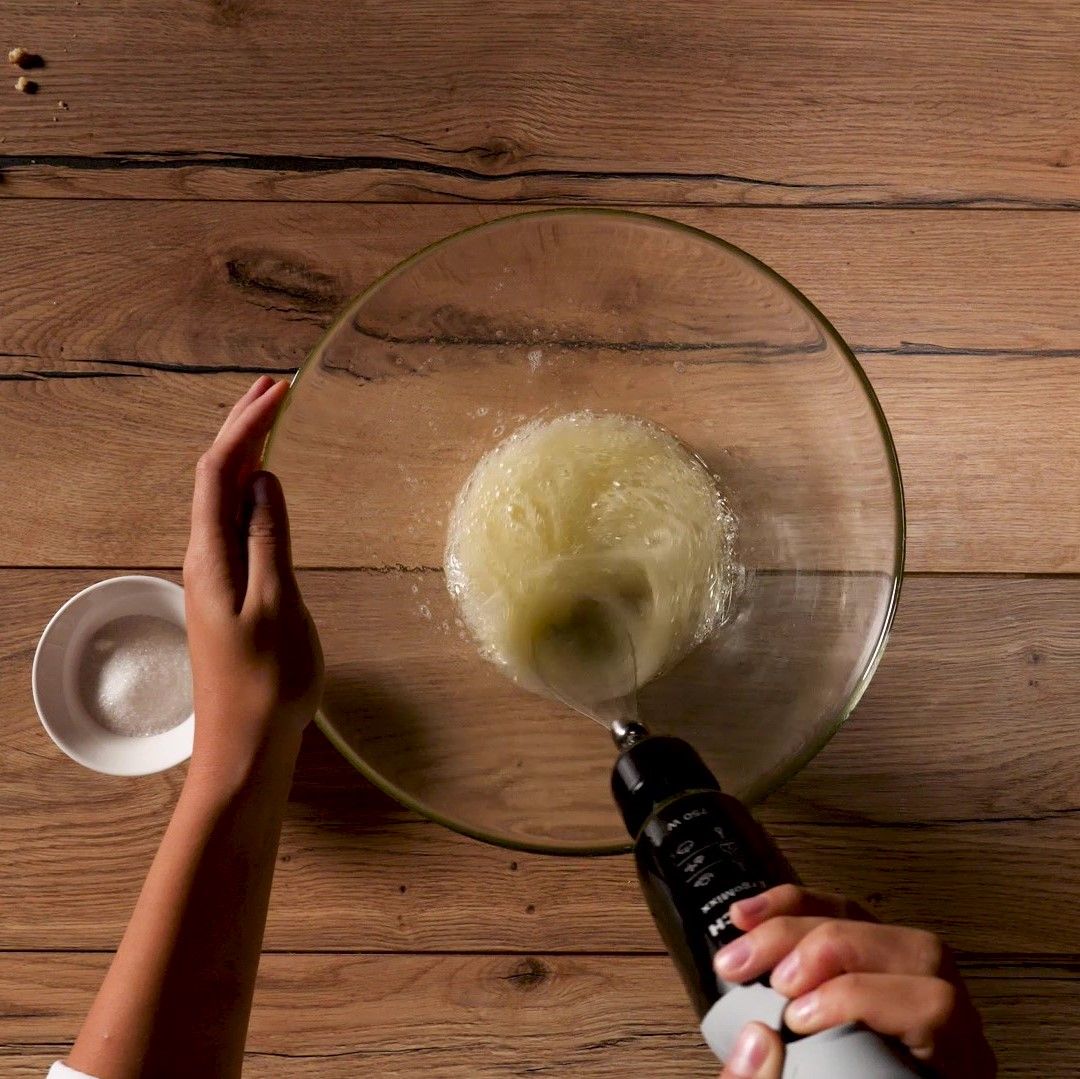
Beat egg whites until firm peaks, then add sugar and continue beating 2 minutes more
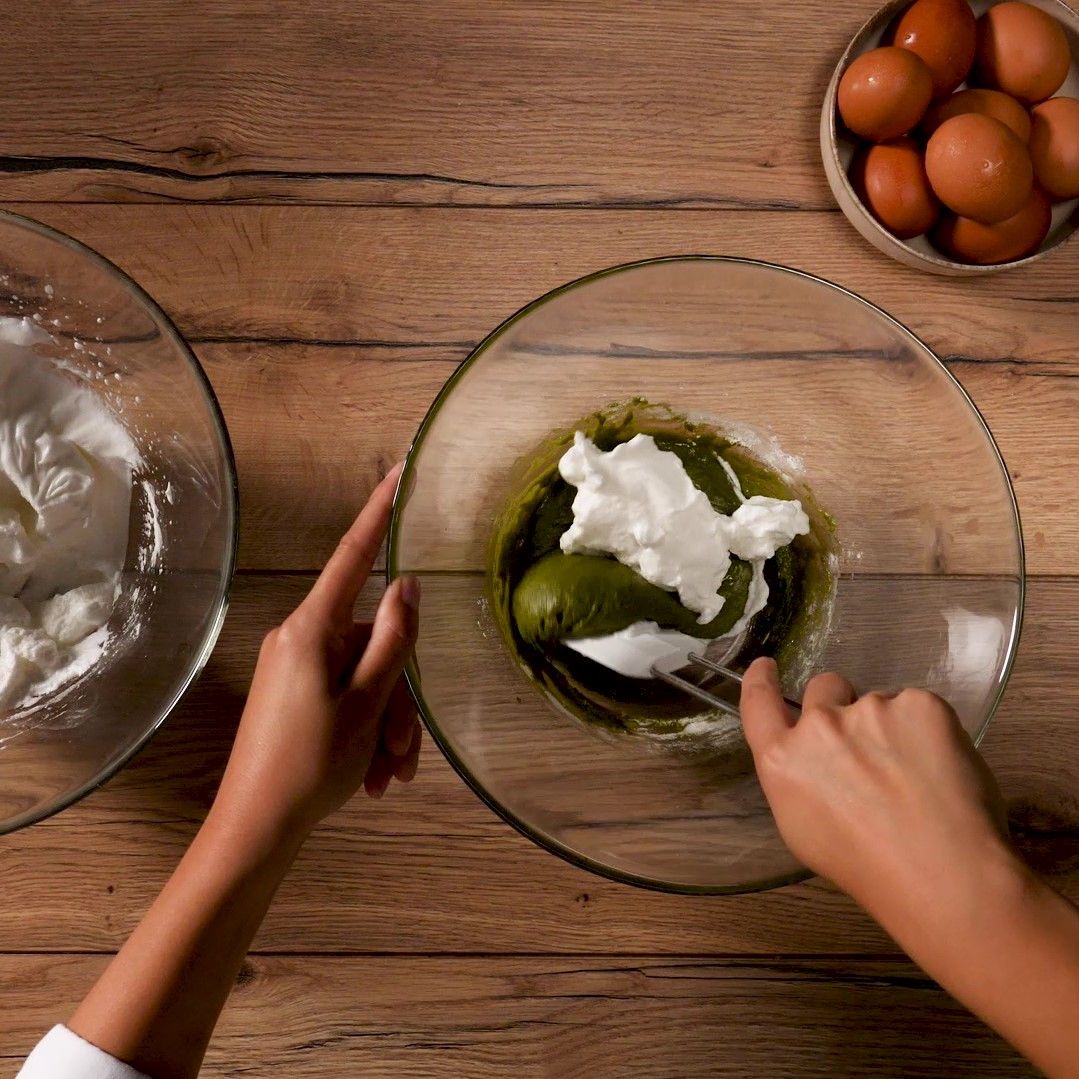
Mix the egg whites with the previous mass in 3 times, with envolving movements
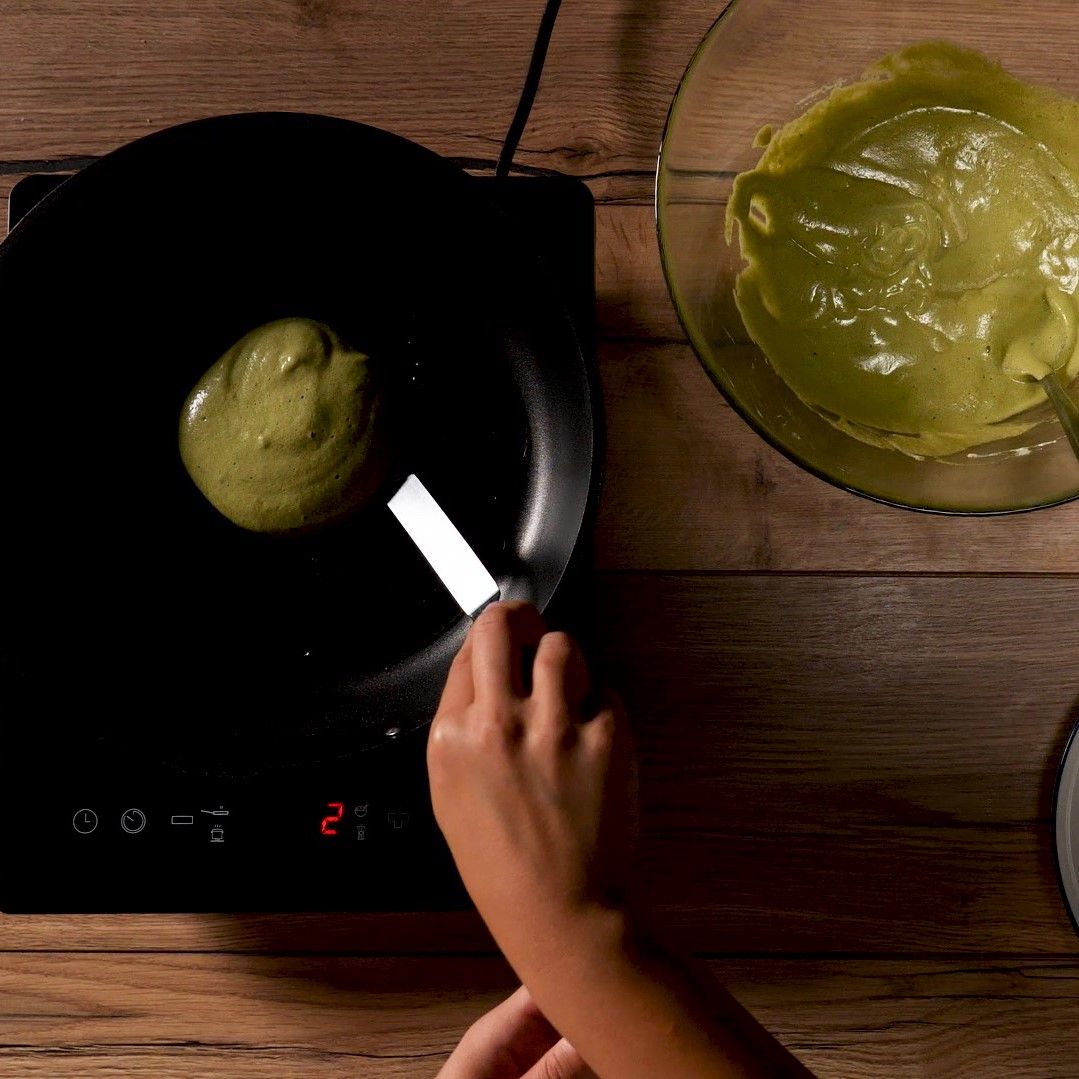
Cook the dough in a hot pan until they’re done
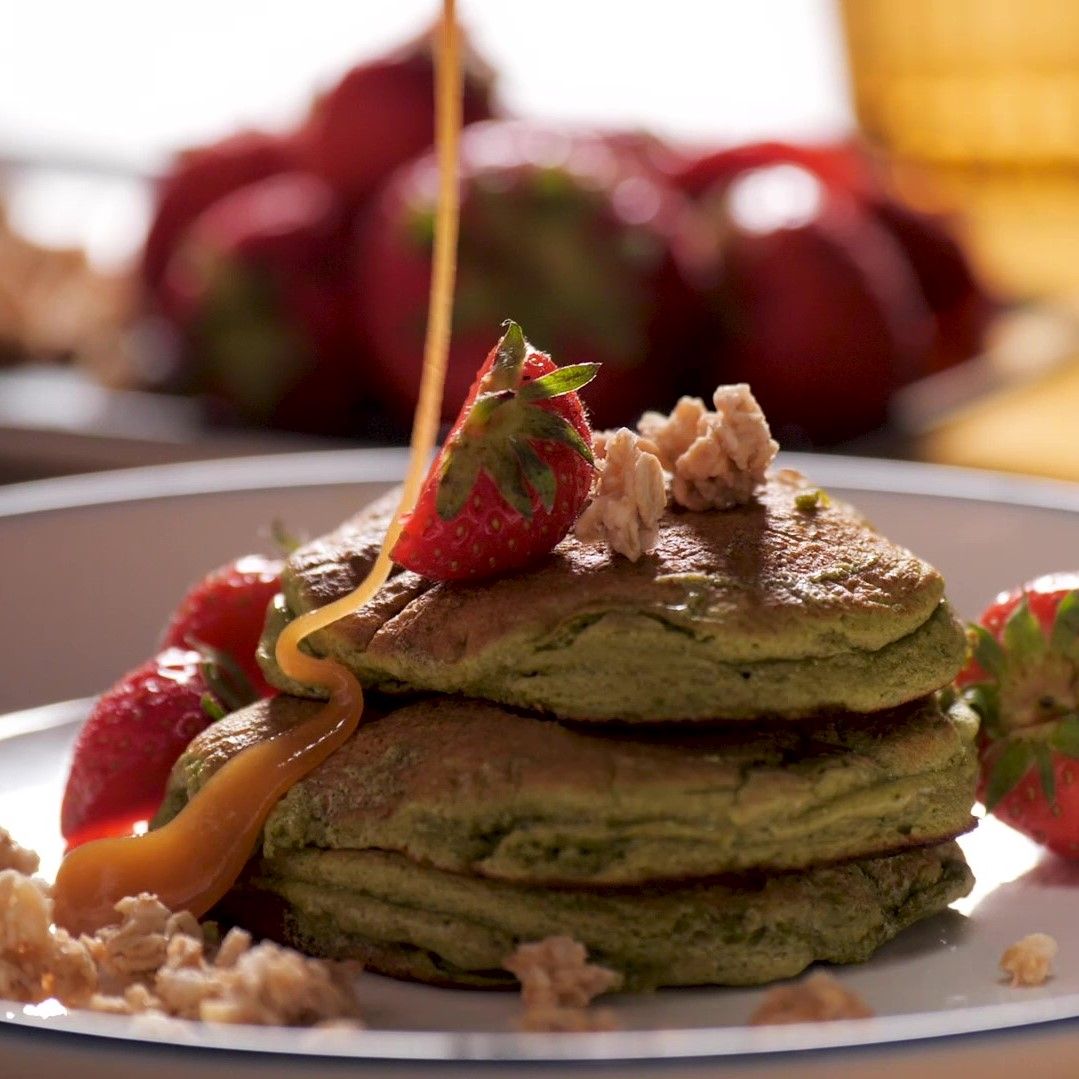
Add strawberries, granolas, white chocolates and honey as topping on the pancakes.
Basque Culinary Center
[Official Website]
https://www.bculinary.com/es/home
Basque Culinary Center represents a unique ecosystem where training, innovation, research and entrepreneurship coexist with the aim of developing and propelling gastronomy, which is understood as reasoned knowledge about what and how we eat. Our mission is rooted in values such as passion, innovation, excellence and social commitment. Located in San Sebastian since September 2011, Basque Culinary Center is a pioneer institution conformed by the Faculty of Gastronomic Sciences, and the Centre for Research and Innovation in the field of gastronomy; BCC Innovation researches and innovates in product design, offers various services to companies, new entrepreneurs and young people with significant projects.