


Perfecting the Pan-Seared Steak with Bright Chimichurri Sauce
The ultimate culinary luxury meets vibrant, herbaceous tradition. Pairing authentic Japanese Wagyu with an Argentine-inspired chimichurri sauce might seem unconventional at first glance, but it is a masterclass in flavor balance. When investing in the absolute pinnacle of premium beef, understanding how to complement its profound richness is essential. Whether you are hosting a celebratory dinner or expanding your culinary repertoire at home, this guide will show you how to honor one of Japan's most extraordinary ingredients while unlocking a pairing that makes its flavor sing.
The Logic Behind the Pairing
This dish features a premium cut of Japanese Wagyu beef, served rare or medium-rare, alongside a refreshing uncooked sauce made from parsley, cilantro, garlic, vinegar, and olive oil.
Authentic A5 Japanese Wagyu is one of the few ingredients in the world that functions as much as a cultural artifact as it does a cut of meat, the product of centuries of closed-loop refinement and a grading system with no equal. For a full breakdown of its provenance, regional varieties, and the BMS grading scale, refer to the Japan Meat Grading Association standards and our complete Wagyu guide .
What matters most for this recipe is what happens when A5 hits heat. The fine-grained intramuscular sashi fat renders at just 30°C (86°F), releasing a sweet fragrance with notes of peach and coconut entirely absent in crossbred varieties. It is this quality that makes portion size and sauce pairing so critical. Because the richness is so concentrated, the palate saturates quickly and the nuance gets lost.
This is where the chimichurri earns its place, and not just as a flavor contrast. The acetic acid in the vinegar acts as a chemical cleanser, stripping the thin layer of rendered sashi from the tongue between bites and fully resetting the palate. The result is that the first bite's sweetness remains as vivid as the last. The raw garlic and fresh herbs reinforce this with a sharp, green contrast that makes the beef's richness more pronounced by comparison rather than less. Far from overpowering the Wagyu, a well-made chimichurri makes you taste it more clearly.
Sourcing the Right Beef for This Recipe
When sourcing ingredients, the distinction between Japanese, American, and Australian Wagyu matters considerably, as it completely dictates your cooking technique and your expectations.
Consumers shopping internationally will encounter American and Australian Wagyu hybrids, typically crossed with heartier local breeds like Angus. These produce a firmer, beefier texture well suited to high-heat grilling, but the coarser marbling cannot replicate the fine-grained intramuscular fat that defines authentic Japanese A5. More practically, hybrid beef behaves differently in the pan: it tolerates longer cooking times and higher heat. Authentic Japanese A5, by contrast, cooks roughly 30% faster, and its low-melting-point fat behaves almost like a fuel on an open flame. On a barbecue, rendered fat drips and causes flare-ups that char the outside long before the center has a chance to warm. For this recipe, a heavy cast-iron skillet is non-negotiable. It captures the rendered fat, maintains an even sear, and gives you the control this extraordinary ingredient demands.
Always request the grading certificate from your butcher or supplier. Authentic A5 Japanese Wagyu carries official documentation from the Japan Meat Grading Association, and any reputable retailer should provide it without hesitation. Look for the Universal Wagyu Mark and grading certificate. A ribeye or striploin works particularly well here, as the fat distribution in both cuts suits the rapid sear and holds up well when sliced and plated with sauce.
The First-Timer's Biggest Mistake
When purchasing authentic A5 Japanese Wagyu, most first-time buyers make the same error: they buy too much.
The beef is so intensely marbled that standard steak portion logic does not apply. For a main course like this, 3 to 4 ounces per person is plenty. If serving as part of a multi-course tasting menu or as a sharing appetizer, 1 to 2 ounces per person is genuinely sufficient. A single pound of A5 can comfortably serve four to six people as a main, or up to ten as a shared experience. This is not a cost-cutting measure; it is simply how the beef is meant to be eaten. Smaller portions let the richness register fully without tipping into excess, and the chimichurri fills out the plate beautifully alongside good bread or simply dressed greens.
Portioning the meat into strips before plating rather than serving as a whole steak also makes a practical difference. It maximizes the surface area that receives the chimichurri, ensures the flake salt hits every piece evenly, and makes the dish feel considered rather than simply expensive.
Chef's Tip: Make your chimichurri at least one hour before cooking to allow the garlic and vinegar to macerate the herbs. Don't push beyond four hours, though. You want a vibrant, green snap to contrast the pristine white fat of the steak, not a dull, oxidized sauce that has lost its edge.
Wagyu is not simply a premium ingredient: it is the product of centuries of Japanese agricultural dedication, closed-loop genetic refinement, and a cultural philosophy that treats quality as non-negotiable. Every A5 cut carries that lineage with it, from the mountain pastures of Hyogo to the dining tables of London, New York, and beyond. When you source authenticated Japanese Wagyu and take the time to understand how to cook and pair it correctly, you are not just preparing a steak. You are participating in one of Japan's most extraordinary culinary traditions, and with the bright, clean contrast of a well-made chimichurri, you are giving that tradition a stage on which it can truly shine.
Recipe
Wagyu beef steak served rare with chimichurri sauce made from garlic, parsley, chili peppers, etc. The refreshing chimichurri sauce reduces the steak's fatty taste and prevents it from getting too greasy.
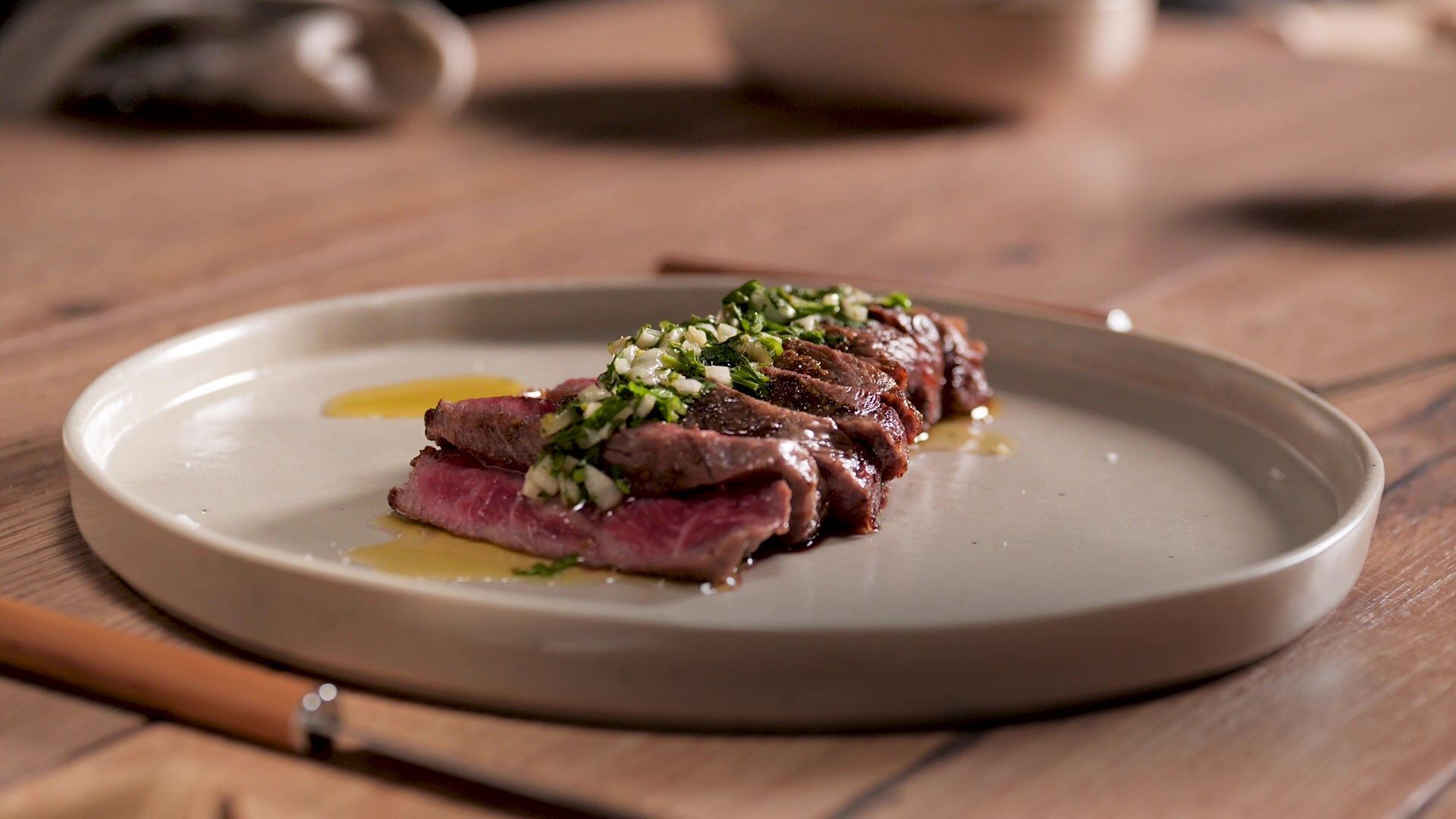
 Cooking time
45 minutes
Ingredient
- Wagyu steak 600g
- Olive oil 15ml
- Salt to taste
- Black pepper powder to taste
- Flake salt to taste
For chimichurri sauce
- Garlic 3 cloves
- Dried oregano 30g
- Black pepper powder 5g
- Olive oil 150ml
- Cayenne powder 10g
- Parsley 50g
- Cilantro 150g
- Vinegar 30ml
- Spring onion 100g
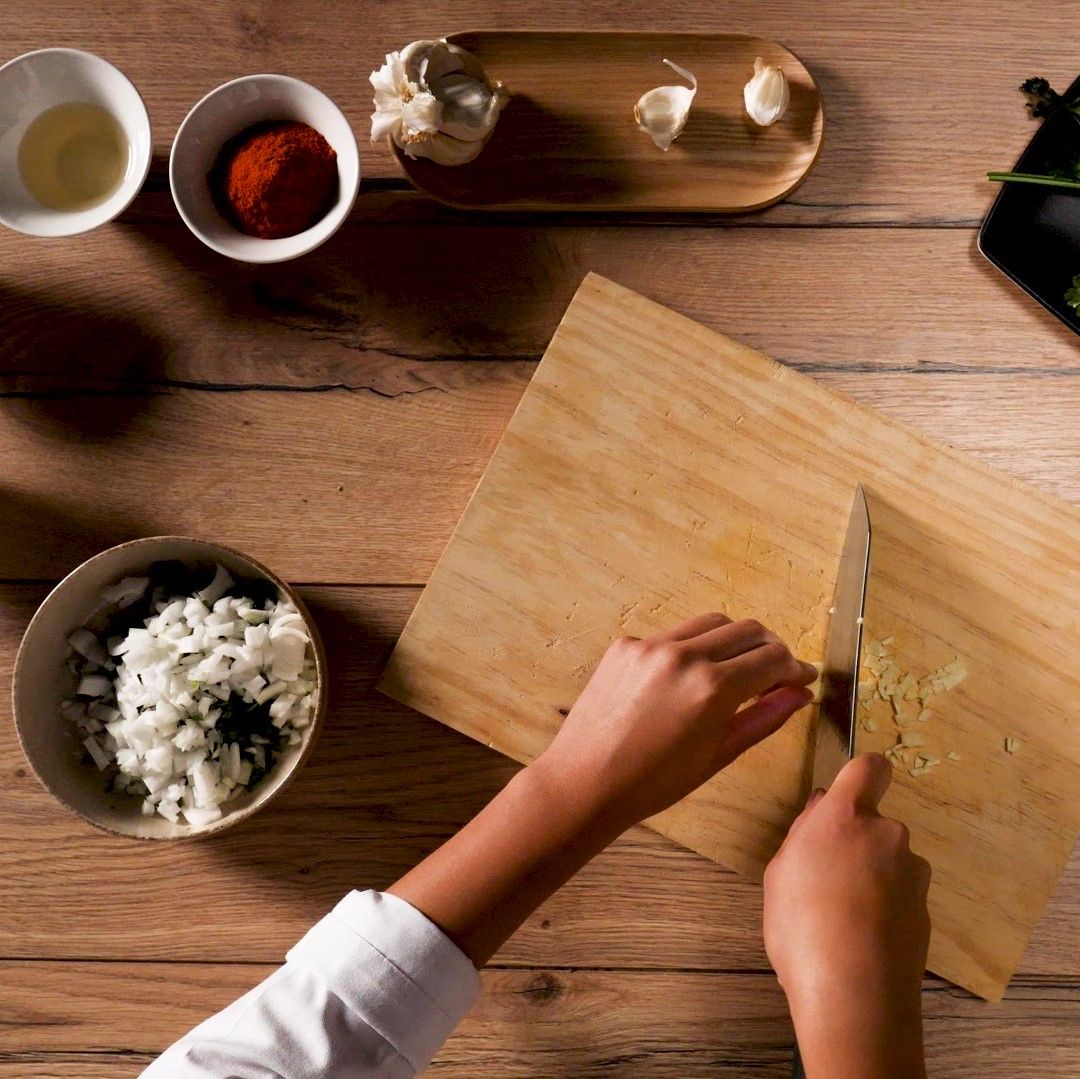
Chop garlic, parsley, cayenne, cilantro and the spring onion
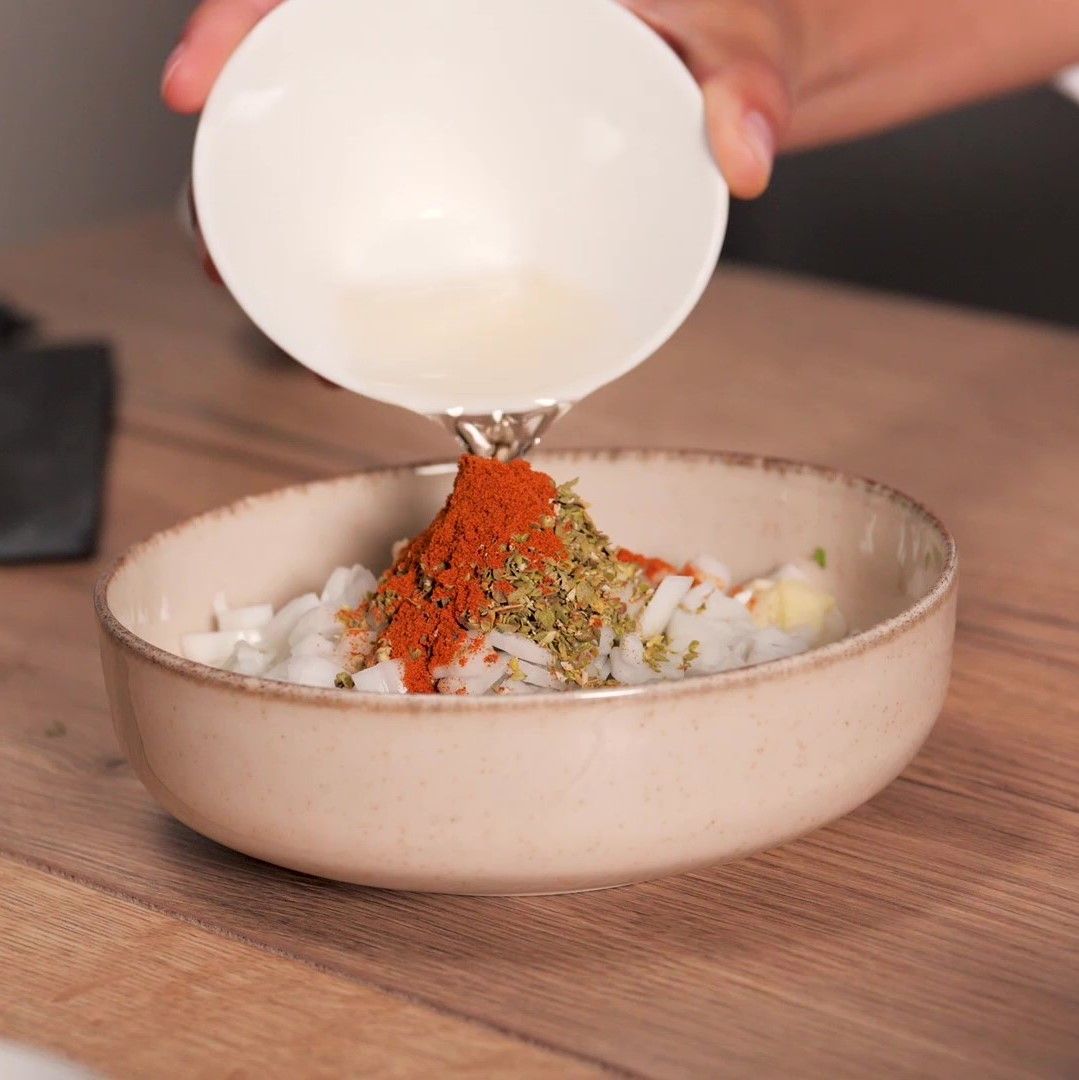
Put them on a bowl and mix with the olive oil, vinegar and pepper
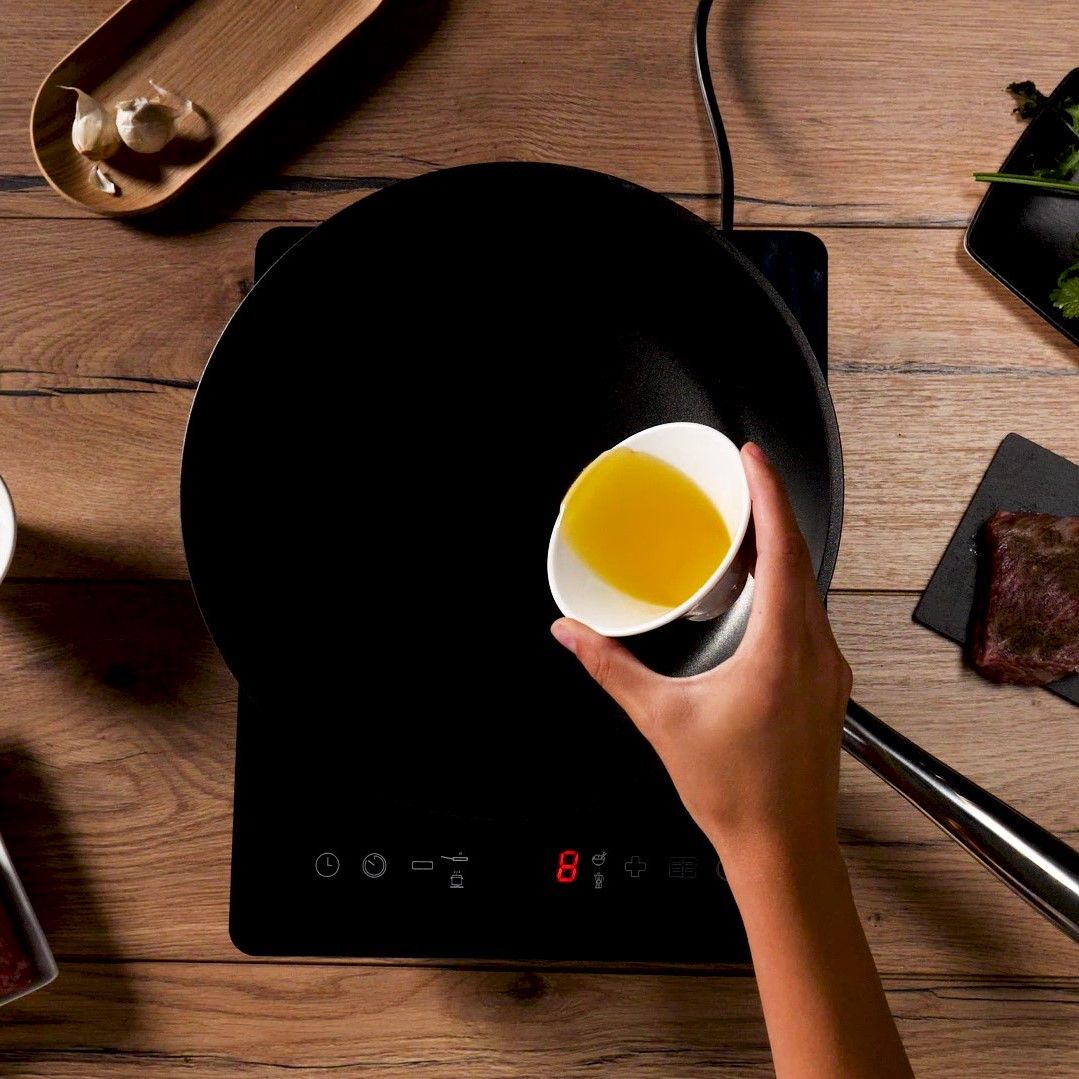
Heat a pan with oil
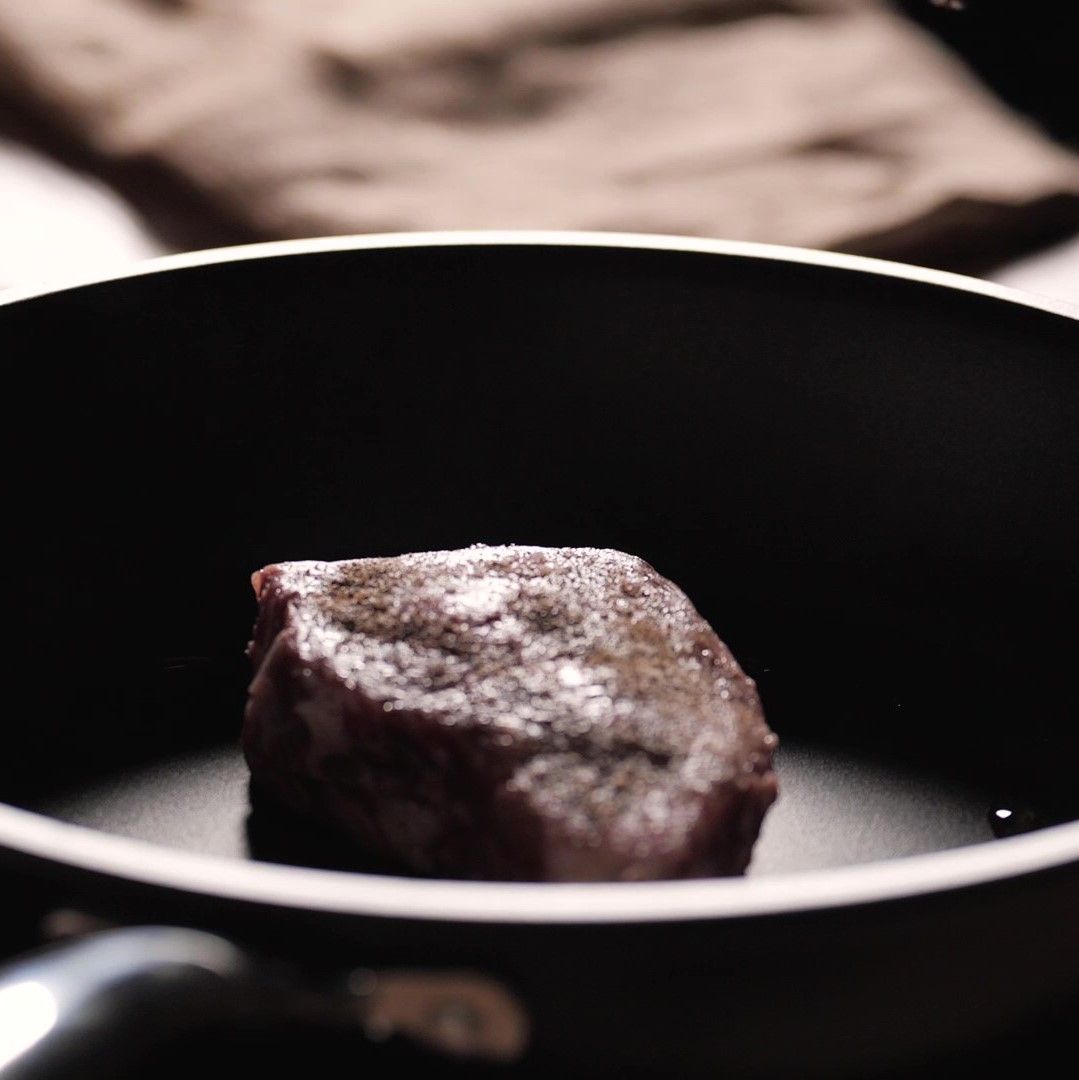
When it is very hot, place the wagyu seasoned with salt and pepper. Cook meat for 2-3 minutes on each side.
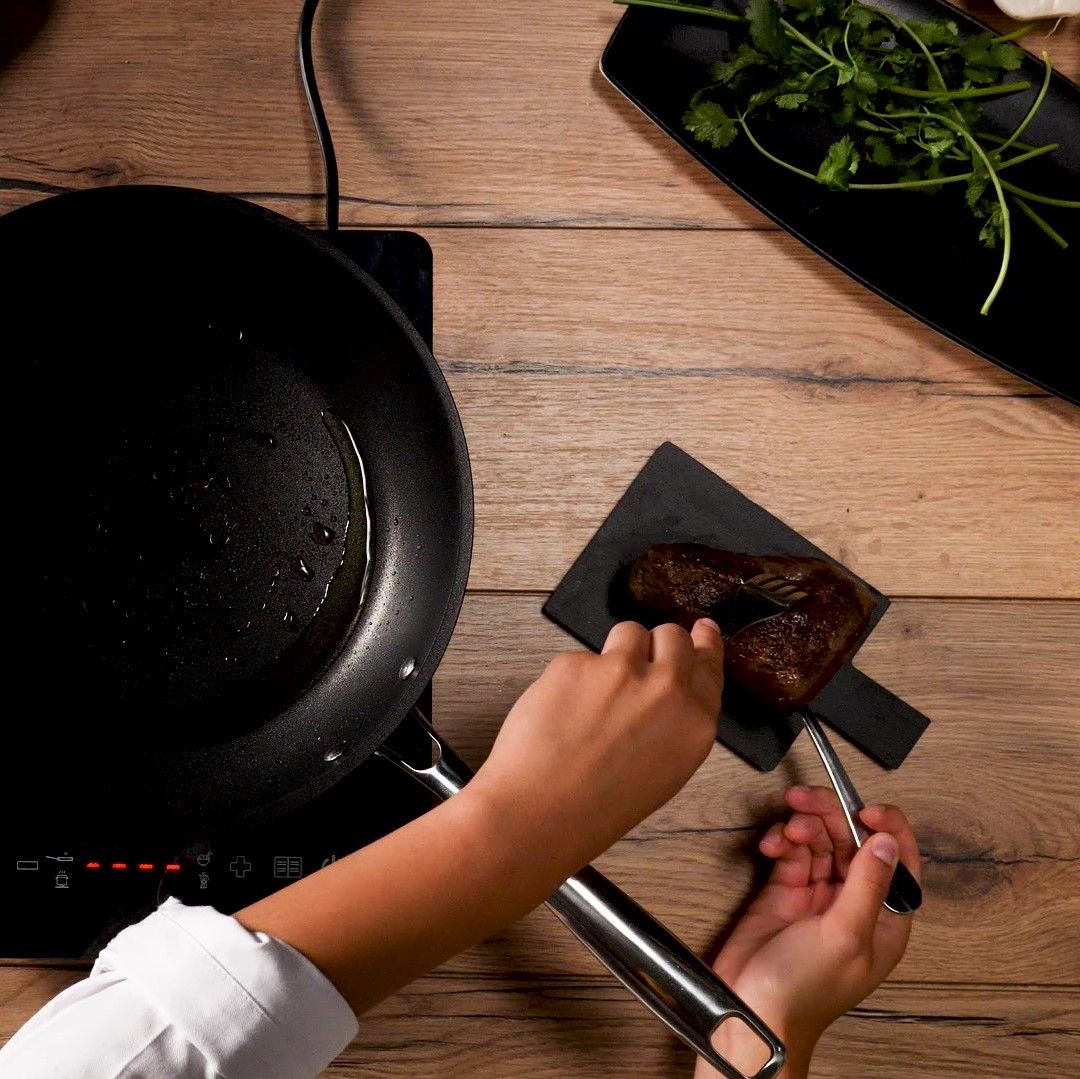
Let stand 5 minutes
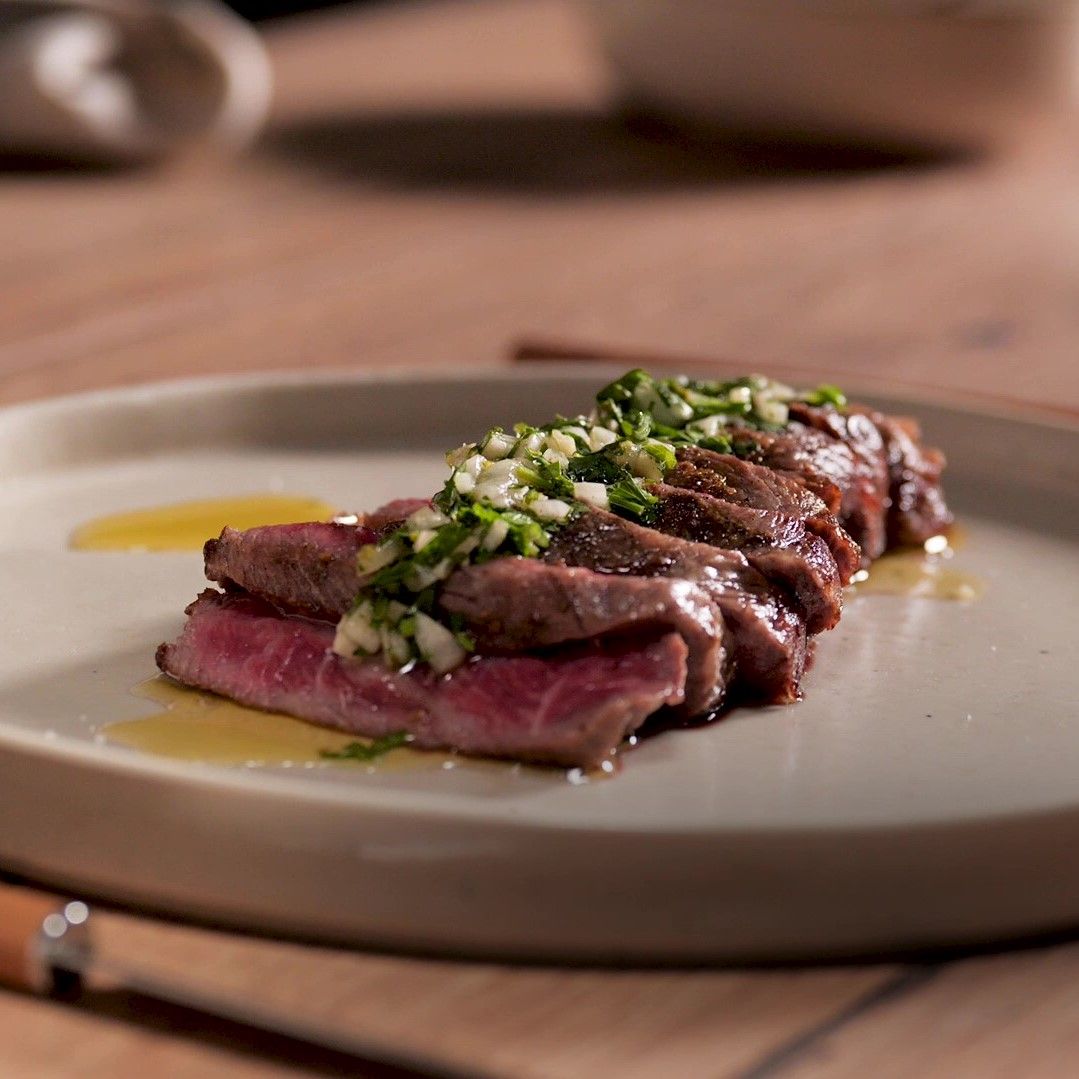
Slice the meat, sprinkle the fork salt and pour the sauce.

Basque Culinary Center
[Official Website]
https://www.bculinary.com/es/home
Basque Culinary Center represents a unique ecosystem where training, innovation, research and entrepreneurship coexist with the aim of developing and propelling gastronomy, which is understood as reasoned knowledge about what and how we eat. Our mission is rooted in values such as passion, innovation, excellence and social commitment. Located in San Sebastian since September 2011, Basque Culinary Center is a pioneer institution conformed by the Faculty of Gastronomic Sciences, and the Centre for Research and Innovation in the field of gastronomy; BCC Innovation researches and innovates in product design, offers various services to companies, new entrepreneurs and young people with significant projects.