


Sake Food Sensations
Showcasing the versatility of Sake
Sake is a highly versatile and food-friendly drink that goes exceptionally well with a range of modern European cuisines.
This February, some of the finest restaurants in London are joining forces to celebrate its food-pairing versatility, offering diners an opportunity to enjoy a glass of Sake alongside contemporary, non-Japanese dishes.
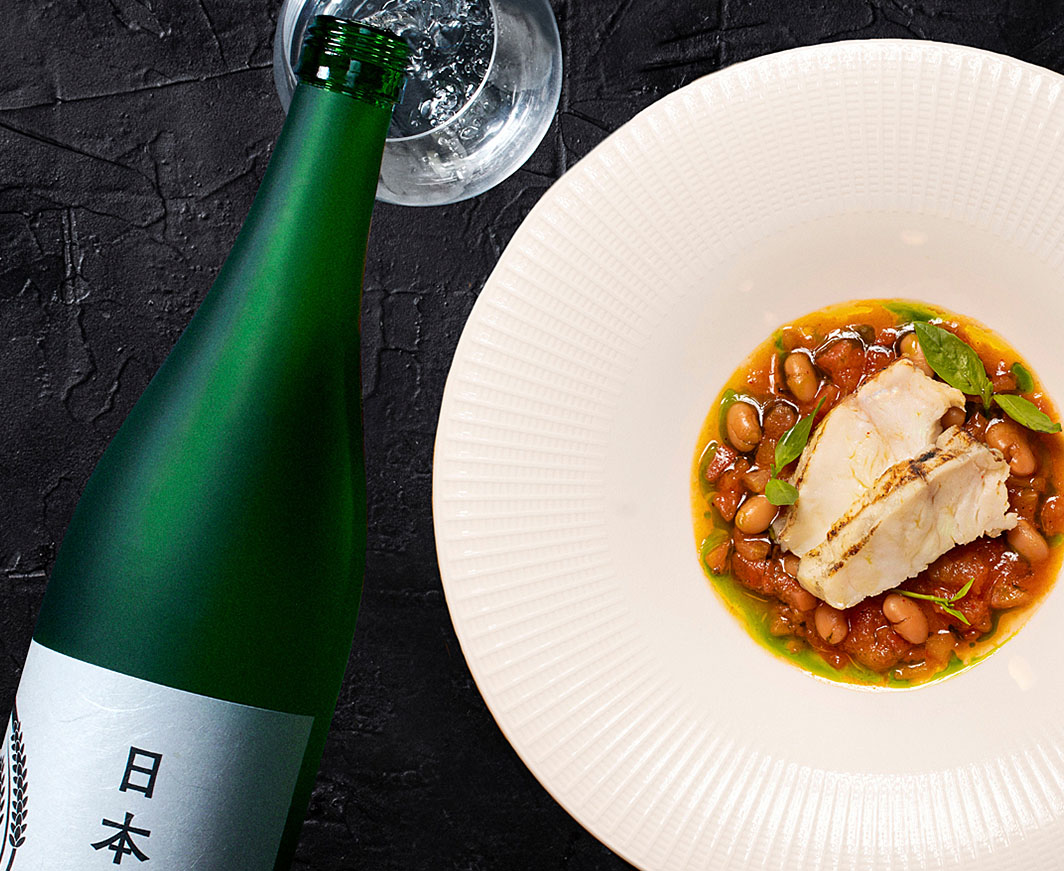
Under the Sake Food Sensations banner, a curated selection of top-quality restaurants will offer exclusive pairing menus that showcase Sake’s extraordinary versatility. Each specially created dish will be matched with a carefully chosen Sake to highlight its compatibility with modern European cuisines, reframing Japanese Sake in a contemporary dining context.
Participating restaurants will offer their special pairing menus for at least two weeks in February, and some for the whole month. This provides a wonderful opportunity to sample a number of different Sakes and indulge in some of the best food on offer in the capital!
The science behind Sake’s versatility
Produced by carefully polishing and fermenting sakamai rice, Sake has been brewed in Japan for over 2,000 years. Today’s brewers merge tradition and innovation to craft high quality, versatile Sakes that come in a range of styles and flavours.
Whereas wine draws on the sugars contained in grapes for fermentation, Sake brewers use koji mould to help convert the rice starch into sugar, which in turn produces alcohol. The koji mould also breaks down the rice protein into amino acids, creating a high umami factor in the Sake.
Often called the ‘fifth taste’ (alongside sweet, sour, bitter and salty), umami means ‘essence of deliciousness’ in Japanese. It is a savouriness that deepens flavour, which is one of the many reasons why Sake is so food-versatile.
In addition, and in contrast with many white wines, Sake has very low levels of iron and sulphur dioxide. It has no tannins either and is made using only the purest water, so you can be confident that its clean palate will work in perfect harmony with your food.
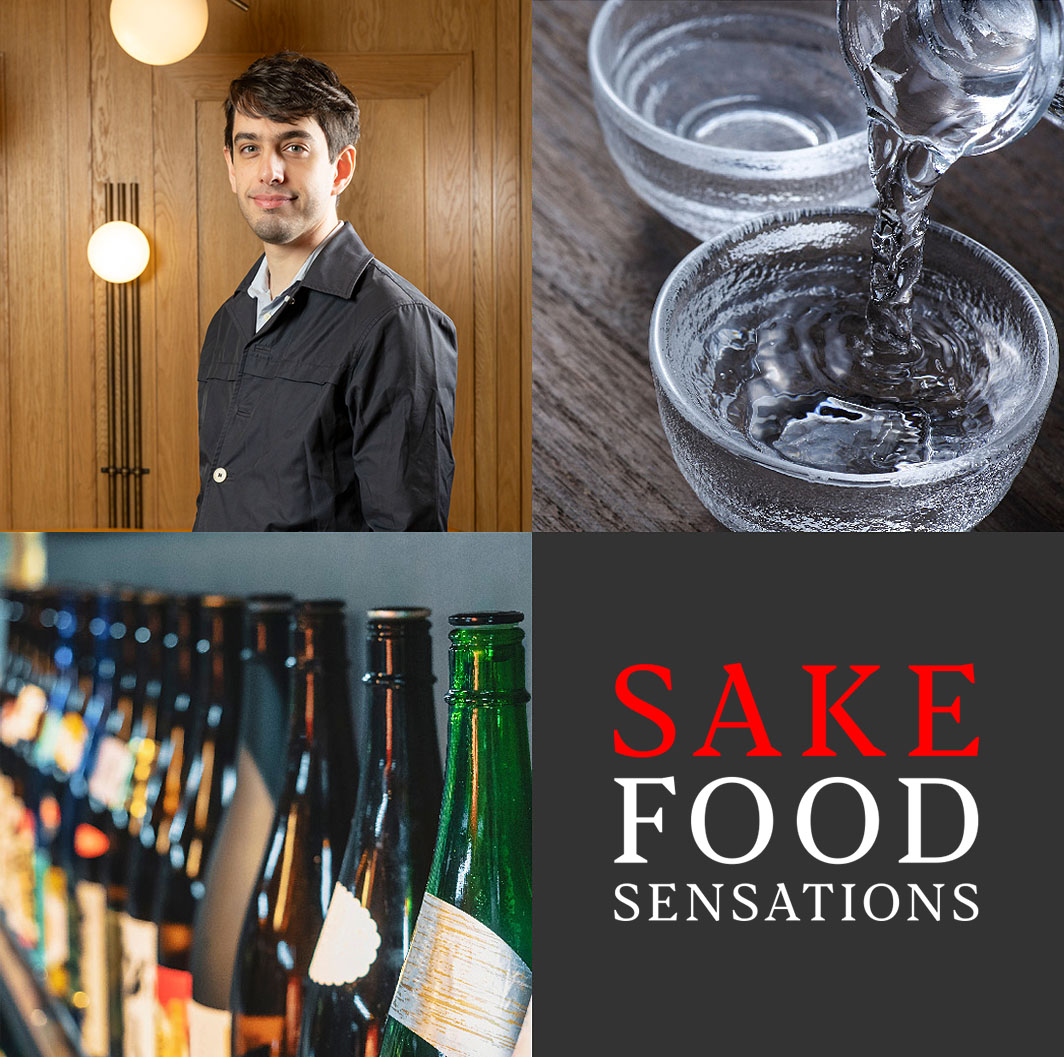
Sake expert Henry Thorogood (pictured right) says: “There is a saying in Japanese that ‘sake doesn’t fight with food’, and this rings true. Whereas wine is often used to refresh the palate, the lower acidity and much higher levels of umami in Japanese sake mean that it instead supports the dish – almost hugging the food, adding layers of flavour, and emphasising the deliciousness of the ingredients. Regardless of the cuisine, Japanese sake’s very structural makeup means there are relatively few risky food-and-sake pairings, but many truly wonderful combinations to be explored.”
Follow us on Instagram

Brought to you by JFOODO - the organisation responsible for promoting Japanese agricultural, forestry, fishery and food products – the Sake Food Sensations campaign aims to highlight the great versatility of Sake, and its compatibility with a range of modern European cuisines.
As Masaru Mizoguchi, Director at JFOODO, explains: “Through this February’s collaboration with some of London’s leading restaurants, we want to show how well Sake pairs with modern European dishes.
"Our hope is that this experience will inspire restaurants to keep Sake on their menus and help more diners discover its versatility long after the campaign ends.”
If you’re not already familiar with Sake, we hope the information on this site will guide you on your Sake discovery – or if you’re already a Sake lover, perhaps we can help you find a new favourite brewery or explore a different style.